High Top Work Boots for Men | Sureway
Nov 17,2026 | Nancy Sureway
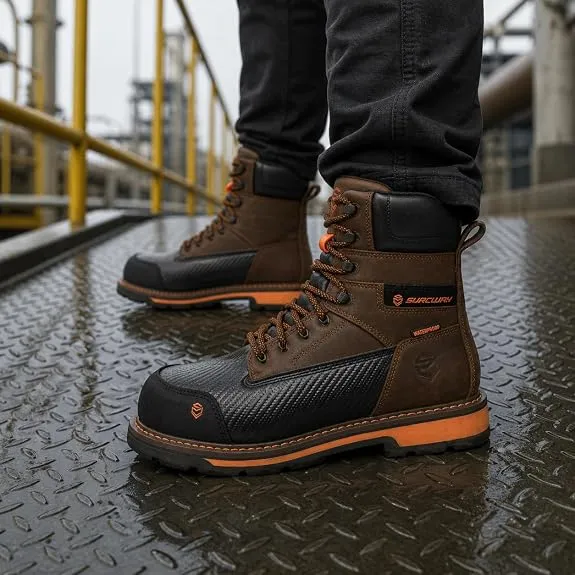
Shaft height is one of the most important decisions when choosing work boots. It directly affects ankle support, shin coverage, waterproofing, and debris protection. High top work boots — those with an 8-inch or 10-inch shaft — wrap the ankle and extend up the lower calf, offering far greater protection than low-cut styles. The trade-off is added weight and a longer break-in period.
What Is a High Top Work Boot?
High Top vs. 8-Inch vs. Tall Work Boots Terminology
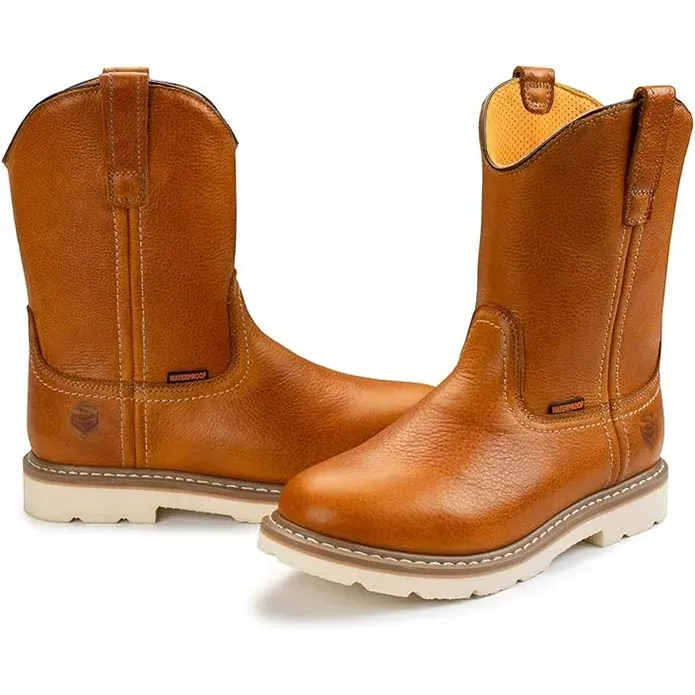
The terms "high top," "8-inch," and "tall work boots" are used interchangeably in the industry. All three describe boots with a shaft that wraps the ankle and rises up the lower leg. Logger boots also belong to this category.
Differences from Low-Cut (4–6 Inch) Boots
A taller shaft delivers more ankle stabilization, better shin protection, and a stronger barrier against mud, water, and debris. Low-cut boots (4–6 inches) are lighter and faster to break in, but they cannot match the coverage that high top work boots provide on rough terrain.
Safety Toe and Certification Consistency: ASTM and EH Standards
Shaft height does not limit your safety options. High top boots are available with steel toe, composite toe, or soft toe caps. All safety models can carry ASTM F2413 certification and EH (electrical hazard) ratings — no compromise on job-site compliance.
High Top Work Boots: Technical Specification Comparison
8-Inch Standard vs. 8-Inch Logger vs. 10-Inch Wellington
|
Feature |
8″ Standard |
8″ Logger |
10″ Wellington |
|
Shaft Height |
8 inches |
8 in. (lace-to-toe) |
10 inches |
|
Weight |
Medium |
Heavier |
Heaviest |
|
Ankle Support |
High |
Highest |
High |
|
Waterproof / Shin |
Optional |
WP + elevated heel |
Full-height WP |
|
Break-In Time |
Medium |
Slower |
Slow |
|
Safety Toe |
Soft / Composite / Steel |
Steel / Composite |
Steel (primary) |
|
Sureway Model |
Cross-Category Benchmark: 6-Inch Low-Cut Boots Reference
A 6-inch low-cut boot is the lightest and fastest to break in. It suits flat, indoor, or paved surfaces. It is not a substitute for high top boots on logging sites, muddy fields, or uneven terrain.
Which Job Needs a High Top Boot?
Logging, Ranching, Heavy Construction, and Muddy Terrains
|
Job / Environment |
High Top Best Choice? |
Key Reason |
|
Logging / Forestry |
Yes |
Shin guard, heel traction, debris barrier |
|
Ranch & Farm |
Yes |
Mud, water, and snake protection |
|
Construction / Heavy Duty |
Yes |
Ankle support + waterproof + safety toe |
|
Outdoor & Hiking |
Yes |
Ankle stability on rough terrain |
|
Mud & Wet Conditions |
Yes |
10-inch full-height waterproofing |
|
Warehouse / Driving |
No |
Low-cut is lighter and more flexible |
For the classic tall-shaft build, browse our safety toe logger boots collection.
The 8-Inch vs. 10-Inch Decision Framework
Rough terrain, logging, ranching, or heavy mud → choose an 8–10 inch high top. Flat hard floors, frequent squatting, or driving all day → a 4–6 inch low-cut is the smarter pick. Within high tops, the 8-inch shaft is the balanced choice; the 10-inch shaft is for the most demanding wet and heavy-duty conditions.
How to Choose a High Top Work Boot
Shaft Height Selection: 8-Inch Balance vs. 10-Inch Maximum Coverage
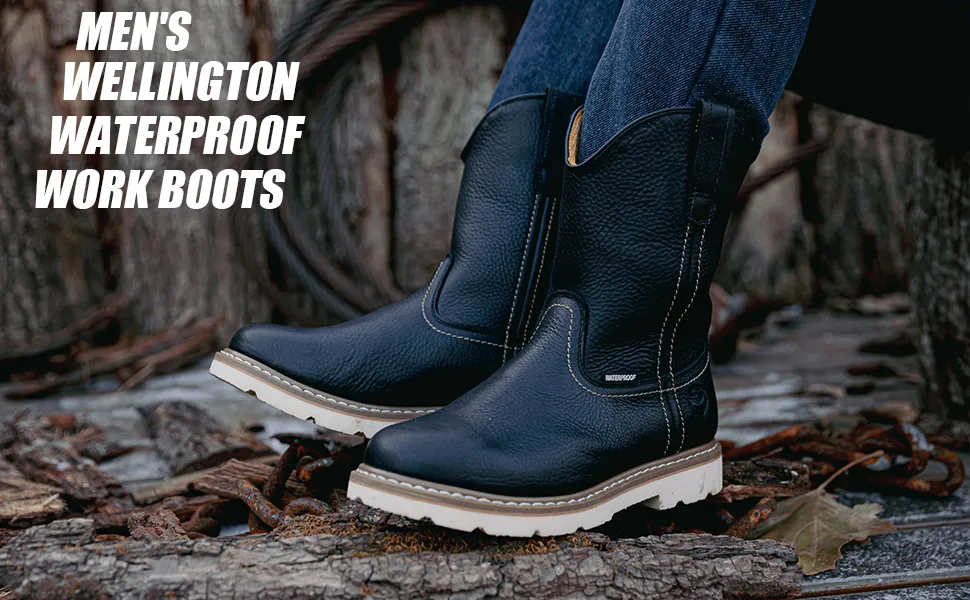
Pick an 8-inch shaft when you need ankle protection without sacrificing agility. Choose a 10-inch shaft when deep mud, standing water, or brush requires full shin coverage.
Safety Cap Options: Steel Toe, Composite Toe, or Soft Toe
When the job demands maximum toe protection, our steel toe work boots come in 8- and 10-inch tall shafts. For a lighter, non-metal option, the 8 inch composite boots service boot keeps tall-shaft protection metal-free. If your site has no mandatory toe-cap requirement, a soft toe model reduces weight further.
Waterproof Membranes, Insulation, and Sole Profiles
A waterproof membrane is essential for wet environments. Thinsulate insulation is the right add-on for cold-weather work. For slope work and logging, look for an elevated heel with aggressive lug traction. Oil-resistant outsoles suit workshop and construction floors.
Width Fit, Heavy Socks, and Break-In Management
High top boots use more leather and have more contact points, so break-in takes longer than with low-cut styles. Try boots on with the work socks you actually wear. Wide-fit options help if standard widths feel tight. Allow an adequate break-in period before wearing them on the most demanding shifts.
Frequently Asked Questions
Q1: What is considered a high top work boot? A high top work boot is any work boot designed with an 8-inch or taller shaft that wraps the ankle joint and extends up the lower calf; 8-inch and 10-inch shaft heights serve as the industry standards.
Q2: Are high top work boots safer than low tops? Both styles offer identical ASTM-certified toe protection options (steel, composite, or soft toe), but high tops provide significantly greater ankle stabilization, shin protection, and barrier defense against debris and water on rough terrains.
Q3: 8 inch vs 10 inch work boots — which should I choose? An 8-inch shaft provides an optimal balance between mobility and ankle protection, whereas a 10-inch boot delivers maximum coverage against deep mud, water, and brush, though it adds more weight and takes longer to break in.
Q4: Do high top boots take longer to break in? Yes, because they incorporate more leather along the ankle and lower calf, high top boots take longer to break in than low-cut boots; fitting with proper work socks and selecting the right width will help ease the process.
Q5: Are logger boots high top boots? Yes, logger boots are traditional high top boots (typically featuring an 8-inch shaft, lace-to-toe construction, and an elevated heel) designed to deliver maximum ankle support and heavy-duty traction.
Comment