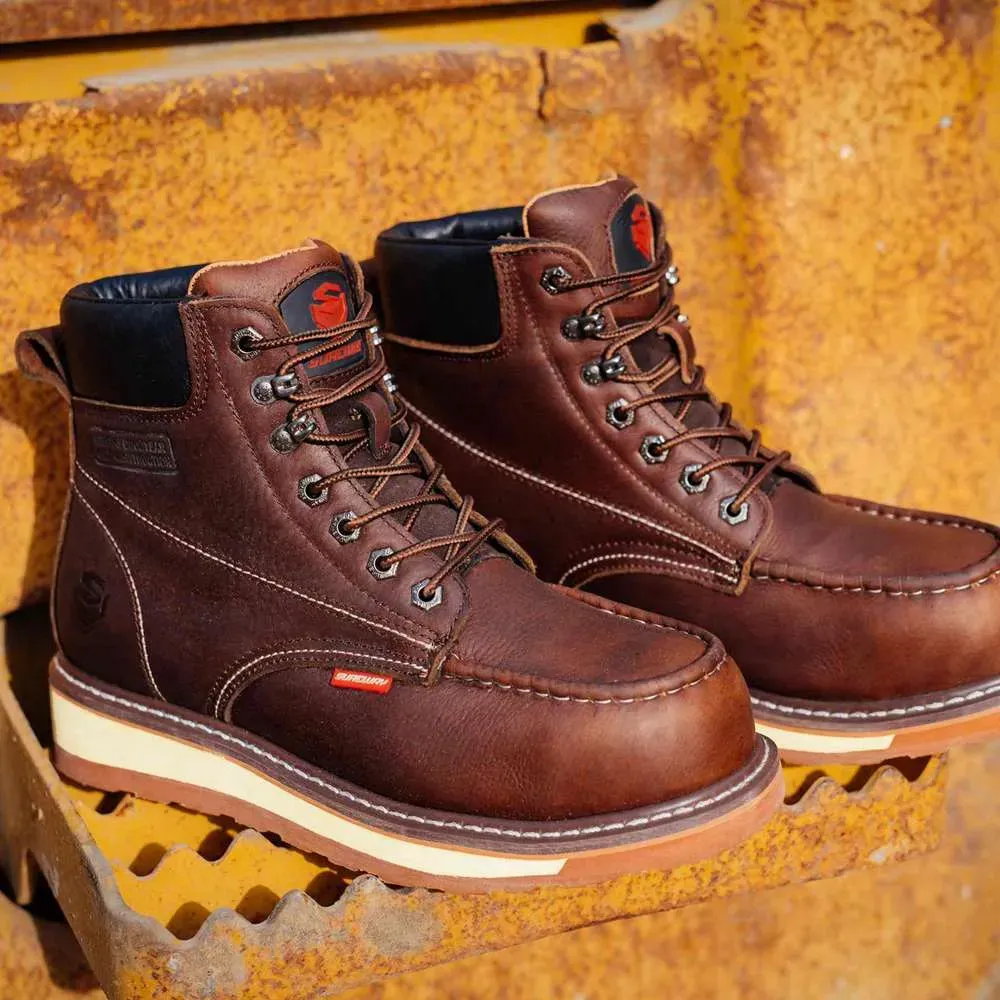
A Guide to Insulated Waterproof Work Boots
Nov 21,2026 | Nancy Sureway
Working outdoors in cold, wet conditions is more than uncomfortable — it is a genuine safety risk. Insulation alone cannot protect you once moisture soaks through; wet insulation loses most of its heat-trapping ability almost instantly. Waterproofing alone keeps water out but does nothing to hold warmth in. Insulated waterproof work boots solve both problems at once: an internal waterproof membrane seals out slush, snow, and standing water, while an insulating layer traps body heat so your feet stay warm through a full shift. Browse the full waterproof work boots collection for every job-site condition.
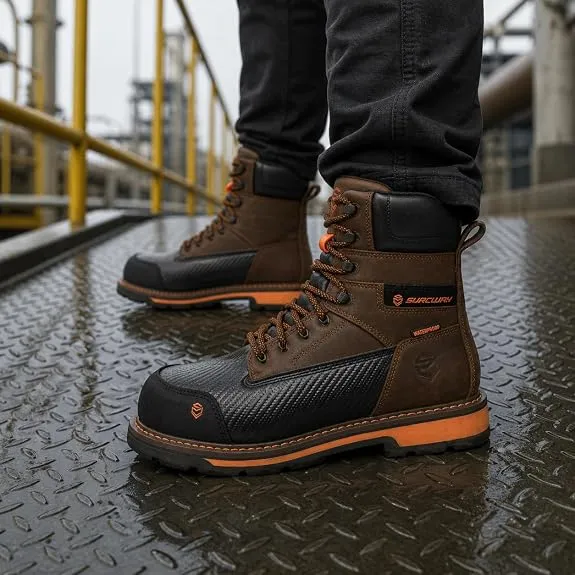
Insulation vs. Waterproofing: How They Work Together
Insulation Materials and Gram Weight Ratings Explained
Insulation works by trapping air close to the foot. Common materials include synthetic fills (such as 3M™ Thinsulate™), wool, and felt. Performance is measured in grams per square meter (g/m²): 200 g keeps feet comfortable in cool wet conditions, 400 g suits well-below-freezing temperatures, and 600 g or higher is reserved for extreme cold-weather labor. Heavier gram weights trap more air and deliver more warmth — but also add bulk, so matching the rating to actual site temperatures matters.
Waterproof Membranes and Seam-Sealed Defense
A true waterproof boot uses an internal membrane bonded to the upper and critically sealed at every seam. This construction prevents water from entering even when the boot stands in puddles or slush for extended periods. Water-resistant treatments, by contrast, only repel light surface moisture and fail under sustained contact with snow or wet mud.
Why Wet Means Cold: Preventing Moisture from Ruining Thermal Retention
Water conducts heat away from the body up to 25 times faster than still air. Even a small amount of moisture inside the boot effectively collapses the insulating air pockets, leaving feet cold within minutes. This is why combining both technologies — insulation and a sealed waterproof membrane — is essential on any cold, wet job site.
Key Winter Work Boot Models from Sureway
8-Inch Safety Toe Logger vs. Lace-Up vs. Heavy-Duty Steel Toe
Sureway offers three core styles of insulated waterproof work boots for men, each built for distinct site conditions:
- 8-Inch Waterproof Safety Toe Logger— Tall shaft keeps snow out; safety toe protects against falling objects. Ideal for hazardous outdoor work. The waterproof safety toe boots add impact protection to the waterproofing.
- Lace-Up Waterproof Work Boots— Mid-height with an adjustable lace system for a secure, customized fit across the instep. The lace-up work boots let you dial in support for all-day wear.
- Heavy-Duty Steel Toe Work Boots— Reinforced toe cap for high-impact environments. Step up to heavy duty work boots when floor conditions demand maximum toe protection.
Matching the Right Boots to Cold-Weather Trades
Freezing Construction Sites and Outdoor Winter Labor
On open construction sites in winter, temperature and impact hazards combine. A tall-shafted insulated waterproof work boot with a safety or steel toe is the right answer. The 8-inch shaft prevents snow from entering at the collar, while a high-gram insulation layer keeps feet warm during standing periods in sub-freezing air.
Snow, Slush, Deep Mud, and Cold-Storage Warehouses
Rain, slush, and deep mud demand full waterproofing plus aggressive outsole traction. Cold-storage and refrigerated warehouse workers face a different challenge — constant ambient cold without heavy precipitation — so a well-insulated, lighter-weight boot with condensation resistance is the priority. In both settings, the waterproof membrane is non-negotiable: even brief moisture exposure collapses insulation performance.
How to Choose Insulated Waterproof Work Boots
Determining Cold vs. Wet Severity and Insulation Weight
Follow a simple four-step framework:
- Identify your conditions— primarily cold, primarily wet, or both simultaneously.
- Select insulation weight— 200 g for cool/wet, 400 g for freezing, 600 g+ for extreme cold.
- Choose the right waterproof standard— full membrane for persistent water; treated leather for occasional splashes.
- Confirm safety-toe compliance— check site regulations before choosing steel, composite, or soft toe.
Choosing Safety Toe Caps and Sizing for Thermal Boot Socks
Thermal socks add meaningful volume inside the boot. When sizing the best insulated waterproof work boots, go up at least a half size to prevent toe compression, which reduces blood flow and actually makes feet colder. Try boots on with the socks you plan to wear on site.
Care & Maintenance
Protecting your investment is straightforward. After each shift, rinse off mud, salt, and abrasive grit that can degrade the waterproof membrane and stitching. Allow boots to air-dry at room temperature — never place them near direct heat, which cracks leather and separates seam sealing. Apply a water-repellent conditioner every few weeks to maintain the outer leather. For detailed step-by-step guidance, see how to clean leather work boots without damaging the finish.
Frequently Asked Questions
Q1: Are insulated waterproof work boots actually warm in freezing conditions? Yes. The insulation material traps body heat while the waterproof membrane blocks external slush and moisture, preventing wetness from neutralizing your thermal barrier in freezing environments.
Q2: Is "waterproof" the same as "water-resistant"? No. Waterproof boots incorporate an internal membrane and sealed seams engineered to withstand persistent standing water and snow, whereas water-resistant boots only shed minor surface splashes.
Q3: Can I wear insulated waterproof boots year-round? High-gram insulated boots will trap excessive heat and cause feet to sweat heavily during warm summer shifts. It is best to rotate to uninsulated waterproof boots when temperatures rise.
Q4: How do I keep the waterproof membrane working? Clean off abrasive mud and salt after each shift, let the boots dry naturally at room temperature instead of using direct heat, and periodically treat the leather uppers with a water-repellent conditioner.
Q5: What safety-toe options come in insulated waterproof boots? They are available with steel, composite, or soft toes. Composite toes are particularly popular in freezing weather because non-metallic materials do not transfer cold into the toe box like steel does.
Comment