Best Work Boots for Roofing
Sep 23,2026 | Nancy Sureway
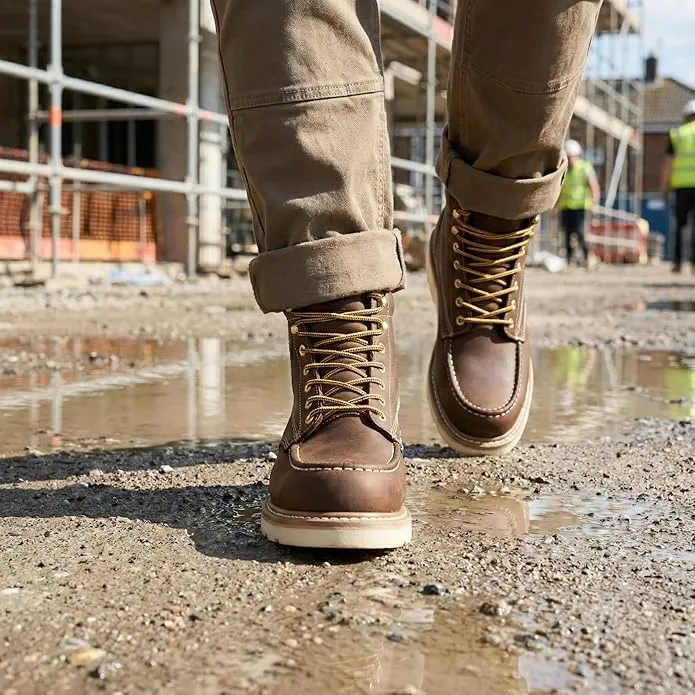
Every step on a roof carries real risk. A single slip on a 6/12 pitch can send you over the edge from 30 feet up. That is why choosing the best work boots for roofing is not a comfort decision — it is a survival decision. The right roofing work boots must lock onto hot shingle surfaces, resist intense heat, and bend freely with every footstep. Standard hiking boots and heeled logger boots are dangerous on a roof. In 2025, your feet deserve purpose-built protection.
Why Boots Make or Break Safety
Most roofers do not fail because of poor skills. They fail because their footwear fails first. Three non-negotiable rules separate safe roofing boots from hazardous ones.
Rule 1: Never wear a defined heel. A raised heel is a rooftop hazard. It catches on board laps, snags tar paper underlayment, and cracks shingle edges under load. This creates costly leaks and, more importantly, it throws your balance backward on any slope.
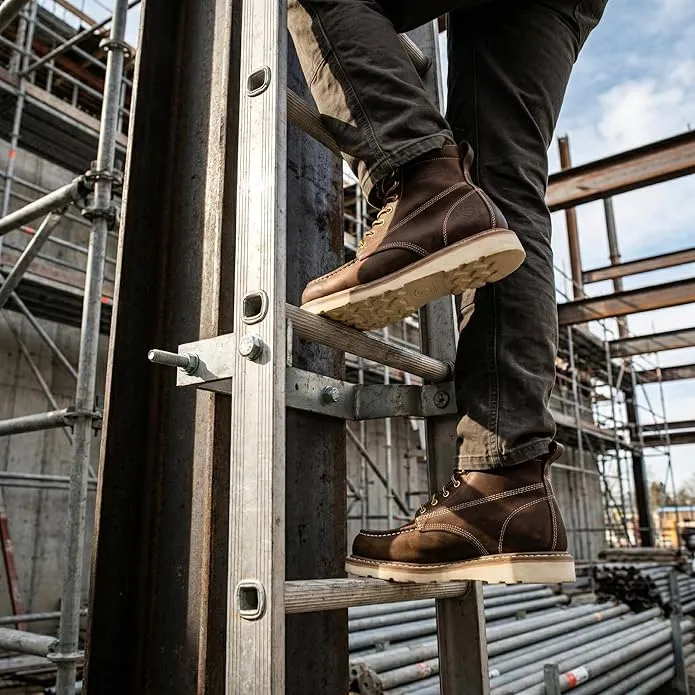
Rule 2: Flat wedge soles maximize surface friction. A flat polyurethane wedge sole has no heel gap and no aggressive lug channels. It presses the full length of the boot against the rough shingle surface. This is why wedge sole work boots are the gold standard for roof work — 100% rubber-to-shingle contact means dramatically more holding power.
Rule 3: Soft toe beats steel toe on a slope. Roofers work at constant ankle angles of 30° to 60°. A steel safety cap resists that bend and jams the toes painfully against the rigid shell on steep pitches. Soft toe construction allows the forefoot to flex naturally, giving you a far better feel for the roof beneath you. To learn more about how flat outsoles distribute grip across incline surfaces, read our in-depth guide on wedge sole boots.
Heat Resistance: Surviving 150°F+ Summer Shingle Temperatures
Black asphalt shingles absorb solar radiation aggressively. On a clear summer afternoon, surface temperatures regularly reach 150°F to 160°F (65°C to 71°C). That is hot enough to soften thin rubber soles within an hour, making them sticky, unstable, and structurally compromised.
Dedicated best boots for roofing use thick foam polyurethane midsoles paired with heat-resistant full-grain leather uppers. This combination creates a physical thermal barrier between the scorching deck and your foot. Thin athletic soles offer zero thermal protection and will degrade rapidly under these conditions.
Heat also affects grip chemistry. As standard rubber softens, it loses its friction coefficient and starts to smear across hot granules rather than grip them. A quality PU compound maintains its hardness and traction properties even at sustained high temperatures. For a full comparison of outsole compounds rated for both heat resistance and slope grip, explore our resource on slip resistant work boots.
Top Rated Picks from Sureway
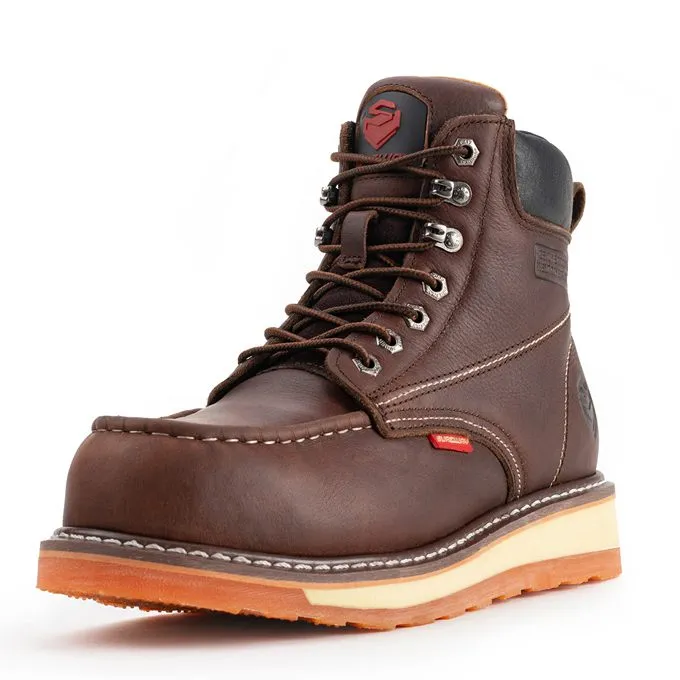
1. Sureway 6" Wedge Moc Toe: Best Overall for Asphalt Shingles & Pitch Stability
This boot is built specifically for the demands of asphalt shingle roofing. The extra-thick foam polyurethane flat outsole provides 100% deck contact from heel to toe. There is no heel whatsoever. The wide moc toe box gives your toes room to splay naturally under downhill pressure — a critical comfort factor during a full eight-hour roofing day.
The full-grain leather upper resists abrasion from rough shingle edges and provides firm ankle containment on steep pitches without restricting movement. Whether you are nailing down three-tab shingles or cutting in flashing around a dormer, roofers navigating steep pitches and scorching decking rely on the proven grip of wedge moc toe boots to prevent shingle gouging and maintain stable footing.
Best for: Full-day asphalt shingle installation, reroof tear-offs, plywood deck work, and commercial flat-to-slope hybrid roofing.
2. Sureway 6" Soft Toe Leather Boot: Best Lightweight Agility for Rapid Pacing
Not every rooftop job demands heavy-duty protection. Roof inspectors, estimators, and sheet metal technicians repairing skylights and ridge vents need speed and nimbleness above all else. This boot removes the steel toe cap entirely, cutting dead weight and eliminating any forefoot stiffness.
The crazy horse leather upper molds to the ankle quickly. The flat wedge outsole still delivers full-surface contact and reliable grip. If your work prioritizes maximum forefoot flex without the rigid weight of protective toe caps, choose flexible soft toe work boots for agile slope maneuvering.
Best for: Roof inspections, estimate walkovers, skylight and vent flashing repairs, and lightweight commercial assessments.
Metal Roofing vs. Asphalt Shingles: What Outsole Do You Need?
The surface type under your boots changes everything about outsole selection.
Asphalt shingles have a textured granule surface that pairs perfectly with soft-compound flat PU wedge soles. The slight give in the compound allows it to conform around individual granules, creating a mechanical interlock with the surface.
Standing seam metal roofs present a much harder challenge. Painted steel panels are nearly frictionless, especially when wet or frost-covered. For best shoes for metal roofing, look for boots with a softer natural rubber compound outsole and micro-sipe channels that channel moisture away from the contact patch. Always avoid metal roofs in wet or freezing morning conditions regardless of footwear. The best boots for roofers working across both surface types keep a dedicated pair for each.
Frequently Asked Questions
Q1: Why are wedge sole boots mandatory for roofing?
Wedge soles provide flat, 100% rubber-to-surface contact across roof decks. They prevent tearing expensive underlayment, won't crack hot shingles, and eliminate dangerous heel snags on edge flashing.
Q2: Should roofers wear steel toe or soft toe boots?
Most roofers prefer soft toe boots because steel caps add unnecessary weight and create rigid pinch points when toes bend deeply on steep pitches. Soft toes allow superior foot articulation and feel for the roof.
Q3: How long do work boots typically last when doing roofing?
Because coarse asphalt shingles act like heavy sandpaper against soles and uppers, dedicated roofing boots typically last 4 to 8 months of heavy commercial use before soles require resoling or replacement.
Q4: What boots provide the best grip on steep 8/12 pitch roofs?
Soft-compound polyurethane wedge sole boots offer the highest friction coefficient on steep pitches. Pairing them with clean, granule-free outsoles ensures maximum holding power.
Q5: Can I wear running shoes or skateboard sneakers on a roof?
Never. While sneakers feel sticky initially, their thin soles offer zero thermal protection against 150°F shingle heat, offer no ankle rollover support, and will rip through quickly on exposed roofing nails.
Comment