Slip Resistant Work Boots
Feb 25,2026 | Chad Sureway
Workplace safety remains a top priority across many industries. One necessary piece of gear for ensuring safety is slip resistant work boots. These special boots give you the traction you need on slippery surfaces like wet floors, oily concrete, or muddy ground. Without proper footwear, employees face a significantly higher risk of slips, trips, and falls. In this guide, Sureway will explores the technology behind these boots, their benefits, and how to choose the right pair for your specific needs.
Benefits of Slip Resistant Work Boots
Safety gear often focuses on high-visibility vests or hard hats, but footwear is the foundation of worker safety. Wearing the correct boots can prevent severe injuries and improve overall productivity.
Enhanced Safety in Slippery Environments
Floors covered in water, grease, or chemicals create dangerous conditions. Standard shoes act like skis on these surfaces. In contrast, slip resistant footwear uses specific rubber compounds and tread patterns to grip the floor. This grip allows workers to walk confidently without the constant fear of falling.
Prevention of Workplace Injuries
Slips and falls constitute a large percentage of workplace accidents. These incidents lead to broken bones, head trauma, and sprains. By equipping your team with high-quality footwear, you actively reduce these risks. Fewer accidents mean fewer workers' compensation claims and a healthier workforce.
Comfort and Durability for Long Work Hours
Safety does not require sacrificing comfort. Modern manufacturers design these boots with anti-fatigue technology. They include cushioned insoles and supportive arches. This support is important for workers who stand for eight to twelve hours a day. Furthermore, the materials used are robust.
Slip Resistant Work Boot Types
Not all safety boots serve the same purpose. Different industries require specific features to address unique hazards. You can choose the best protection if you know how the different types work.
Steel Toe Slip Resistant Boots
Construction sites and warehouses pose risks beyond just slippery floors. Heavy objects can fall and crush toes. Steel toe slip resistant boots combine superior grip with a reinforced toe cap. This dual protection safeguards feet from impact and compression while ensuring stability on uneven ground. They serve as the standard for heavy-duty industrial work.
Slip Resistant and Waterproof Boots
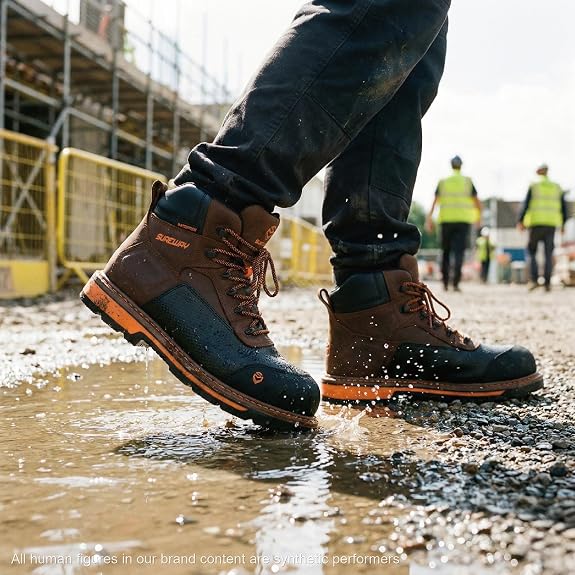
Jobs in agriculture, car washes, or food processing often involve constant exposure to liquids. Wet feet lead to discomfort and health issues like trench foot. Slip resistant and waterproof boots use membranes or treated leather to keep water out. Simultaneously, their outsoles channel water away to maintain contact with the ground. This combination keeps feet dry and secure.
Comparing Footwear Specifications
To choose between different types of boots, you need to know what makes each one unique. The table below outlines key differences to help you decide.
|
Feature |
Steel Toe Boots |
Soft Toe Boots |
Waterproof Boots |
|
Primary Protection |
Impact and Compression |
General Safety & Comfort |
Moisture & Liquid Barrier |
|
Weight |
Heavy |
Lightweight |
Medium |
|
Flexibility |
Low (Rigid Toe) |
High |
Medium |
|
Best For |
Construction, Warehousing |
Hospitality, Retail |
Agriculture, Utilities |
|
Breathability |
Low to Medium |
High |
Low (due to sealing) |
How to Choose the Right Slip Resistant Work Boots
Selecting the perfect pair involves more than just picking the right size. You must evaluate the specific demands of your job and the environment you work in.
First, look at the material. Leather offers durability, while synthetic meshes provide breathability. Next, check the fit. Boots should feel snug but not tight. Your toes need room to wiggle. Third, verify safety certifications. Look for ASTM or ISO standards labeled on the tongue or box. At last, consider specific job requirements. Do you need electrical hazard protection or insulation against cold?
Maintenance Tips for Slip Resistant Work Boots
Proper care extends the life of your boots and ensures they keep protecting you. Neglecting maintenance leads to a loss of grip and premature wear.
Cleaning and Care to Maintain Slip Resistance
Dirt, mud, and grease clog the treads of your boots. When treads fill up, the outsole becomes smooth and loses its grip. You must clean the outsoles regularly. Use a stiff brush and mild soap to scrub debris from the grooves. For leather uppers, apply a conditioner to prevent cracking. Dry your boots naturally rather than placing them near a heater.
When to Replace Your Work Boots
Even the best boots wear out eventually. Inspect the outsole monthly. If the tread pattern looks smooth or worn down, the slip resistance is compromised. Additionally, check the inside for worn lining or collapsed cushioning. If the steel toe shows through the leather or the sole separates from the upper, replace them immediately. Wearing damaged boots poses a significant safety risk.
Common Questions and Answers
- What makes a work boot slip resistant?
Slip resistant boots have specialized outsoles with tread patterns designed to provide grip on slippery surfaces.
- Are slip resistant boots waterproof?
Some slip resistant boots are also waterproof, offering dual protection against slips and wet conditions.
- How do I test the slip resistance of my boots?
Check for certifications like ASTM standards and test them on wet or oily surfaces.
- Can slip resistant boots be used in all industries?
Yes, they are versatile and suitable for industries like construction, healthcare, and hospitality.
- How often should I replace my slip resistant work boots?
Replace them when the tread wears out or they no longer provide adequate grip.
Comment