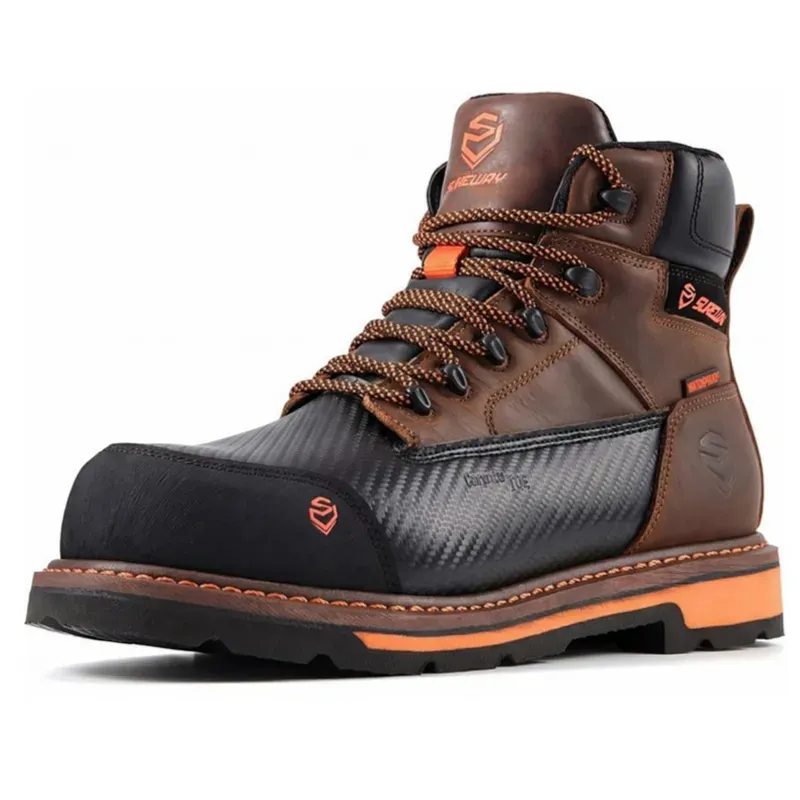
Best Work Boots for Landscaping
Sep 22,2026 | Nancy Sureway
Landscaping crews face conditions that destroy ordinary footwear fast. From stepping onto cold, dew-soaked turf at 6 a.m. to pushing a commercial mower up a muddy slope at noon, your boots take a serious beating every day. The best work boots for landscaping must deliver sealed waterproof protection, a rigid shank for shovel work, and deep lug soles that grip wet grass. This guide covers the best landscaping boots built to handle all of it — from lawn care to heavy hardscaping.
The 4 Brutal Elements of Landscaping Work
Landscaping exposes your feet to hazards most trades never face. Knowing each one helps you pick the right boot the first time.
- Morning Dew & Constant MoistureTurf holds moisture for hours after sunrise. Untreated leather absorbs that water quickly, soaking your socks and causing skin maceration — painful blistering from prolonged wet contact. Equipping your crew with certified waterproof work bootsis the only reliable way to keep feet dry from the very first step.
- Shovel Work & Foot Arch BruisingDigging irrigation trenches and edging beds means repeatedly driving your foot onto a shovel blade. Without a rigid steel shank in the midsole, that concentrated pressure hits your arch directly. Over time, this causes plantar fasciitis and deep tissue bruising that refuses to heal without rest.
- Steep Incline MowingOperating a heavy walk-behind mower on a hillside demands aggressive traction. Flat-soled shoes slip sideways on wet grass, creating a real rollover risk. For specific tread designs that prevent sliding on damp embankments, check our guide on the best shoes for cutting grass and lawn maintenance.
- Hardscaping Impact HazardsLaying granite pavers, stacking retaining wall blocks, and handling timber beams all carry serious drop risks. A heavy paver landing on an unprotected foot can break bones instantly. Only a certified safety toe boot can stop that injury.
Crucial Features Every Landscaper Needs
Not every work boot suits landscaping. These three features are non-negotiable.
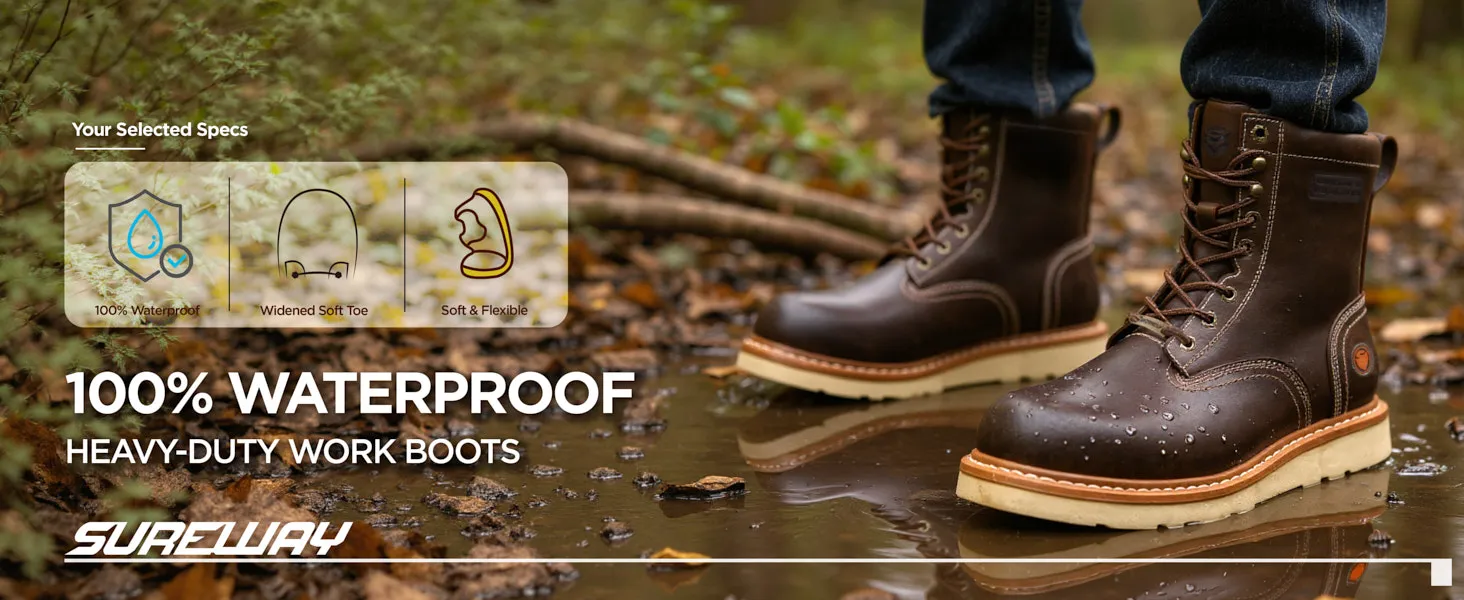
Sealed Waterproof Membrane + Breathable Lining A seam-sealed waterproof bootie keeps mud and groundwater out all day. However, waterproofing alone traps heat inside the boot. Look for a design that pairs the sealed membrane with a breathable inner lining — blocking outside moisture while allowing sweat vapor to escape. To know why seam-sealed construction outperforms basic leather sprays in heavy mud, read our full waterproof work boots guide for long wet shifts.
Solid Shank for Shovel Spading A steel or fiberglass shank is a rigid plate embedded in the midsole. It spreads the load across your entire foot every time you stomp on a shovel edge. Without it, the blade digs directly into your arch with every stroke — the single most common injury in landscaping crews.
Self-Cleaning Lug Outsoles Deep, widely spaced rubber lugs grip soft ground and shed mud as you walk. Tightly packed tread clogs with wet clay almost instantly, becoming just as slippery as a flat sole. Wide lug channels are essential for waterproof landscaping boots meant to handle sod, gravel, and everything in between.
Top Rated Picks: Best Landscaping Boots from Sureway
These two boots cover the full range of landscaping work — from daily lawn maintenance to heavy hardscaping jobs.
1. Sureway 8-Inch Waterproof Soft Toe: Best for Lawn Care, Mowing & Tree Trimming
Groundskeepers covering several acres daily need a boot that keeps up without weighing them down. The Sureway soft toe waterproof 8-inch boot is built precisely for that role.
The tall 8-inch shaft blocks flying gravel, weed-whacker debris, grass clippings, and biting insects before they reach your socks. There is no steel cap to add extra weight, so your stride stays light and natural — which matters when you log 10,000+ steps across turf, mulch beds, and gravel paths every shift.
The full waterproof membrane handles morning dew and irrigation overspray without soaking through. The aggressive outsole grips hillside turf and wet concrete equally well. For mowing, hedge trimming, tree pruning, and general lawn maintenance, this is the best boot for lawn care available today.
Best for: Lawn technicians, municipal groundskeepers, commercial mowing crews, arborist ground workers.
2. Sureway 8-Inch Waterproof Safety Toe Logger: Best for Hardscaping & Trench Digging
Hardscape crews lifting heavy stone and digging deep trenches need maximum protection alongside serious digging support. The Sureway safety toe logger delivers both.
The ASTM-rated safety toe cap withstands heavy paver and block drops. The deep 90-degree heel lug acts as a hard stop on a shovel blade, giving you real leverage on every dig stroke. Abrasion-resistant leather handles constant scraping against brick, stone, and rebar without cracking.
Full waterproof construction keeps feet dry in wet soil trenches. The aggressive outsole locks into soft ground and gravel, preventing slips when carrying heavy materials across uneven terrain.
Best for: Hardscaping crews, retaining wall builders, irrigation trench diggers, paver installation teams.
Maintance Tips: Surviving Fertilizer & Grass Acids
Freshly cut grass releases organic acids. Fertilizers carry nitrogen compounds. Both attack boot stitching and leather coatings faster than most people expect.
Follow these three simple rules after every shift:
- Rinse daily.Use a garden hose to wash off grass clippings, mud, and fertilizer residue. Do not let it dry on the leather.
- Condition weekly.Apply a quality leather conditioner or waterproofing wax at least once a week to seal the grain against chemical penetration.
- Dry properly.Remove insoles after each use and air-dry the boots naturally. Never place them next to a direct heat source — it cracks leather and degrades the waterproof membrane.
With consistent care, quality landscaping work boots will last two to three full seasons of daily use.
Frequently Asked Questions
Q1: Do landscapers need steel toe boots?
It depends on the task. For mowing and lawn maintenance, soft toe boots are lighter and more comfortable. However, for hardscaping, moving pavers, blocks, and timber — ASTM steel or composite toe boots are essential to prevent crushed toes.
Q2: Why do flat wedge soles fail on landscaping hills?
Wedge soles lack deep perimeter lugs and defined heels. On wet grass and muddy slopes, flat soles slide like skis. This makes them dangerous when pushing heavy commercial mowers on steep inclines.
Q3: What boot height is best for weed eating and mowing?
An 8-inch boot is ideal. The higher leather collar prevents flying gravel, weed-whacker debris, grass clippings, and biting insects — like ticks and fire ants, from getting inside your socks.
Q4: How do I stop my feet from sweating in waterproof landscaping boots? Wear moisture-wicking merino wool or CoolMax synthetic work socks instead of cotton. Also ensure your boots use a breathable internal membrane that vents heat while blocking exterior dew.
Q5: Can I use rubber deck boots for landscaping?
Waterproof deck boots work well for quick muddy cleanups or wet pressure washing. However, they lack the ankle stability, arch shank support, and leather breathability needed for an entire day of strenuous grading.
Comment