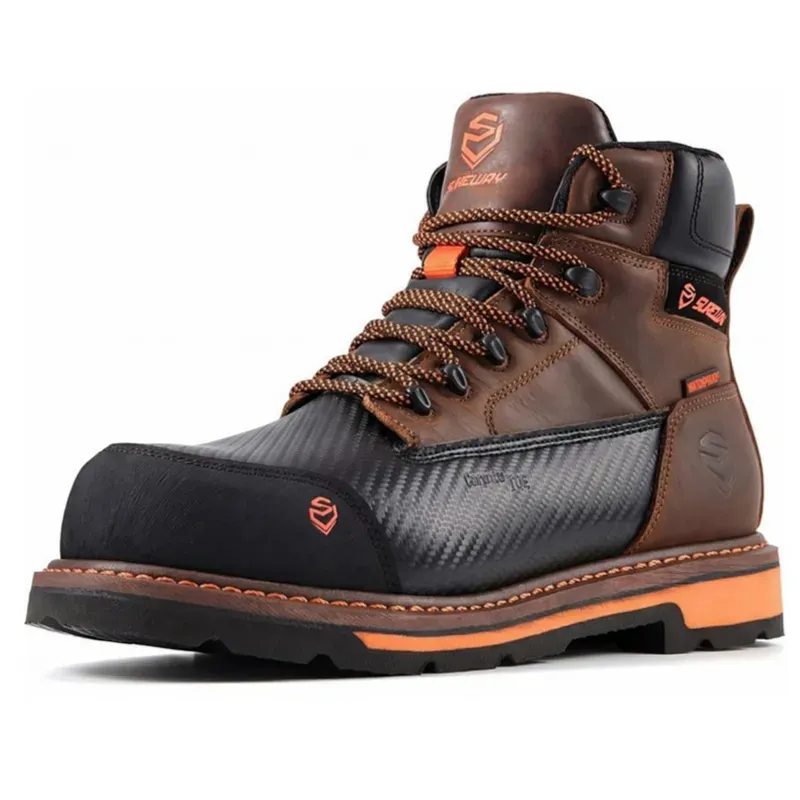
Best Work Boots for Plumbers
Oct 15,2026 | Nancy Sureway
Plumbing is one of the most physically demanding trades. You crawl under houses, kneel on wet concrete, and stand for hours in tight spaces. Your boots take the same punishment your body does. Choosing the best work boots for plumbers is not just about comfort — it is about protection, safety, and making it through a long shift without injury. This guide breaks down exactly what to look for and which Sureway boots deliver it. You can also explore our full range of boots for plumbers and pipefitters to find your best match.

What Plumbers Need in a Work Boot
Not every work boot is built for plumbing. Here are the features that matter most on the job.
Waterproofing
Plumbers work around burst pipes, flooded crawl spaces, and standing water every day. A waterproof membrane keeps moisture out and prevents the skin problems that come with wet feet over long shifts. Look for boots with a sealed waterproof lining, not just water-resistant leather. Learn more about why waterproof safety boots matter for every worker on site.
Slip Resistance
Wet floors, soapy surfaces, and oily pipes create serious slip hazards. Slip-resistant plumber boots need an oil-resistant outsole that grips slick surfaces reliably. Check for ASTM F2913 slip resistance ratings on the label.
Toe Protection (Composite vs. Steel)
Both composite toe and steel toe boots meet ASTM safety standards, but they serve different needs. Composite toe boots for plumbing are lighter, non-conductive, and more comfortable for long days in wet environments. Steel toe boots offer higher impact resistance for heavy commercial pipe work. Our composite toe boots guide walks you through the differences in detail
Comfort for Long Shifts
Plumbers spend hours on their feet, often on hard or uneven surfaces. A cushioned midsole, roomy toe box, and breathable lining reduce foot fatigue. Puncture-resistant midsoles also add protection when working around sharp debris or exposed pipe ends.
Ankle Support & Durability
Good ankle support keeps your joints stable when you are crouching, climbing, or working in awkward positions. Eight-inch boots provide more coverage and support than low-cut styles. Durable leather uppers and reinforced stitching extend the life of the boot under daily trade use.
Top Sureway Work Boot Picks for Plumbers
Best Overall — Composite Toe Waterproof Boot
The Sureway composite toe waterproof boot combines a waterproof lining with a lightweight composite toe and an oil-and-slip-resistant outsole. It is built for full-day comfort and meets ASTM safety standards. This is the top pick for most plumbing tasks.
Best for Heavy Plumbing Jobs — Steel Toe Industrial Boot
When the job involves heavy pipe sections or commercial equipment, the Sureway steel toe waterproof boot delivers maximum impact protection. The waterproof upper and slip-resistant outsole make it suitable for demanding industrial sites.
Best for Quick On/Off — Composite Toe Slip-On
For plumbers who move between multiple job sites in a day, convenience matters. Browse our slip-on work boots collection for ASTM-rated options that combine easy on/off with composite toe protection and non-slip outsoles.
Best 8-Inch Option — Waterproof Composite Leather Boot
The Sureway 8-inch composite service boot offers extended ankle coverage with a full-grain leather upper and waterproof construction. It is ideal for outdoor plumbing work or jobs where debris and water exposure are high.
How to Choose the Right Boot for Your Plumbing Work
Start with the job conditions. If you work mostly indoors on residential calls, a lightweight composite toe waterproof boot handles most situations well. If you handle commercial pipe work or outdoor utility jobs, a steel toe or 8-inch boot gives extra protection. Always prioritize slip resistance and waterproofing regardless of the style you choose. For a deeper look at boot features by trade, visit our full plumbing work boots guide.
FAQs
- Do plumbers need steel toe or composite toe boots?
Both work. Composite toe is lighter and won't conduct cold in wet environments, making it popular for most plumbing tasks. Steel toe offers higher impact ratings for heavy commercial pipe work. - Are waterproof work boots necessary for plumbers?
Plumbers regularly work in wet crawl spaces, around burst pipes, and on wet concrete. A waterproof membrane keeps feet dry and prevents fungal issues during long shifts. See our full collection of waterproof work boots for wet job sites. - How often should plumbers replace their work boots?
Most quality work boots last 12–18 months under daily plumbing use. Signs it's time to replace: compressed midsoles, cracked outsoles, or waterproofing failure. - Can I wear slip-on work boots for plumbing?
Yes, if they have composite toe protection and a slip-resistant outsole. Slip-ons are convenient for frequent on/off between job sites. Explore our slip-on work boots collection for ASTM-rated options.
Comment