
Best Winter Work Boots Buying Guide
Oct 15,2026 | Nancy Sureway
Working outdoors in winter is tough. Cold temperatures, wet snow, and icy ground can make every shift dangerous — especially if your boots aren't up to the task. The best winter work boots keep your feet warm, dry, and protected, no matter how harsh the conditions get. This guide covers everything you need to choose the right pair.
What Makes a Great Winter Work Boot?
A great winter work boot does three things well: it keeps cold out, keeps moisture out, and keeps you upright on slippery surfaces. Beyond those basics, it must also meet any safety requirements your job demands. Whether you work in logging, construction, or heavy equipment operation, the right boot starts with understanding what conditions you actually face each day.
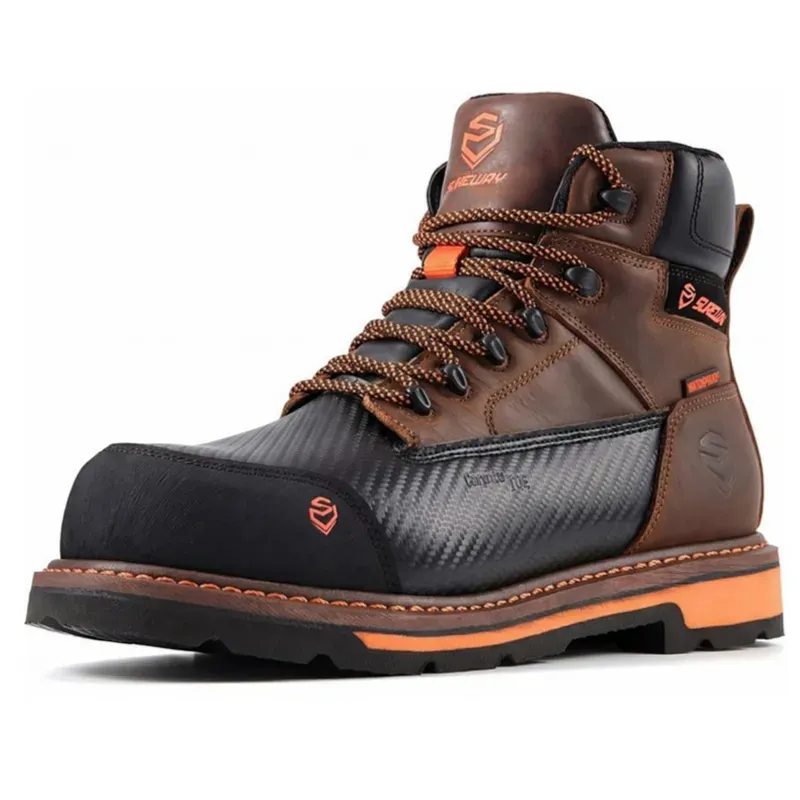
Key Features to Look for in Winter Work Boots
1. Insulation: How Warm Do You Need?
Insulation is measured in grams. For mild winters or active jobs, 200–400g of Thinsulate is usually enough. For cold, stationary work in temperatures below -20°F, look for 800–1,000g or more. Too much insulation on an active job will cause sweating, which leads to cold, damp feet. Match the warmth rating to your workload and climate. For more help on this topic, check out the insulated work boots buying guide.
2. Waterproofing: Full Membrane vs. Treated Leather
Treated leather repels light moisture but will soak through in heavy snow or standing water. A full waterproof membrane — like GORE-TEX or a proprietary liner — creates a true barrier that keeps water out for extended periods. For serious winter conditions, a full membrane is the better choice. Learn more about waterproof work boots for rain and snow to make the right call.
3. Outsole Traction for Ice & Snow
Slip resistance is critical in winter. Look for deep lug patterns and rubber compounds that stay flexible in freezing temperatures. Some outsoles are specifically rated for ice and oil resistance. Logger-style boots with aggressive treads provide excellent grip on uneven, slippery terrain.
4. Toe Protection: Steel Toe vs. Composite Toe in Cold Weather
This is one of the most common winter boot questions. Steel conducts cold, which can make your toes feel colder faster in extreme temperatures. Composite toe caps — made from carbon fiber or kevlar — do not conduct temperature, making them a better option for very cold conditions. That said, both materials meet ASTM safety standards. Read the full steel toe vs composite toe guide to decide which suits your situation.
Top Picks: Best Winter Work Boots from Sureway
Sureway offers a strong lineup of winter-ready safety boots. Here are five worth considering:
Built for rough terrain, these safety toe logger boots combine steel protection with full waterproofing and heavy insulation. A top pick for outdoor and forestry workers.
Composite toe work boots that stay warmer in extreme cold. Ideal for workers who need safety protection without the heat-conducting drawback of steel.
A waterproof 8-inch boot that won't weigh you down. Great for workers who need all-day comfort on wet or snowy job sites.
These heavy equipment work boots are built for demanding environments. Full waterproofing and a rugged construction make them a reliable winter choice.
The extra shaft height adds ankle support and keeps snow out. Steel toe protection meets serious waterproofing in one durable package.
FAQs
- What temperature rating should winter work boots have?
For most winter work, 400–600g of insulation handles temperatures down to -10°F. For extreme cold or stationary jobs, choose 800g or higher. - Are composite toe boots better than steel toe in winter?
Yes, in very cold conditions. Composite materials do not conduct cold the way steel does, which helps keep your toes warmer. Both meet the same safety standards. - Do I need waterproof work boots for winter?
Yes. Snow melts, slush builds up, and wet feet in cold temperatures are a serious safety risk. Waterproof insulated logger boots or membrane-lined boots are strongly recommended. - How tall should winter work boots be?
An 8-inch boot is the standard for most winter work. A 10-inch boot offers more ankle support and better snow protection for deep conditions or logging work. - Can I wear insulated work boots year-round?
Lightly insulated boots (200g) can work in cooler weather. Heavily insulated boots will cause overheating in warm months and are best kept for cold-season use only.
Comment


