Plumbing Work Boots Guide for Plumbers
Jan 12,2026 | Chad Sureway
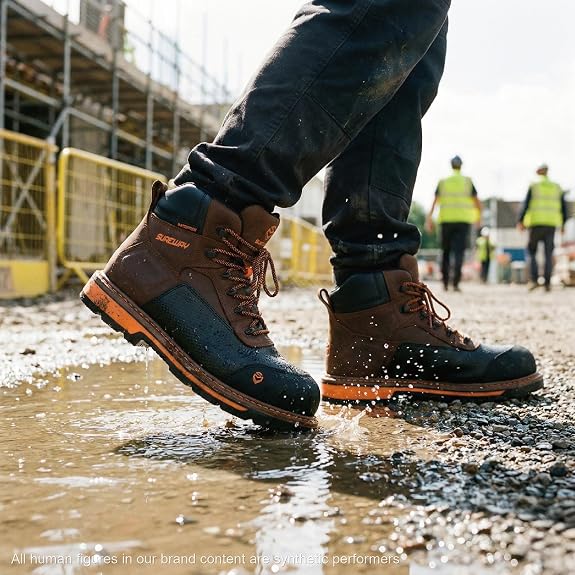
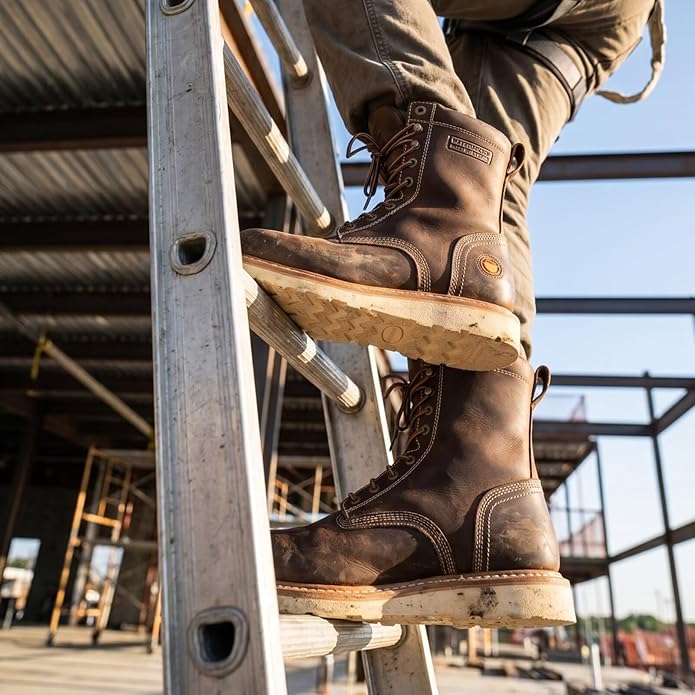
Plumbing is a tough, hands-on trade that demands a lot from you and your gear. You spend your days navigating wet basements, crowded crawl spaces, and active construction sites. Given these conditions, the right pair of plumbing work boots is not a luxury; it is a fundamental piece of safety equipment. Standard shoes simply cannot handle the daily hazards. In this post, Sureway will discuss how to choose the plumbing work boots.
Key Features to Look for in Plumbing Work Boots
When searching for the best plumbing work boots, several key features should be at the top of your list. These elements are specifically designed to address the common challenges of the plumbing profession. Paying close attention to these details will ensure you select a pair of boots that offers comprehensive protection and lasting comfort. A great pair of plumbing work boots will always have these features.
|
Feature |
Description |
Why It’s important for Plumbers |
|
Waterproofing |
Uses a waterproof membrane (like GORE-TEX) and sealed seams to create a barrier against moisture. The leather or synthetic upper is also often treated to repel water. |
Plumbers work in wet conditions constantly. Waterproof work boots keep feet dry, preventing discomfort, blisters, and fungal infections. Dry feet are also warmer feet. |
|
Slip Resistance |
Outsoles are made of special rubber compounds and feature deep lugs and channel patterns to provide superior grip on wet, oily, or slick surfaces. |
This is a primary safety feature. Slip-resistant boots dramatically reduce the risk of slips and falls, one of the most common workplace accidents for plumbers. |
|
Toe Protection |
A reinforced cap at the front of the boot protects toes from impact and compression. This can be made of steel, aluminum, or composite materials. |
Dropped tools, pipes, and other heavy materials are a constant threat. Both steel toe boots and composite toe boots provide essential protection against serious toe injuries. |
|
Insulation |
A layer of material (measured in grams, e.g., 200g, 400g) is added to the boot lining to trap heat and keep feet warm in cold temperatures. |
Essential for plumbers working in unheated buildings, basements, or outdoors during winter. Insulated boots prevent discomfort and the risk of frostbite. |
|
Electrical Hazard (EH) Protection |
The soles and heels are constructed from non-conductive, shock-resistant materials to offer a secondary source of protection against electrical shock. |
Plumbers often work near water and electrical systems. EH-rated boots provide an important layer of defense against accidental contact with live circuits. |
Steel Toe Boots vs. Composite Toe Boots
Choosing the right toe protection is a critical decision. Both steel toe boots and composite toe boots have their own set of advantages.
- Steel Toe Boots
These offer the maximum level of protection against heavy impact and compression. Steel has been the industry standard for decades for a reason. It provides unparalleled strength.
- Composite Toe Boots
Made from non-metallic materials like carbon fiber, Kevlar, or plastic, these boots are significantly lighter than their steel counterparts. This can reduce foot fatigue over a long day. Furthermore, since they are non-metallic, they do not conduct heat, cold, or electricity.
For most plumbing jobs, either option provides adequate protection. The choice often comes down to personal preference regarding weight and thermal conductivity.
Moc Toe Boots: A Popular Choice for Plumbers
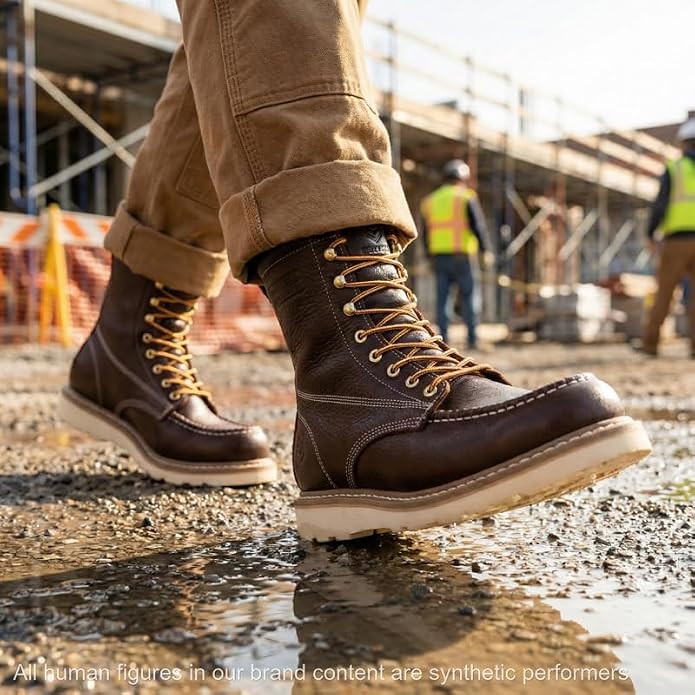
When exploring plumbing work boots, you will frequently come across the moc toe boots style. This design, characterized by its moccasin-style stitching on the toe box, is not just for looks. It offers distinct functional benefits for tradespeople. The construction of moc toe boots provides a roomier toe box. This can lead to greater comfort, especially when you are crouching or kneeling for extended periods.
Furthermore, the flat, wedge-style sole often paired with moc toe designs provides excellent surface contact. This enhances stability and is particularly comfortable on hard, flat surfaces like concrete floors. The durability of the Goodyear welt construction, common in high-quality moc toe styles, means the sole can be replaced, extending the life of your boots significantly.
How to Choose the Best Plumbing Work Boots
Finding the perfect pair of plumbing work boots involves more than just picking a brand. You need to consider several factors to ensure they meet your specific needs. Taking the time to make a careful choice will pay off in comfort and safety.
First, consider the fit, material, and weight. A proper fit is non-negotiable. Your boots should be snug but not tight, with about a half-inch of space between your longest toe and the end of the boot. Try them on late in the day with your work socks for the most accurate sizing.
For materials, full-grain leather offers the best durability and water resistance, while synthetic materials can provide a lighter-weight option. The overall weight of the boot is also important; a lighter boot can reduce fatigue, but sometimes heavier boots offer more robust protection.
Common Questions and Answers
What are the best waterproof work boots for plumbers?
The best options feature a high-quality waterproof membrane. Look for boots with sealed seams and a gusseted tongue to ensure no water gets in.
Are steel toe boots necessary for plumbing work?
Yes, a protective toe is essential. Steel toe boots provide excellent protection against falling pipes, tools, and other heavy objects common on a plumbing job site.
How do I clean and maintain my plumbing work boots?
Remove loose dirt with a brush. Use a damp cloth and mild soap for tougher grime. Apply a leather conditioner to keep the material from drying out and cracking. Always let them air dry completely.
What is the difference between composite toe and steel toe boots?
Composite toe boots are lighter and do not conduct electricity or temperature. Steel toe boots generally offer a slightly higher level of impact protection.
Can plumbing work boots be used for other trades?
The core features of good plumbing work boots, such as waterproofing, slip resistance, and a safety toe, make them highly suitable for many other trades like construction, carpentry, and electrical work.
Comment