What are the Best Work Boots for Electricians
Jan 10,2026 | Chad Sureway
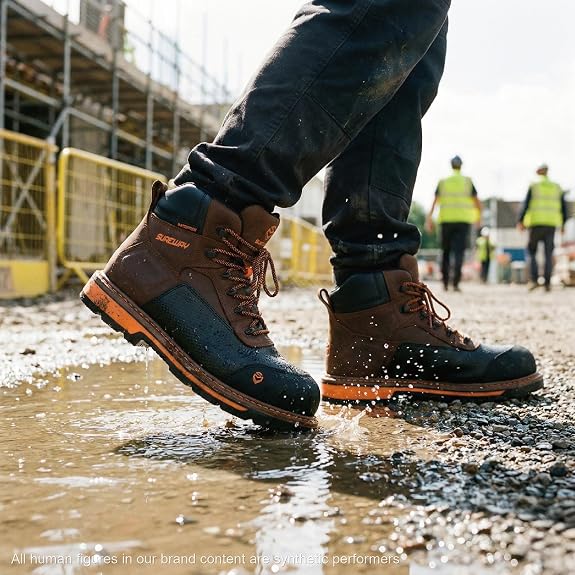
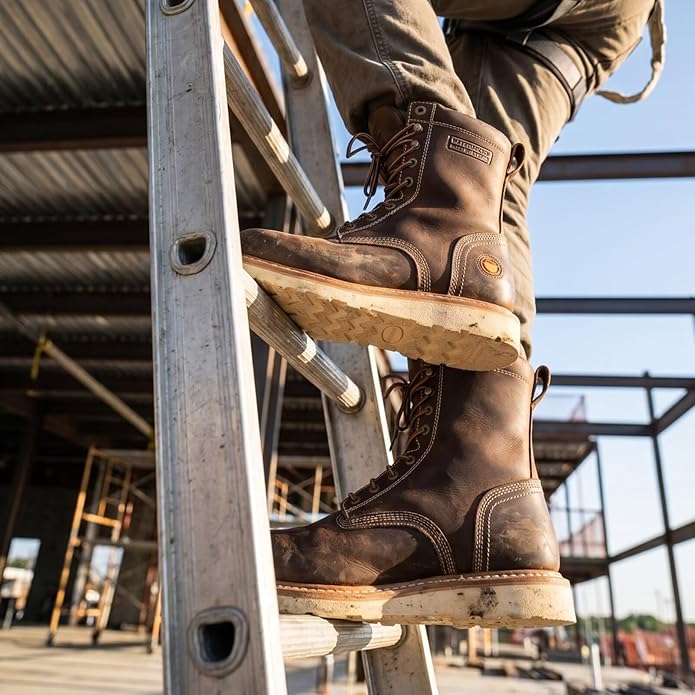
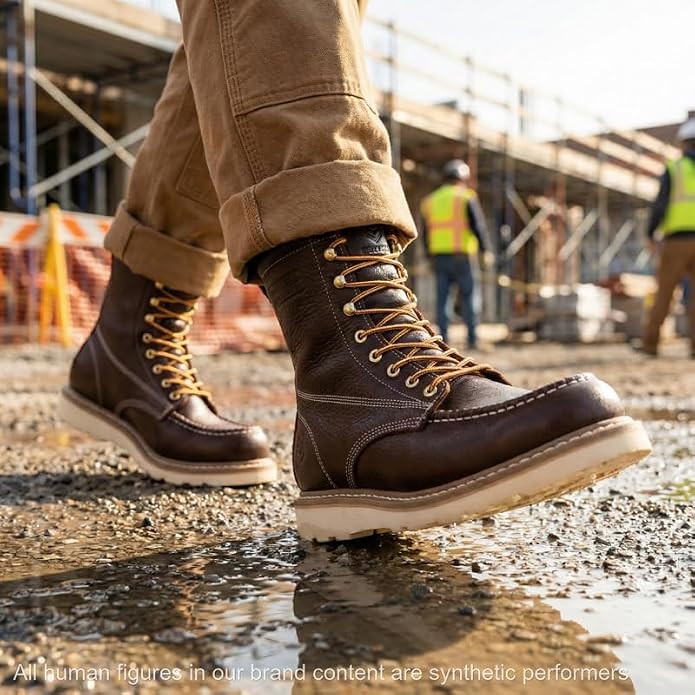
Electricians face unique challenges and hazards on the job every single day. Their work environments can be unpredictable. For this reason, standard footwear is simply not enough. Safety, pofort, and durability become paramount. Choosing the best work boots for electrician is not just about comfort; it is a critical safety decision that protects against life-threatening dangers. The right pair of boots provides a necessary barrier against electrical currents while also offering support for long hours on your feet.
Why Electricians Need Specialized Boots for the Job
The work of an electrician is physically demanding and filled with potential hazards that are not present in other trades. They often work in tight spaces, on ladders, or on uneven and potentially wet surfaces. Consequently, the risk of slips, falls, and electrical shocks is a constant concern. Standard work boots may offer some protection, but they lack the specific features needed to guard against electrical currents.
Moreover, comfort and durability are equally important. Electricians spend most of their day standing. Boots without proper support can lead to foot fatigue, pain, and long-term health issues. Durable boots, on the other hand, can withstand the rough conditions of a construction site or industrial setting. Electricians Work Boots are those that offer a comprehensive solution for safety, comfort, and longevity.
Key Features in the Best Work Boots for Electricians
When you need to find the best electrician work boots, several key features are non-negotiable. These characteristics ensure the footwear provides maximum protection and performance specifically for electrical work. The following table will help you make an informed decision and select boots that meet rigorous safety standards.
|
Feature |
Description |
Why It's Critical for Electricians |
|
Electrical Hazard (EH) Rating |
EH-rated boots are constructed with non-conductive, electrical shock-resistant soles and heels. They are designed to provide a secondary source of protection against accidental contact with live electrical circuits. |
This is the most important feature. It significantly reduces the risk of electric shock, which can be fatal. It is a primary defense in hazardous environments. |
|
Non-Metallic Safety Toe |
These safety toes are made from materials like composite, carbon fiber, or Kevlar instead of steel. They provide impact protection without conducting electricity. |
A non-metallic toe is preferred for electricians. It eliminates a potential pathway for electricity, offering an extra layer of safety compared to traditional steel toes. |
|
Water Resistance |
These boots use waterproof membranes or specially treated leather to keep feet dry. This feature prevents water from seeping into the boot. |
Water is an excellent conductor of electricity. Working in wet conditions increases the risk of electric shock. Water-resistant boots keep feet dry, enhancing safety and comfort. |
|
Slip Resistance |
Slip-resistant outsoles are made from special rubber compounds and feature tread patterns designed to grip surfaces securely, even when they are wet or oily. |
Slips and falls are a major cause of workplace injuries. A high-traction outsole provides stability and prevents accidents, especially on smooth or slick surfaces. |
|
Comfort and Support |
This includes features like cushioned insoles, ergonomic design, arch support, and padded collars. Breathable materials also help with moisture management. |
Electricians spend long hours on their feet. Proper comfort and support reduce fatigue, prevent foot pain, and improve overall focus and productivity on the job. |
How to Choose the Right Work Boots for Electricians
Selecting the best work boots for electrician requires a careful assessment of your individual needs and work environment. Not all electrical jobs are the same, and the right boot for one person might not be ideal for another. Taking a thoughtful approach ensures you get the protection and comfort you need.
First, you need to assess your specific job requirements. Do you primarily work indoors in controlled environments, or are you often outdoors on construction sites? Outdoor work may demand boots with excellent water resistance and potentially insulation for cold weather. Conversely, indoor work might prioritize lightweight materials and breathability. Also, consider the types of surfaces you walk on. If you frequently encounter oily or slick floors, a top-tier slip-resistant outsole is a must. Identifying these factors helps you narrow down the features that matter most for your personal search for the best work boots for electrician.
Secondly, proper fit and sizing are absolutely important. A poorly fitting boot is not only uncomfortable but can also be a safety hazard. Your feet can swell throughout the day, so it is best to try on boots in the afternoon or evening. Wear the same type of socks you typically use for work to get an accurate feel. There should be enough room to wiggle your toes, but your heel should not slip when you walk.
Where to Buy Electricians Work Boots: Sureway
When you need to buy electricians work boots, look no further than us. Sureway offers a wide selection of work boots for electricians that meet the highest safety standards. You can find boots with the necessary EH rating, non-metallic safety toes, and other critical features. Shopping with a specialized provider like Sureway ensures you are getting footwear designed for the unique dangers of your profession.
Common Questions and Answers
What makes a work boot EH-rated?
EH-rated boots are designed to provide secondary protection against electrical hazards, reducing the risk of electric shock.
How do I maintain my work boots for longevity?
Clean them regularly, apply waterproofing treatments, and replace insoles as needed to maintain comfort and durability.
Can I use regular work boots for electrical work?
No, electricians should use EH-rated boots specifically designed for electrical hazard protection.
Comment