Heavy Duty Boots and Their Types
Jan 10,2026 | Chad Sureway
Heavy duty boots are necessary gear for many demanding jobs and activities. These boots provide an important combination of protection, durability, and comfort. You need footwear that can withstand tough conditions. They also support you through long hours of standing or walking on difficult terrain. These boots are specifically engineered for resilience in challenging environments.
What Are Heavy Duty Boots and What Are Their Features?
Heavy duty boots are purpose-built footwear. They serve to protect feet in hazardous work environments. Their main goal is to offer superior durability and reliable performance. Unlike standard shoes, these boots feature specific elements that make them exceptionally tough.
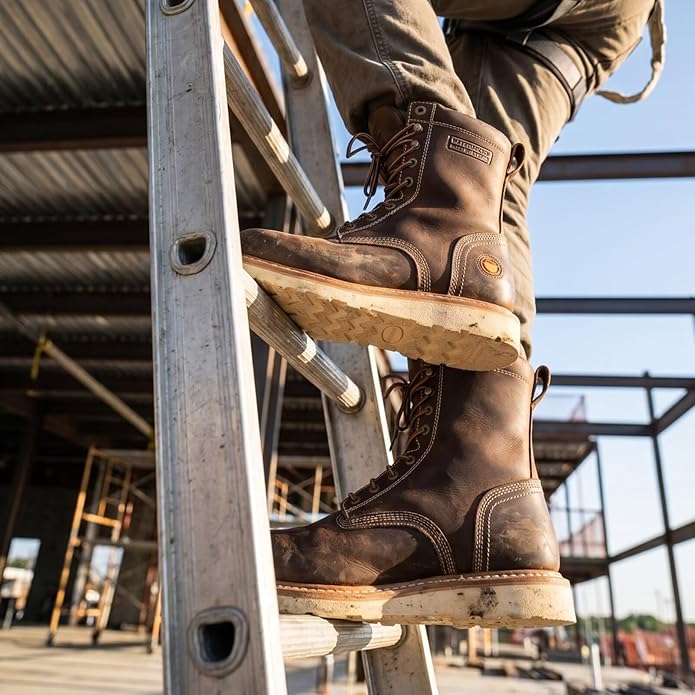
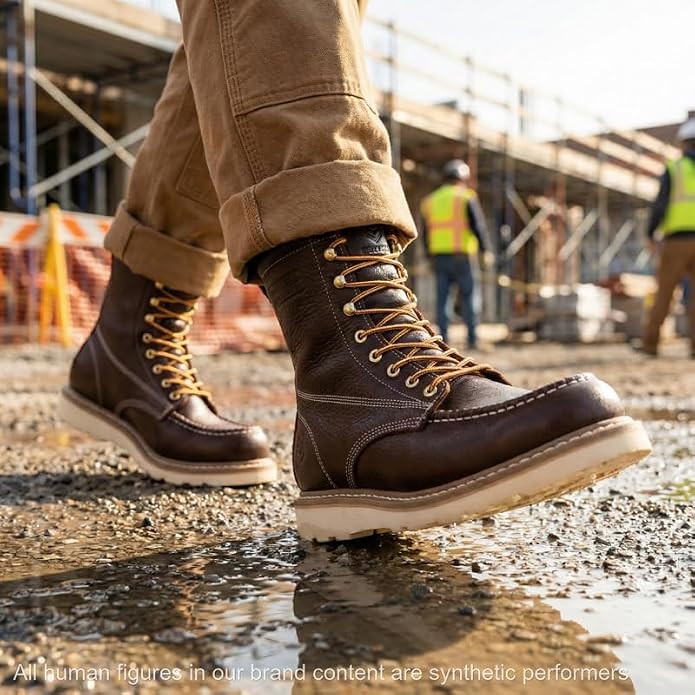
Key features make these work boots so dependable. First, they often use robust materials like full-grain leather. This material resists abrasions and punctures effectively. Additionally, reinforced stitching at stress points prevents the boots from falling apart under strain. A sturdy, thick outsole is another critical feature. It provides excellent traction and a stable platform on uneven surfaces. For these reasons, work boots are a necessity for safety and performance in tough jobs.
Types of Heavy Duty Work Boots and Their Uses
Different jobs require different types of protection. Consequently, several kinds of heavy duty work boots exist. Each type is designed with specific work environments in mind.
Steel Toe Heavy Duty Work Boots
Steel toe boots are a classic choice for protection. They feature a steel cap over the toe area. This cap guards against compression and impact from heavy falling objects. For this reason, they are ideal for construction sites. When you need maximum protection for your toes, these heavy duty work boots are an excellent option.
Composite Toe Heavy Duty Work Boots
Composite toe boots offer a modern alternative to steel toes. Instead of steel, they use non-metallic materials like carbon fiber, plastic, or Kevlar for the protective toe cap. These materials make the boots much lighter than their steel counterparts. Also, they do not conduct electricity. If your workplace has metal detectors, these non-metallic heavy duty work boots are the required choice.
Waterproof Heavy Duty Work Boots
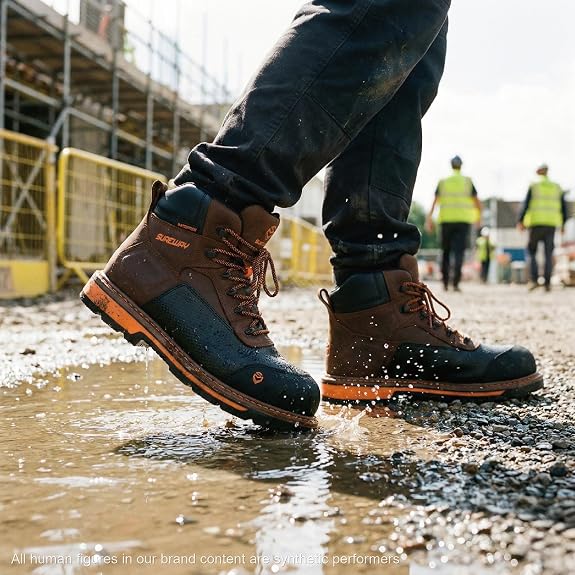
Many jobs expose you to wet and muddy conditions. Waterproof heavy duty work boots keep your feet dry and comfortable all day long. They use waterproof membranes and treated leather to seal out moisture. This feature is necessary for people working outdoors, in plumbing, or in agriculture. Dry feet help prevent blisters and fungal infections.
Insulated Heavy Duty Work Boots
Working in cold weather presents unique challenges. Insulated work boots are designed to keep your feet warm in frigid temperatures. They contain insulation material, often measured in grams, that traps heat. This is important for construction workers, utility line workers, and anyone else who works outside during winter. Proper insulation helps prevent frostbite and maintains comfort.
Key Features to Look for in Heavy Duty Boots
When shopping for heavy duty work boots, several key features demand your attention. These elements determine the boot's overall performance, comfort, and longevity. Paying close attention to them ensures you get the best value and protection.
|
Feature |
Description |
Importance for Heavy Duty Boots |
|
Durability |
Refers to the boot's ability to withstand wear and tear. This is achieved through high-quality materials like full-grain leather, Goodyear welt construction, and reinforced stitching. |
necessary for longevity. Durable heavy duty work boots save you money over time because they do not need frequent replacement. They stand up to abrasion, chemicals, and rough surfaces. |
|
Comfort |
Relates to how the boot feels during long hours of wear. Key components include cushioned insoles, padded collars, breathable linings, and an ergonomic design that supports the foot's natural shape. |
important for reducing fatigue and preventing foot pain. Comfortable work boots improve productivity and overall job satisfaction. |
|
Safety Features |
Includes protective elements designed to prevent injuries. Common features are slip-resistant outsoles, electrical hazard (EH) protection, and puncture-resistant plates. |
Non-negotiable for hazardous workplaces. These features on work boots can prevent slips, falls, electrocution, and injuries from sharp objects. |
|
Weather Resistance |
The boot's ability to protect against environmental elements. This involves waterproof membranes to keep feet dry and insulation to keep feet warm in cold conditions. |
Important for outdoor workers. Weather-resistant work boots ensure comfort and safety regardless of rain, snow, or cold, allowing work to continue without interruption. |
How to Choose the Right Heavy Duty Boots
Choosing the right pair of work boots is a critical decision. It directly impacts your safety and comfort at work. A systematic approach will help you make the best choice.
First, you must assess your work environment. Consider the specific hazards you face daily. Do you work around heavy machinery? Are the floors often wet or oily? Do you work outdoors in extreme temperatures? Your answers will guide you toward boots with the necessary safety features, like steel toes or slip-resistant soles.
Next, the importance of proper sizing and fit cannot be overstated. An ill-fitting boot can cause blisters, foot pain, and even long-term posture problems. Always measure your feet before buying, as sizes can vary between brands. It is a good idea to try on boots at the end of the day. Your feet tend to swell slightly after hours of activity. Moreover, wear the same type of thick socks you would normally wear to work. There should be about a half-inch of space between your longest toe and the end of the boot. Walk around in them to ensure they feel comfortable and do not slip at the heel. Selecting the right size makes your work boots an asset, not a liability.
FAQs
What are heavy duty work boots used for?
Heavy duty boots are designed for demanding work environments. They offer protection, durability, and comfort for tasks like construction, industrial work, and outdoor activities.
What is the difference between steel toe and composite toe boots?
Steel toe boots provide maximum protection against heavy impacts. In contrast, composite toe boots are lighter and non-metallic, ideal for environments requiring metal-free footwear.
Are heavy duty work boots waterproof?
Many heavy duty work boots come with waterproof features. This makes them suitable for wet and muddy conditions.
How do I choose the right size for work boots?
Measure your feet accurately and consider trying boots on with thick socks. Always check the brand's sizing chart for specific guidance.
How can I maintain my work boots?
Clean them regularly, apply waterproofing treatments, and store them in a cool, dry place. This proper care will extend their lifespan.
Comment