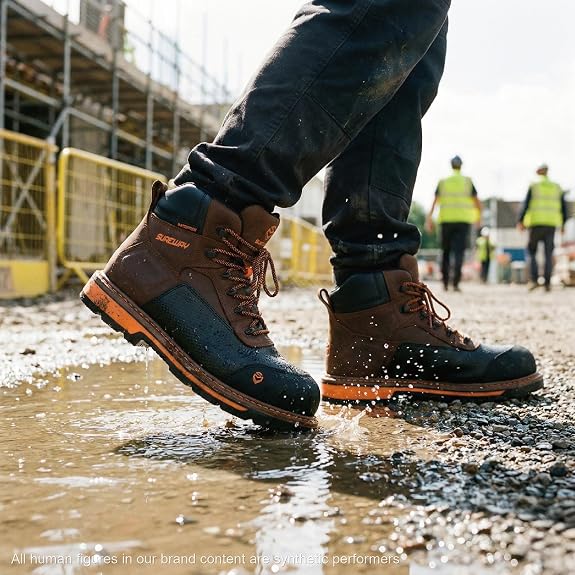
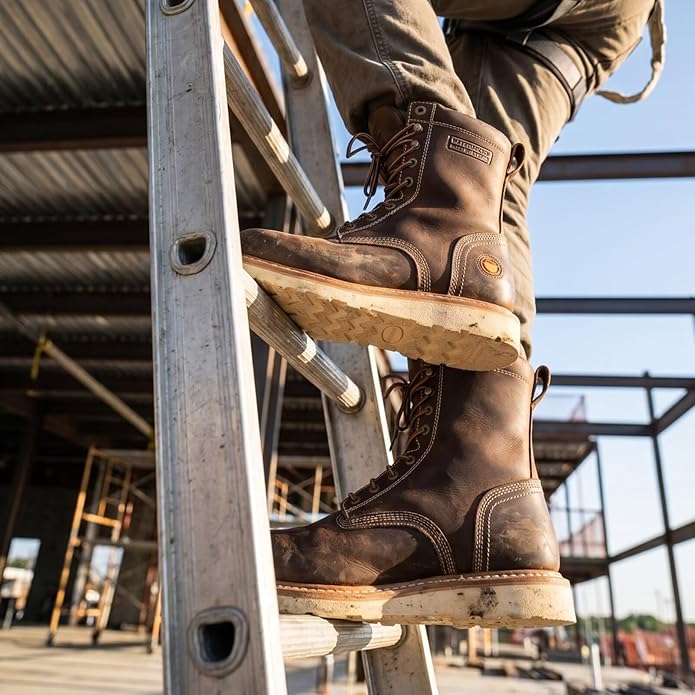
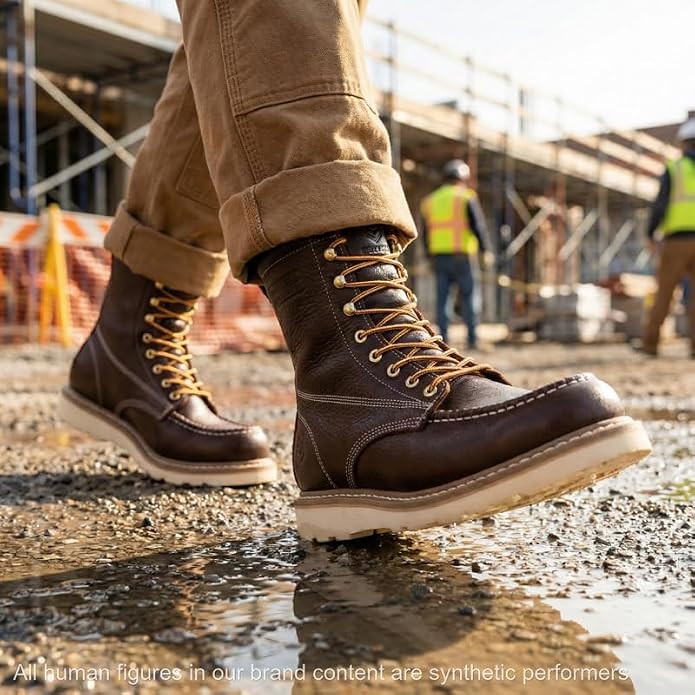
Choosing the Right Construction Work Boots for Your Needs
Jan 12,2026 | Chad Sureway
A construction site is one of the most hazardous places to work. Your safety depends on the gear you wear, and no piece of equipment is more fundamental than your footwear. The right pair of construction work boots serves as your first line of defense against countless dangers. They do more than just cover your feet; they provide critical protection, support, and comfort through long. Choosing high-quality boots is an investment in your personal safety and well-being on the job. Here, Sureway will explore how to choose the right work boots for your needs.
Why Construction Work Boots Are Necessary
The role of proper footwear on a job site cannot be overstated. High-quality construction work boots are necessary for ensuring both safety and comfort throughout the workday. Construction sites are dynamic environments, filled with common hazards that can lead to serious injury. You constantly face risks from falling objects like tools or building materials, sharp items underfoot such as nails and rebar, and slippery or uneven surfaces. The right boots are specifically engineered to mitigate these dangers.
Moreover, a long day of standing. Without adequate support, you can suffer from foot pain, fatigue, and even long-term issues with your back and joints. Therefore, good work boots for construction are designed not only for protection but also for ergonomic support. They help absorb shock and reduce strain.
Features to Look for in Construction Work Boots
Selecting the right work boots requires you to look closely at their features. The best options combine safety, comfort, and durability to handle the rigors of the job.
|
Feature Category |
Specific Component |
Description |
Why It's Important for Construction |
|
Safety Features |
Steel Toe vs. Composite Toe |
A protective cap shields the toes from impact and compression. Steel offers maximum protection, while composite (non-metal) is lighter and doesn't conduct electricity or temperature. |
This is non-negotiable on a construction site. Steel toe work boots are the traditional standard for protection against heavy falling objects and compression hazards. |
|
Electrical Hazard (EH) Protection |
The soles and heels are made from non-conductive materials to provide a secondary source of protection from live electrical currents. |
Protects against accidental electric shock, a serious risk when working around wiring, power tools, and water. |
|
|
Comfort & Fit |
Arch Support & Cushioning |
An ergonomic footbed, cushioned midsole (often EVA or PU), and a supportive shank work together to reduce strain on your feet and joints. |
important for all-day comfort. Prevents fatigue and pain from standing on hard, unforgiving surfaces like concrete or steel beams. |
|
Breathability & Moisture-Wicking |
Linings made from materials that allow air to circulate and pull sweat away from the foot, keeping them dry. |
Prevents blisters, fungal infections, and general discomfort. Dry feet are also warmer in the cold and cooler in the heat. |
|
|
Durability |
Materials & Construction |
Full-grain leather uppers and Goodyear welt or cement construction with reinforced stitching ensure the boot holds up to abuse. |
Your boots need to withstand constant abrasion, exposure to debris, and rough conditions. High-quality materials mean a longer lifespan for your investment. |
|
Outsole Properties |
Soles are made from durable rubber compounds designed to be slip-resistant and oil-resistant, with a tread pattern that provides excellent traction. |
A slip-resistant outsole is important for preventing falls on wet, muddy, or oily surfaces, one of the most common causes of injury on construction sites. |
Maintenance Tips for Construction Work Boots
Investing in a quality pair of construction work boots is the first step. The second is taking care of them properly to maximize their lifespan and performance. With a few simple habits, you can keep your boots in top condition for much longer. These maintenance tips will help you get the most out of your construction work boots.
- Clean Them Regularly: At the end of the day, take a moment to brush off loose dirt and mud. For tougher grime, use a damp cloth and a specialized boot cleaner or a mild solution of soap and water. Letting dirt sit on the leather can cause it to dry out and crack over time.
- Condition the Leather: Leather is a natural skin that needs moisture to stay flexible and strong. Apply a leather conditioner or oil every few weeks (or more often if you work in very harsh conditions). This prevents the leather from drying.
- Dry Them Properly: Never use direct heat from a radiator or fire to dry wet boots. This can damage the leather and ruin the adhesives. Instead, stuff them with newspaper to absorb moisture and let them air dry naturally in a well-ventilated area.
- Replace Insoles and Laces: The insoles that come with your boots will wear down over time. Replacing them with a new pair is an easy and inexpensive way to restore comfort. Similarly, frayed or broken laces should be replaced immediately to ensure a secure fit.
- Consider Resoling: If you have boots with Goodyear welt construction, the outsoles can be replaced by a cobbler when they wear out. This can significantly extend the life of an expensive pair of boots.
Frequently Asked Questions
Are steel toe boots better than composite toe boots?
Steel toes offer superior protection but are heavier, while composite toes are lighter and non-conductive.
How do I ensure my work boots fit properly?
Try them on at the end of the day with work socks, ensuring enough room for toe movement without slipping.
How can I make my work boots last longer?
Regularly clean and condition the leather, replace worn-out insoles, and resole boots with Goodyear welts.
Comment