Waterproof Logger Boots Buying Guide
Jan 14,2026 | Chad Sureway
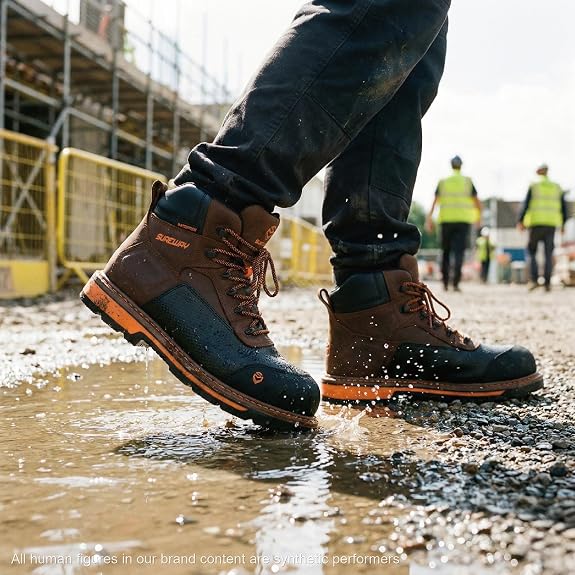
Working outdoors demands tough gear. Your feet face mud, rain, and uneven ground daily. Wet feet ruin your day. They cause blisters and discomfort. You need reliable protection. Waterproof logger boots provide this necessary defense. These specialized boots keep your feet dry. They support your ankles on steep terrain. Workers in logging, construction, and farming rely on them. This guide helps you find the perfect pair for your specific job.
Key Features to Look for in Logger Boots Waterproof
Quality varies between brands. You must inspect specific components before buying. High-quality materials ensure long-lasting performance.
Material Quality
Full-grain leather offers the best durability. It resists abrasion and punctures. Manufacturers often treat the leather with oil. This adds water resistance. Look for logger boots waterproof linings. Some brands use Gore-Tex. Others use proprietary waterproofing systems. Both options work well. Breathability matters just as much as water resistance.
Safety Features
Job sites require specific safety ratings. Your boots must protect your toes.
- Steel Toe: Provides maximum protection against compression and impact. It conducts cold.
- Composite Toe: Uses plastic or carbon fiber. It weighs less than steel. It does not conduct cold.
- Soft Toe: Offers no impact protection. It weighs the least.
Comparison of Safety Toe Types
|
Feature |
Steel Toe |
Composite Toe |
Soft Toe |
|
Impact Protection |
High |
High |
None |
|
Weight |
Heavy |
Medium |
Light |
|
Cold Conduction |
Yes |
No |
No |
|
Electrical Hazard |
Safe |
Safe |
Varies |
|
Airport Friendly |
No |
Yes |
Yes |
Insulation Options
Cold weather demands insulation. Waterproof boots often contain Thinsulate. Weights range from 200g to 800g. 200g suits active work in cool weather. 800g suits stationary work in freezing conditions. Choose based on your climate.
Durability Construction
Construction methods determine lifespan. Goodyear welt construction sets the standard. The manufacturer stitches the upper to the sole. You can resole these boots. Reinforced stitching prevents seam failure. Triple stitching adds strength to high-stress areas.
How to Choose the Right Waterproof Logger Boots for Your Needs
Every worker faces different tasks. Selecting the right boot requires analysis of your daily routine.
Job Requirements
Identify your primary hazards. Loggers need aggressive traction and heel support. Construction workers need toe protection. Utility workers need electrical hazard protection. Waterproof logger boots serve many industries. Ensure the boot meets your employer's safety standards.
Climate and Terrain
Consider your environment. Hot climates require breathable boots. Uninsulated boots work best there. Freezing winters require heavy insulation. Slip-resistant boots perform best in muddy terrain. Flat concrete surfaces do not require aggressive logger heels. Match the sole to the ground.
Fit and Comfort
Comfort increases productivity. Sore feet distract you from work. Look for arch support. High heels strain high arches. Cushioned insoles absorb shock. Try boots on in the afternoon. Feet swell during the day. Wear your work socks during the fitting. The boot should hold your heel firmly. Your toes need room to wiggle.
Maintenance Tips for Logger Boots Waterproof
Proper care extends boot life. Leather dries out without care. Mud degrades stitching. Follow these steps to protect your investment.
Cleaning and Conditioning
Remove dirt daily. Use a stiff brush. Caked mud draws moisture from leather. Wash boots with mild soap and water occasionally. Do not use harsh detergents. Let them air dry. Never use heat sources like radiators. Heat cracks leather. Apply leather conditioner once the boots dry. Conditioner restores natural oils. It keeps leather flexible.
Reapplying Waterproof Treatments
Factory waterproofing fades over time. Water eventually soaks into the leather. You notice this when water stops beading up. Apply a waterproofing spray or wax. Focus on seams. Pay attention to the area where the sole meets the upper. Regular treatment maintains the logger boots waterproof capabilities.
Proper Storage
Store boots in a dry place. Damp basements encourage mold. Mold destroys leather fibers. Use a boot dryer if your boots get soaked inside. This prevents bacterial growth. Rotate between two pairs of boots. Leather needs 24 hours to dry completely. This practice doubles the life of both pairs.
Where to Buy the Best Waterproof Logger Boots
You have several options for purchasing. Finding the right seller ensures you get authentic products.
Online Retailers
Online stores offer vast selection. You can compare prices easily. Read customer reviews. Reviews reveal sizing issues. Check return policies carefully. Shipping costs vary.
Physical Stores
Local workwear stores allow try-ons. You feel the fit immediately. Sales staff provide expert advice. Prices might be higher than online.
Purchase the Best Waterproof Logger Boots from Sureway
Sureway offers premium work footwear. Their waterproof logger boots combine durability with comfort. We use high-grade materials. Our designs focus on worker safety. Sureway provides excellent customer service. Consider our slip-resistant models for extreme terrain.
Common Questions and Answers
What are waterproof logger boots?
These are specialized work boots designed with waterproof membranes to keep feet dry in wet conditions, ideal for logging and outdoor jobs.
How do I maintain waterproof logger boots?
Clean regularly, condition the leather, and reapply waterproof treatments as needed.
Are logger boots suitable for hiking?
Yes, their traction and durability make them suitable for rugged terrains, but they may feel heavier than traditional hiking boots.
What’s the difference between steel toe and composite toe logger boots?
Steel toe offers maximum protection against heavy impacts, while composite toe is lighter and better for cold environments.
Do waterproof logger boots provide insulation?
Many models offer insulation options, ranging from 200g to 800g, for varying levels of warmth.
Comment