What Are Safety Shoes?
Jan 21,2026 | Chad Sureway
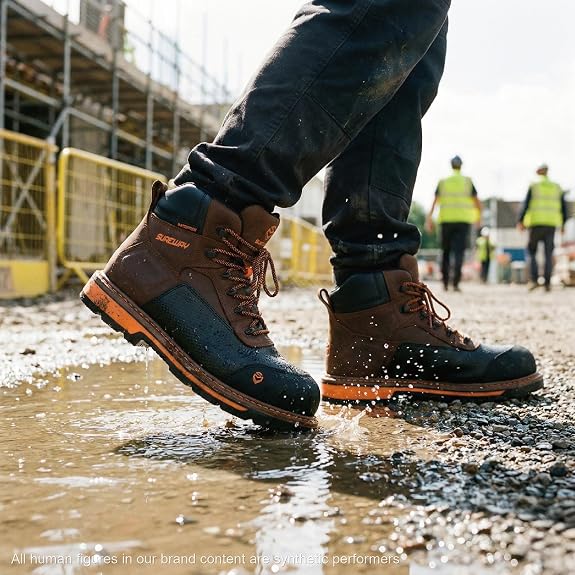
Workplace hazards exist in almost every industry, from slippery floors to falling heavy objects. Protecting your feet is a critical part of personal safety, yet many workers overlook this necessity until an accident happens. This brings us to a fundamental question: what are safety shoes? In this guide, Sureway will explore the different types of safety footwear available, how to choose the right pair, and why they are necessary for your daily protection.
Different Types of Safety Shoes
Not all protective footwear is created equal. Different jobs require specific features to handle unique risks. Manufacturers design various work boots and shoes to cater to these specific needs. Knowing the difference between toe cap materials is the first step in selecting the right gear.
Steel Toe Shoes
Steel toe shoes remain the classic choice for heavy-duty protection. They feature a toe cap made from heavy steel.
Features:
Steel toe boots are known for their incredible durability. They offer the highest level of impact resistance among all safety footwear types. While they are heavier than other options, their rugged construction ensures they last a long time, even in harsh conditions. The weight can sometimes cause fatigue, but the trade-off is superior protection.
Ideal Applications:
These boots shine in environments where heavy machinery and falling objects are constant threats. You will frequently see them in:
- Construction sites
- Manufacturing plants
- Heavy industrial settings
- Foundries
If your job involves lifting heavy items or working near moving equipment, steel toe shoes are often the safest bet.
Composite Toe Shoes
As technology advances, so does safety gear. Composite toe shoes offer a modern alternative to traditional steel. Instead of metal, these toe caps use strong non-metal materials like Kevlar, carbon fiber, plastic, or fiberglass.
Features:
The most significant advantage here is weight. Composite toe shoes are much lighter than their steel counterparts. Additionally, they are non-conductive. They also resist temperature changes better; they won't get as cold in freezing weather or as hot in summer heat.
Ideal Applications:
Because they contain no metal, these are perfect for workers who pass through metal detectors daily, such as airport security staff or nuclear plant workers. They are also excellent for:
- Electrical work (due to non-conductivity)
- Cold storage facilities
- Security personnel
- Engineers in metal-free zones
What Are the Best Safety Shoes?
Determining what are the best safety shoes for you depends entirely on your specific work environment. A shoe that is perfect for an electrician might be dangerous for a logger. However, certain universal criteria help separate high-quality footwear from subpar options.
Comfort and Fit
Comfort is not just a luxury; it is a safety feature. If your shoes hurt, you might adjust your walk. The most comfortable safety shoes feature ample cushioning, arch support, and breathable linings. When trying them on, ensure there is enough room in the toe box so your toes do not rub against the protective cap.
Compliance with Standards
Never buy safety footwear that lacks certification. In the United States, look for compliance with ASTM (American Society for Testing and Materials) standards. OSHA (Occupational Safety and Health Administration) requires employers to ensure workers use protective footwear that meets these specific codes (like ASTM F2413). These certifications guarantee the shoe has passed rigorous tests for impact and compression.
Durability and Material Quality
High-quality materials like full-grain leather or abrasion-resistant synthetics ensure your boots survive daily abuse. Inspect the outsole as well; it should be slip-resistant and oil-resistant to provide stability on slick surfaces.
Below is a comparison table to help you verify specifications quickly:
|
Feature |
Steel Toe |
Composite Toe |
Alloy Toe |
|
Weight |
Heavy |
Lightest |
Medium-Light |
|
Material |
Steel |
Carbon fiber, plastic, Kevlar |
Aluminum, Titanium |
|
Electrical Resistance |
Conducts electricity |
Non-conductive |
Conducts electricity |
|
Temperature Control |
Poor (gets hot/cold) |
Excellent (insulates) |
Moderate |
|
Metal Detector Safe |
No |
Yes |
No |
|
Cost |
Generally lower |
Moderate to High |
Moderate to High |
How to Choose the Right Safety Shoes for Your Needs
Selecting the right footwear involves assessing your daily hazards. Start by looking around your workplace.
Assess the Hazards
- Falling Objects: If you lift heavy boxes or tools, prioritize impact resistance (Steel or Alloy).
- Sharp Objects: If you work where nails or glass cover the floor, look for puncture-resistant soles.
- Electrical Risks: Electricians must wear Electrical Hazard (EH) rated shoes with non-conductive soles and composite toes.
- Slippery Floors: Chefs, nurses, and janitors need high-rated slip-resistant outsoles to prevent falls.
Consider the Climate
If you work outdoors in winter, insulated composite toe boots will keep your feet warmer than steel. Conversely, if you work in hot climates, look for breathable mesh uppers rather than heavy leather.
Don't Ignore Fit
Try boots on at the end of the day when your feet are naturally swollen. This ensures they will fit comfortably even after a long shift. Wear the same socks you plan to wear at work to get an accurate feel.
Frequently Asked Questions
What are safety shoes used for?
Safety shoes protect feet from workplace hazards like falling objects, sharp items, and electrical risks, ensuring safety and compliance with regulations.
What is the difference between steel toe and composite toe shoes?
Steel toe shoes are heavier and more durable, while composite toe shoes are lightweight, non-conductive, and better for extreme temperatures.
Are safety shoes mandatory in all workplaces?
Safety shoes are required in workplaces with risks of foot injuries, as per OSHA and other safety standards.
What are the most comfortable safety shoes?
Shoes with cushioning, arch support, and lightweight materials, such as composite toe shoes, are considered the most comfortable.
How do I maintain my safety shoes?
Clean them regularly, inspect for wear and tear, and replace them if they no longer meet safety standards.
Comment