Best Work Boots for Walking All Day
Jan 20,2026 | Chad Sureway
Your feet ache after a ten-hour shift. The concrete floor feels unforgiving. You need the best work boots for walking all day to solve this problem. Many workers ignore foot pain. They think it is normal. It is not normal. The right footwear changes your entire work experience. You prevent long-term injury with proper support. This guide helps you find the perfect pair. Sureway will explore comfort features, safety toes, and proper fit to ensure your health and well-being.
Why Comfort Matters in Work Boots
You walk miles every single day. Your feet bear your entire body weight. This pressure increases when you carry heavy loads. Hard surfaces like concrete offer no shock absorption. As a result, the impact travels up your legs. It hits your knees. It strains your hips. It eventually hurts your lower back. This chain reaction causes chronic pain. You lose focus on your tasks. Fatigue sets in faster.
Plantar fasciitis creates stabbing heel pain. Fallen arches cause instability. Shin splints make walking difficult. You need footwear that fights these problems. The most comfortable work boots act as a tool. They protect your body just like a hard hat protects your head. You invest in your long-term mobility. Comfort is not a luxury. It is a necessity for safety and productivity.
Specifications Comparison of Safety Toes
You need to know the differences between safety toe materials. This table breaks down the pros and cons of each type.
|
Feature |
Alloy Toe |
||
|
Weight |
Heavy |
Lightweight |
Lightweight |
|
Material |
Steel |
Carbon fiber, Plastic, Kevlar |
Aluminum, Titanium |
|
Heat/Cold Transfer |
High (Gets hot/cold) |
None (Neutral temperature) |
High (Gets hot/cold) |
|
Metal Detector |
Sets it off |
Passes through |
Sets it off |
|
Protection Level |
High (Compression/Impact) |
High (Meets ASTM standards) |
High (Meets ASTM standards) |
|
Cost |
Often lower |
Often higher |
Moderate to High |
|
Best For |
Static standing, Heavy hazard |
Walking all day, Electrical hazard |
Walking all day, Tight spaces |
How to Choose the Best Work Boots for Walking All Day for Your Job
Every job has unique demands. A warehouse worker faces different challenges than a landscaper. You must match the boot to the environment.
1. Industry-Specific Recommendations
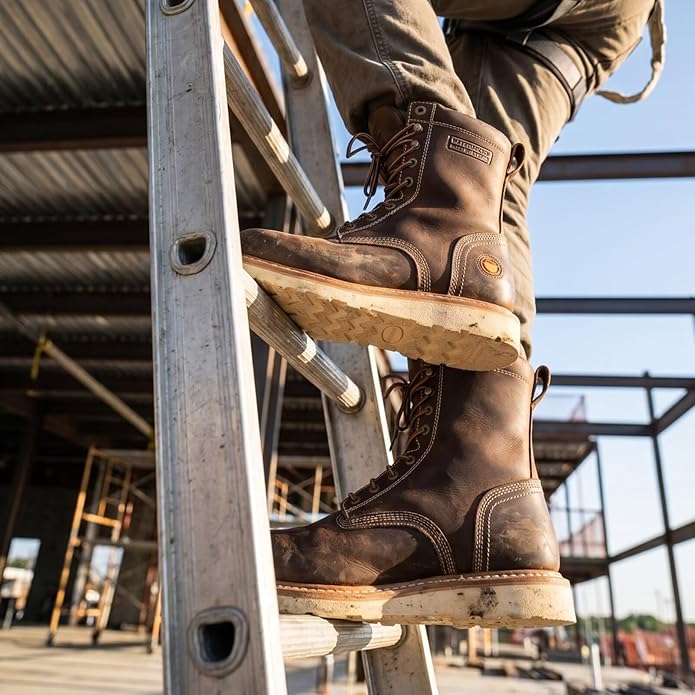
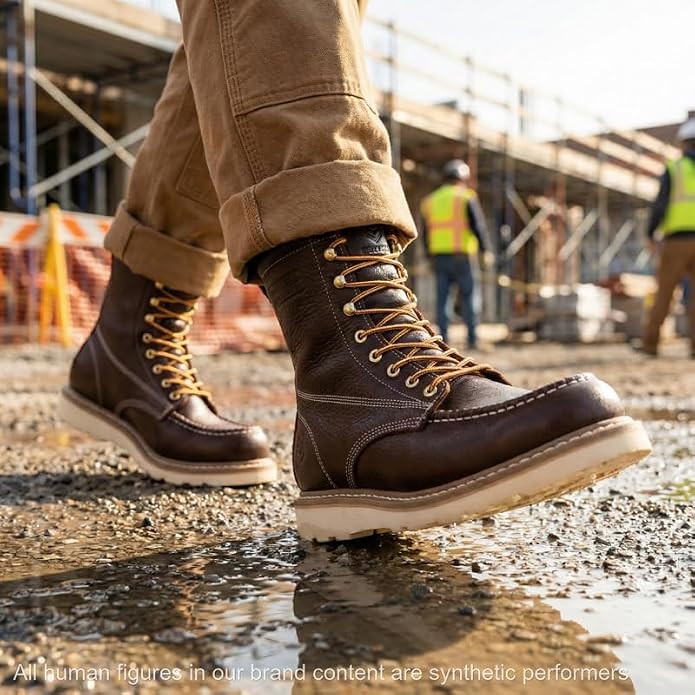
Construction workers need heavy-duty protection. You navigate uneven terrain. You encounter nails and falling objects. You need a puncture-resistant plate. You need aggressive tread. On the other hand, warehouse workers walk on flat concrete. You need maximum shock absorption. A wedge sole is excellent here. It provides full ground contact. It distributes weight evenly.
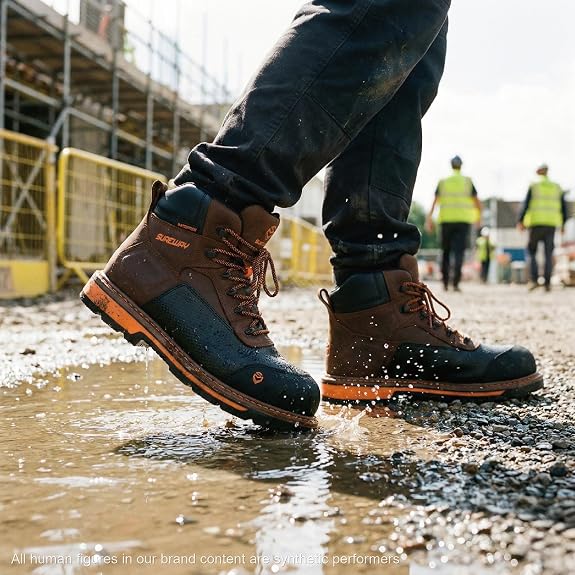
Outdoor professionals need weather defense. Landscapers and utility workers face rain and mud. You need durable work boots for walking with waterproofing. You also need breathable materials for hot days. Mechanics deal with oil. You need an oil-resistant sole. Chemical plant workers need acid-resistant materials. Assess your daily hazards. Choose the features that counter them.
2. Fit and Sizing Tips
A boot performs poorly if the fit is wrong. Loose boots cause blisters. Tight boots cut off circulation. You must try on boots properly. First thing to remember, your feet swell during the day. You should try on boots in the afternoon. Your feet are largest then. This ensures a comfortable fit for the whole shift.
Wear your actual work socks during the fitting. Thick socks change the fit significantly. You should wiggle your toes. They should not touch the front. Your heel should stay in place. It should not lift up when you step. Heel slip causes severe blisters. Consider the width. Many brands offer wide sizes. A standard width might squeeze your foot. A wide option gives your toes room to spread. This spread is natural when you walk. It improves balance.
Maintenance Tips for Long-Lasting Comfort
You invest money in quality boots. You want them to last. Proper care extends their life. It maintains their comfort levels.
Important to realize, you should rotate your boots. Buy two pairs if possible. Wear them on alternate days. The foam insoles need time to decompress. The interior needs time to dry out. This rotation stops bacteria growth. It keeps the cushioning responsive.
You can also upgrade the support. Stock insoles wear out quickly. You should replace them every six months. Buy orthotic insoles. Choose ones with arch support. This simple change revives old boots. It restores the comfort.
Clean your boots regularly. Mud dries out leather. It causes cracks. Wipe them down with a damp cloth. Use a leather conditioner. This keeps the material flexible.
FAQs
What features should I look for in work boots for standing all day?
Look for cushioned insoles first. You also need strong arch support. Slip-resistant soles ensure safety. Breathable linings keep feet cool.
How do I prevent foot pain while wearing work boots?
Use quality orthotic insoles. Wear compression socks to improve blood flow. Ensure the boots fit properly. Take breaks to stretch your feet.
Are waterproof work boots worth it?
Without a doubt, they are worth it. They are necessary for outdoor environments. They are important for wet indoor areas. They keep feet dry. This prevents blisters and discomfort.
Comment