
Composite Toe vs. Alloy Toe
Sep 20,2026 | Nancy Sureway
Heavy steel-toe boots have protected workers for generations. However, two modern alternatives are rapidly replacing them on job sites: composite toe and alloy toe. Both weigh far less than traditional steel. Both pass the same ASTM safety standards. Yet they perform very differently when conditions get tough. Knowing the composite toe vs alloy toe difference helps you choose the right boot for your environment. Here is everything you need to know.
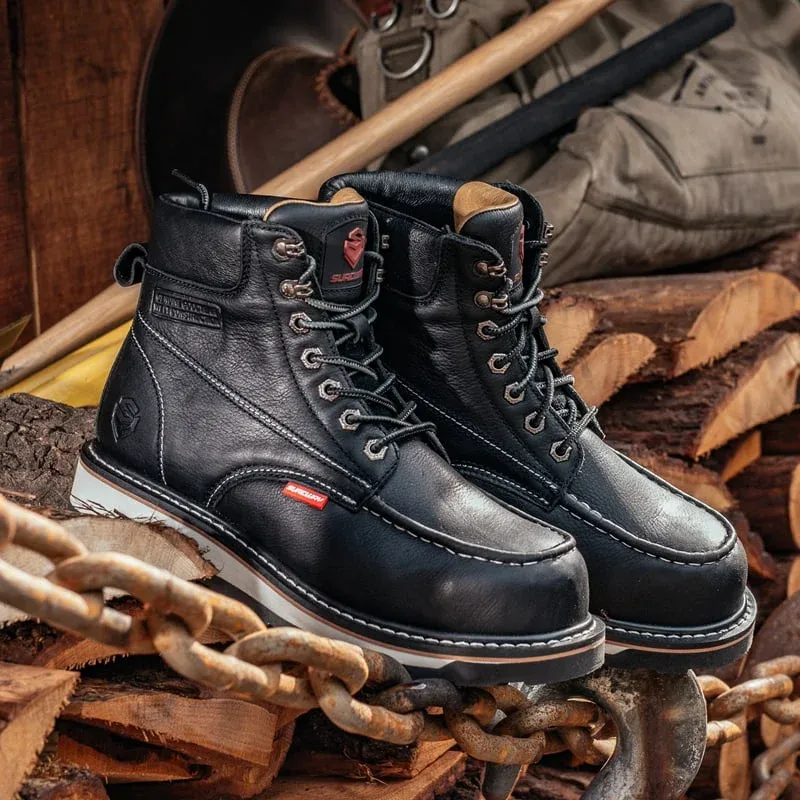
How Composite and Alloy Caps Are Built
Composite toe caps contain zero metal. Manufacturers layer carbon fiber, fiberglass, or Kevlar under heat and pressure to form a rigid, impact-resistant shell. The result is a cap that is completely non-metallic from edge to edge.
Alloy toe caps work differently. They are stamped from aircraft-grade aluminum or titanium alloy. These metals are extremely dense and strong. That natural density allows manufacturers to press very thin cap walls — sometimes 30–50% thinner than composite shells. As a result, alloy boots sit closer to the foot and carry a sleeker silhouette. Composite caps, by contrast, require slightly thicker walls to reach the same strength level, giving the toe box a fuller, rounder look.
When shopping for modern lightweight protection, exploring composite toe work boots gives you a completely non-conductive barrier on active job sites. To see how these modern alternatives compare against traditional heavy steel, review our breakdown of steel vs composite toe cap options.
Weight, Comfort & Safety: composite toe vs alloy toe
Here is how composite and alloy toe caps compare across five critical factors.
|
Factor |
Composite Toe |
Alloy Toe |
|
Weight |
~30% lighter than steel |
~30–50% lighter than steel |
|
Thermal Insulation |
Excellent — non-conductive |
Poor — transfers cold and heat |
|
Electrical Hazard (EH) |
100% non-conductive |
Conductive metal; coating may assist |
|
Metal Detectors |
Passes silently |
Triggers scanners every time |
|
Toe Box Profile |
Fuller, slightly rounded |
Slim and low-profile |
Weight is nearly equal in practice. The real-world difference between the two is only a few ounces per boot.
Thermal performance is where composite pulls clearly ahead. Carbon fiber and fiberglass simply do not conduct temperature. Your toes stay warm in freezing outdoor conditions. Alloy metals, however, transfer cold directly through the cap. During a winter construction shift or a cold-storage workday, that difference is significant.
Electrical hazard protection belongs to composite. Its non-metallic structure provides a natural insulating barrier. Alloy toe boots can sometimes earn an EH rating through insulating coatings, but the core material is still a conductor.
Metal detectors are a practical factor for many workers. Composite boots pass walk-through scanners and hand wands without a beep. Alloy caps trigger them every time, which disrupts workflows at secure facilities and warehouses.
Regardless of your chosen material, verify that both caps meet the certified astm safety shoes guide for 75 foot-pound impact and 2,500-pound compression ratings under ASTM F2413.
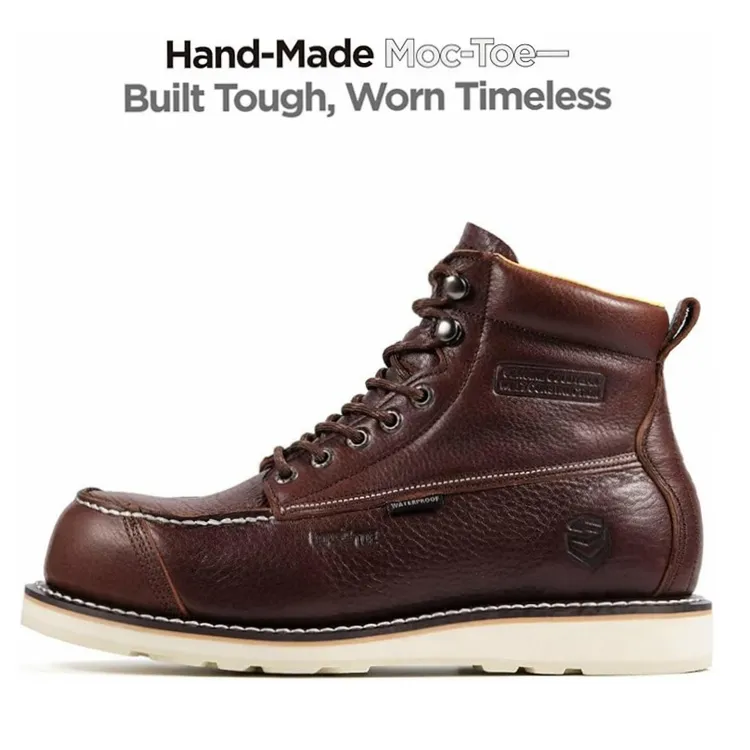
Who Should Wear Which?
Composite toe is the right call if you:
- Work as an electrician or around live electrical circuits
- Spend shifts in cold storage, outdoor winter conditions, or extreme weather
- Pass through security or scanner checkpoints regularly
- Drive long-haul routes and need scanner-friendly footwear at loading docks
For outdoor winter utility with zero cold transfer, insulated waterproof composite toe boots are built to handle sub-zero conditions without sacrificing protection.
Alloy toe makes more sense if you:
- Work in a temperature-controlled indoor environment
- Prefer a slimmer, dressier boot profile
- Want extra lateral room inside the toe box — thin walls leave more interior space
- Work in indoor machining or manufacturing where EH and scanner clearance are not factors
For warehouse shifts with long hours on concrete, lightweight best composite toe boots reduce knee and joint fatigue without setting off scanner alarms at every checkpoint.
How To Choose The Right Work Shoes For Your Working Environment?
Start with your work environment, not the boot's appearance. Ask yourself these three questions before you decide.
Do you work near electricity? If yes, composite is the only safe material choice. Alloy is a conductor at its core.
Do you work in cold or variable temperatures? Composite keeps your toes significantly warmer. Alloy transfers outdoor cold straight to your foot.
Do you pass through security scanners? Composite clears every checkpoint silently. Alloy does not.
If none of those three factors apply, and you work indoors in a climate-controlled space, alloy toe gives you a sleek, low-profile boot at a very similar weight.
Both types deliver identical ASTM F2413 protection. Safety performance is equal across the board. The real decision comes down to thermal management, electrical properties, and the practical demands of your workplace.
Frequently Asked Questions
Q1: Is an alloy toe as strong as a composite toe?
Yes. Both must pass identical ASTM F2413 testing, enduring a 75 foot-pound drop impact and 2,500 pounds of compression. Both provide equal protection against heavy falling objects.
Q2: Does an alloy toe set off airport or security metal detectors?
Yes. Alloy caps contain aluminum and titanium metals, which will trigger walk-through scanners and hand wands. Composite toe boots are 100% non-metallic and pass scanners without beeping.
Q3: Do composite toe boots get cold in the winter?
No. Because composite materials like carbon fiber and fiberglass are thermal insulators, they do not conduct outdoor freezing temperatures, keeping your toes significantly warmer than metal toes.
Q4: Why do alloy toe boots look less bulky than composite boots?
Alloy metals possess higher natural density and tensile strength, allowing manufacturers to create a thinner shell, 30–50% thinner walls, that leaves a sleeker, low-profile exterior.
Q5: Can you replace a cracked composite toe cap?
No safety toe cap, steel, alloy, or composite, can be replaced once compromised. If your boot sustains a major impact or shows visible structural cracking, OSHA mandates replacing the entire boot immediately.
Comment
.webp?w=748&h=748)