Best Slip On Work Boots for Men
Sep 16,2026 | Nancy Sureway
Construction sites and warehouses move fast, and your footwear should keep up. That's why more tradesmen are ditching complicated laces for a quicker option. Finding the best slip on work boots for men means balancing speed, safety, and all-day comfort. These pull on work boots for men let you get dressed in seconds, avoid muddy laces, and still lock your ankle in place. Below, we break down why slip-ons are trending and which models deserve a spot in your locker.
Why Shift to Slip-On Work Boots?
Slip-on boots aren't just a convenience trend — they solve real jobsite problems.
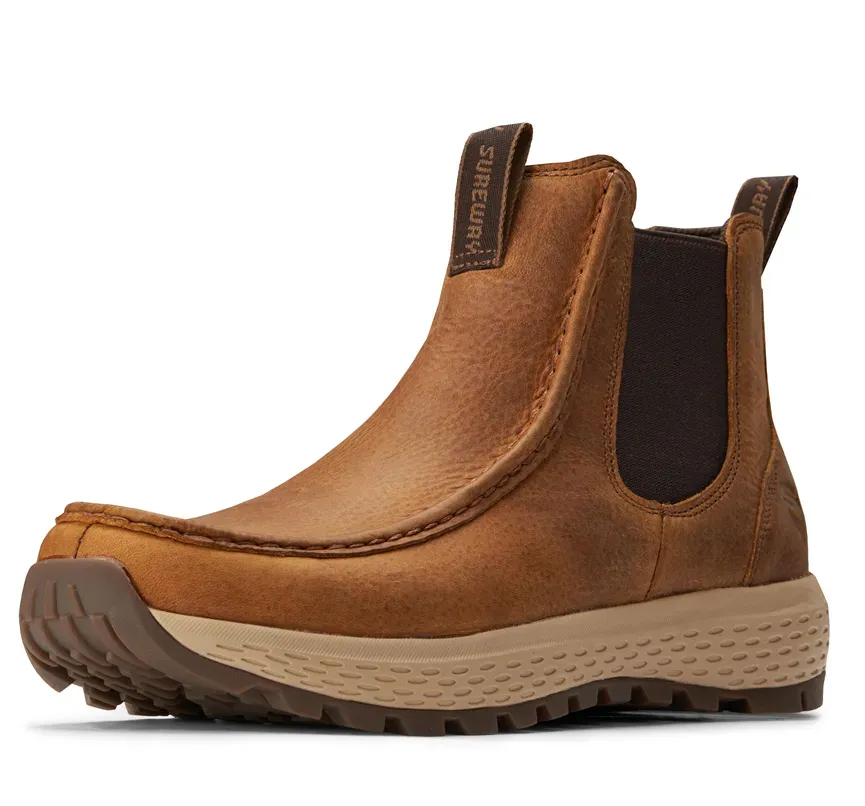
Efficiency & Safety: Without laces, there's nothing to snag on machinery, ladders, or scaffolding. Dual elastic gore panels stretch open in seconds, so you can pull the boot on in roughly three seconds flat, even with gloves on.
All-Day Ergonomics: Modern designs pair shock-absorbing EVA midsoles with double-density, oil-resistant outsoles. This combination cushions your stride on concrete while resisting slips on wet or greasy surfaces.
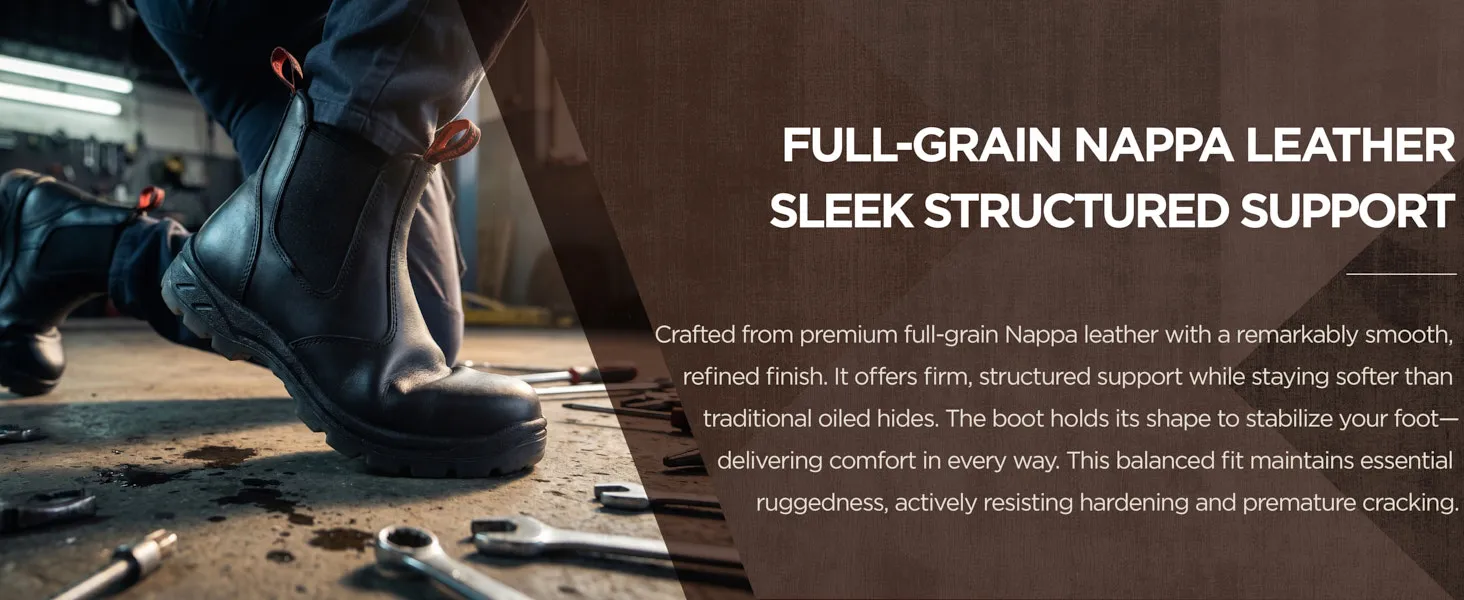
Built to Last: Full-grain leather uppers shrug off abrasion and moisture better than synthetic alternatives, extending the boot's working life.
If you want to browse the full lineup, explore the complete range of durable slip on work boots built specifically for harsh jobsites.
Best Slip On Work Boots for Men from Sureway
Here are three standout models, each suited to a different type of workday.
1. Sureway Composite Toe Slip-On: Best for Electricians & Cold Climates
This model is built for anyone working near live wires or in freezing conditions. Because the toe cap is non-metallic, it won't conduct electricity or cold the way steel does. It also meets ASTM F2413 safety ratings and includes a puncture-resistant Kevlar midsole for extra underfoot protection.
If you need non-metallic safety without added weight, this composite toe slip on delivers superior toe protection while staying light on your feet.
2. Sureway 4-Inch Slip-On: Best Lightweight Low-Cut for Daily Utility
Warehouse staff, delivery drivers, and inspectors often need a boot that breathes and flexes rather than one built for heavy impact. This low-cut option uses soft, broken-in-feel leather and a quick heel pull tab for effortless entry.
For lightweight indoor utility, the 4 inch slip on offers flexible ankle movement and better airflow throughout your shift.
3. Sureway 612 Heavy-Duty Steel Toe Slip-On: Best for Heavy Construction
When you're around heavy equipment and concrete all day, you need maximum impact protection. This boot uses a wider 612 last so your toes aren't cramped, paired with a rugged steel toe cap and an oil- and slip-resistant outsole.
For rugged jobsites handling heavy machinery, choose this slip on style for serious impact resistance without sacrificing daily comfort.
Slip-On vs. Lace-Up: Which Safety Boot Suits Your Workday?
Slip-ons win on speed. There's no lacing routine, no loose ends to catch fire near welding sparks, and no laces collecting mud or debris. Lace-ups, however, offer adjustable tightness, which can matter on uneven terrain or steep ladders.
For flat-to-moderate worksites, quality slip-ons with rigid heel counters perform just as well as 6-inch lace-up boots. Before deciding, check our detailed comparison on slip on vs lace boots to see which one fits your site's safety rules and daily routine.
How to Choose the Most Comfortable Slip On Work Boots
Since you can't tighten a lace, fit matters even more with slip-ons.
Fit & Sizing: Focus on how the boot hugs your instep and vamp. A small amount of heel slip — about a quarter to half an inch — is normal at first and will reduce as the leather breaks in.
Waterproofing & Breathability: Look for treated leather and sealed seams if you work outdoors, but balance this with breathable lining if you're mostly indoors.
Break-In Period: Full-grain leather needs time to mold to your foot. Wear new boots for shorter shifts initially to avoid blisters while the material softens naturally.
Frequently Asked Questions
Q1: Do slip-on work boots provide enough ankle support?
Yes. Quality pull-on work boots utilize rigid heel counters and heavy-duty elastic gore panels that hug the Achilles tendon, offering comparable lateral stability to traditional 6-inch lace-up boots for flat and moderate terrain.
Q2: Should slip-on work boots fit tight or loose when new?
They should feel snug across the instep and vamp with slight heel slip (about 1/4 to 1/2 inch) during initial wear. As the full-grain leather molds to your foot, heel movement decreases naturally.
Q3: Are slip-on safety boots OSHA approved for construction sites?
Yes, provided they carry the certified ASTM F2413 impact and compression ratings (steel toe or composite toe). Always confirm with your site safety manager whether lace-up ankle-height rules apply.
Q4: How do I stop slip-on boots from stretching out too much?
Avoid excessive moisture, never use artificial heat (radiators) to dry soaked leather, and use cedar boot trees between shifts to retain the natural shaft tension and shape.
Q5: Can I wear slip-on work boots in the rain and snow?
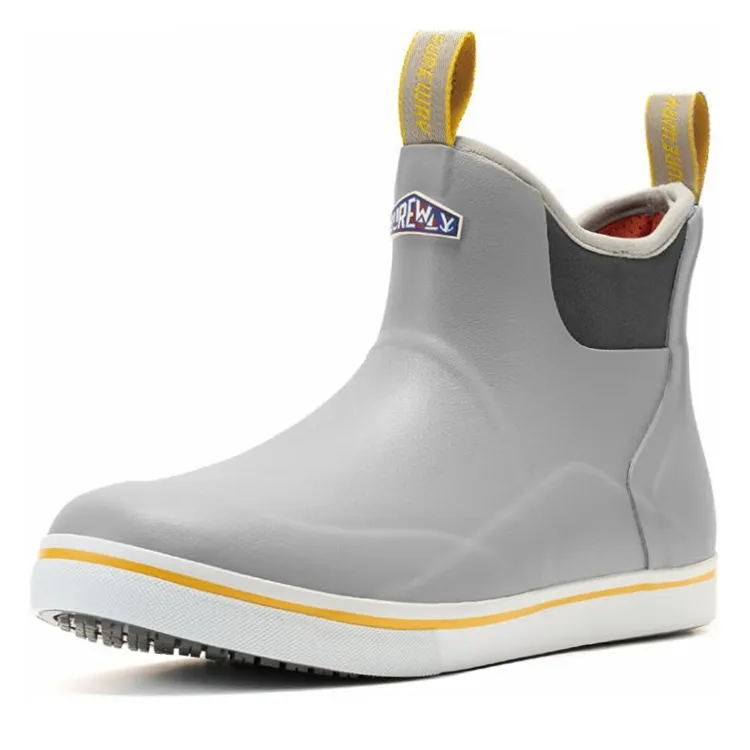
Models with treated waterproof leather and seam-sealed membranes keep feet dry in damp conditions. For deep water or severe mud, opt for pull-on Wellington styles or rubber deck boots instead of elastic-gore Chelsea boots.
Comment