How to Choose the Right Work Safety Boots Mens
Feb 14,2026 | Chad Sureway
Selecting the proper footwear is a critical decision for any professional. Your feet carry you through long shifts, so the right pair of work safety boots mens is not a luxury, but a necessity for protection and comfort. The market offers a vast array of options. Therefore, knowing the key features and types of boots will help you make an informed choice that keeps you safe and comfortable on the job. This guide will walk you through the essential considerations for finding the perfect pair.
Work Safety Boots Mens: Key Features to Consider
When you begin your search for the ideal work boots, three factors should be at the top of your list. These are durability, comfort, and safety compliance. Each element plays a crucial role in the boot's overall performance and your well-being.
Durability and Material Quality
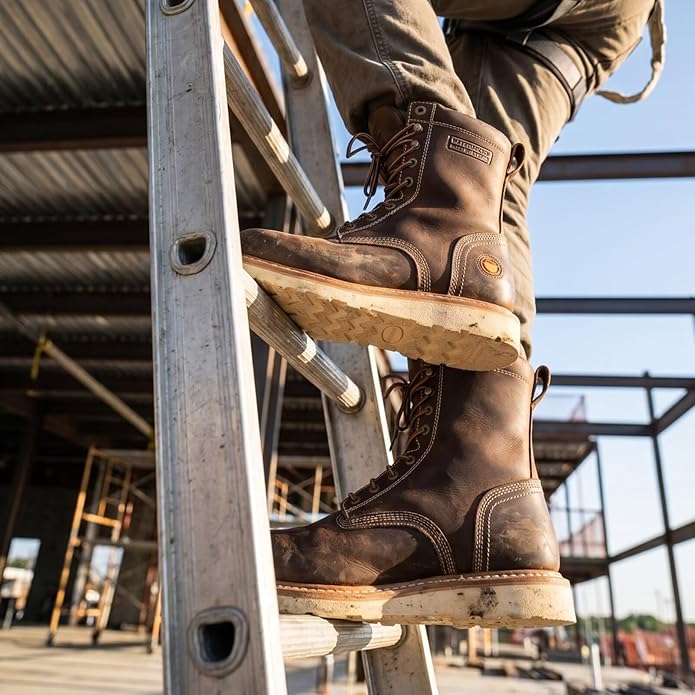
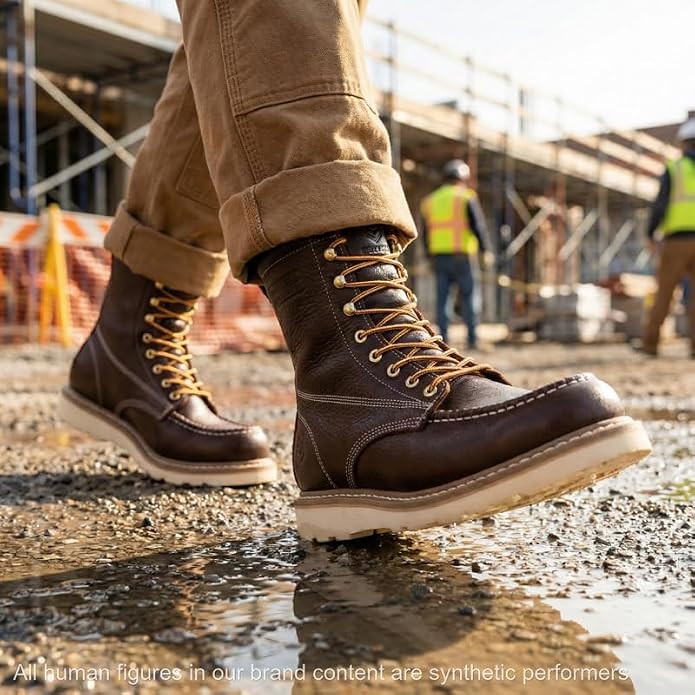
High-quality materials are the foundation of a durable work boot. Full-grain leather is a popular choice. It offers excellent durability, breathability, and water resistance. Additionally, synthetic materials like nylon can provide lightweight flexibility and abrasion resistance. The construction of the boot is equally important. For example, Goodyear welt construction stitches the sole directly to the upper. This method creates a very durable and re-soleable boot, extending its lifespan considerably.
Comfort and Fit for Long Work Hours
You spend a significant amount of time in your work boots. Consequently, comfort is not negotiable. A proper fit prevents blisters, fatigue, and long-term foot problems. Your boots should have enough room to wiggle your toes, but your heel should not slip excessively while you walk. Moreover, features like padded collars, cushioned insoles, and moisture-wicking linings enhance comfort during extended wear. Some boots offer removable insoles, allowing you to use custom orthotics for personalized support.
Compliance with Safety Standards
Your worksite may have specific safety requirements. It is essential that your footwear meets these standards. ASTM International (formerly the American Society for Testing and Materials) sets the benchmark for safety footwear in the United States. Key ASTM standards include ratings for impact resistance (I/75), compression resistance (C/75), and electrical hazard protection (EH). Always check the boot's label or product description to ensure it has the necessary ASTM certifications for your job. Choosing a compliant pair of work safety boots mens is a vital step in workplace safety.
Steel Toe Boots: Maximum Protection for Heavy-Duty Jobs
When your job involves a high risk of falling objects or heavy machinery, steel toe boots are the classic choice for maximum protection. These boots contain a steel cap over the toe area. This reinforcement provides exceptional defense against workplace hazards.
The primary benefit of steel toe boots is their superior resistance to impact and compression. They are built to withstand significant force. This protects your toes from being crushed by heavy equipment or materials. For this reason, industries such as construction, heavy manufacturing, and logistics often mandate their use. If you work around forklifts, heavy tools, or in a warehouse, steel toe boots offer invaluable peace of mind.
Composite Toe Boots: Lightweight and Non-Metallic Safety
For some professionals, a different kind of protection is necessary. Composite toe boots offer a modern, lightweight alternative to their steel counterparts. Instead of steel, these safety caps are made from non-metallic materials like carbon fiber, Kevlar, or plastic.
One major advantage of composite toe boots is their lightweight nature. This can reduce foot fatigue over a long day. In addition, because they are non-metallic, they do not conduct electricity. This makes them the ideal choice for electricians and engineers working in environments with live wires. They also do not conduct heat or cold as readily as steel. This provides better insulation in extreme temperatures. If your workplace uses metal detectors, composite toe boots allow you to pass through without setting them off.
Steel Toe vs. Composite Toe: A Comparison
|
Feature |
Steel Toe Boots |
Composite Toe Boots |
|
Material |
Steel |
Carbon Fiber, Kevlar, Plastic |
|
Weight |
Heavier |
Lighter |
|
Protection |
Excellent impact & compression |
Meets ASTM standards, slightly bulkier |
|
Conductivity |
Conducts electricity, heat, and cold |
Non-conductive, insulates well |
|
Cost |
Generally more affordable |
Often slightly more expensive |
|
Metal Detectors |
Will set off detectors |
Will not set off detectors |
|
Best For |
Construction, manufacturing, heavy industry |
Electricians, airports, extreme temps |
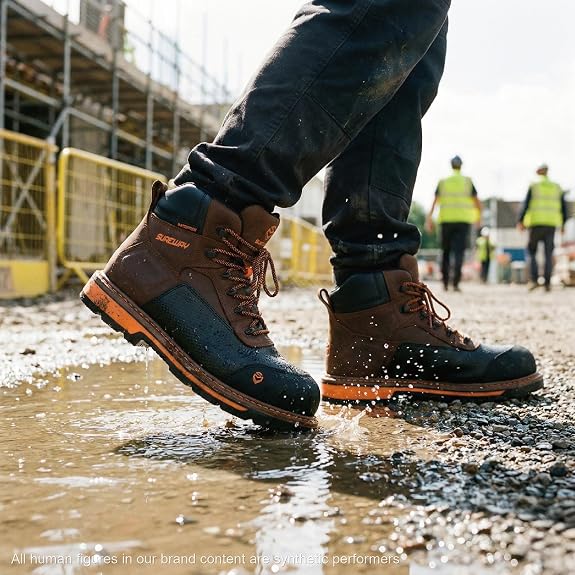
Waterproof Work Boots: Staying Dry in Wet Conditions
Working outdoors or in damp environments presents its own set of challenges. Wet feet are not just uncomfortable; they can lead to blisters, fungal infections, and a dangerous loss of focus. That is where waterproof work boots become essential.
These boots use special materials and construction techniques to keep water out. Many feature a waterproof membrane, which is a liner that blocks moisture from entering while still allowing sweat to escape. This helps keep your feet dry from both external and internal sources. Similarly, sealed seams and water-resistant leathers or synthetic uppers contribute to the overall protection. For landscapers, utility workers, and anyone facing rain or puddles, a reliable pair of waterproof work boots is a must-have for staying dry, comfortable, and safe.
Slip-Resistant Boots: Preventing Workplace Accidents
Slips, trips, and falls are among the most common causes of workplace injuries. A slip-resistant boot is a critical line of defense against these accidents. The key to their effectiveness lies in the outsole.
The soles of slip-resistant boots are made from softer rubber compounds. These compounds provide a better grip on various surfaces. Furthermore, they feature specially designed tread patterns. These patterns channel liquids like water and oil away from the bottom of the boot. This increases the surface area in contact with the ground, which in turn enhances traction. People working in restaurants, healthcare facilities, or automotive shops benefit greatly from the stability provided by slip-resistant boots. Choosing footwear with a high-quality, slip-resistant outsole can significantly reduce your risk of a dangerous fall.
Choosing the Right Work Safety Boots for Your Needs
Ultimately, the right pair of work safety boots mens depends entirely on your specific job and personal needs. First, assess the primary hazards of your work environment. Do you need protection from impact, electrical currents, or slippery floors? Next, consider the physical demands of your day. Will you be standing for long hours or walking across uneven terrain? Answering these questions will guide you toward the features that matter most. Remember to prioritize a proper fit to ensure all-day comfort. By carefully considering durability, safety ratings, and specialized features, you can select a boot that will serve as a reliable partner on the job.
Frequently Asked Questions About Work Safety Boots
- What are the differences between steel toe and composite toe boots?
Steel toe boots offer maximum protection, while composite toe boots are lighter and non-metallic.
- Are waterproof work boots breathable?
Yes, many waterproof boots use breathable membranes like Gore-Tex.
- How do I ensure my work boots fit properly?
Measure your feet accurately and try boots with the socks you’ll wear at work.
- What certifications should I look for in safety boots?
Look for ASTM F2413-11 M I/75 C/75 EH certifications.
- How often should I replace my work boots?
Replace them when they show signs of wear, such as sole damage or loss of waterproofing.
Comment