Best Construction Shoes for Safety and Comfort
Feb 13,2026 | Chad Sureway
Finding the right footwear for a construction site is a critical decision. It directly impacts your safety, comfort, and daily productivity. The right pair protects you from job site hazards. Therefore, choosing the best construction shoes is an investment in your well-being. In this guide, Sureway will help you know the essential features, explore top choices for different needs, and learn how to maintain your boots for a long life.
Key Features to Look for in Construction Shoes
Selecting your footwear requires careful thought. You need to consider several key features to ensure you get the best protection and support. Durable construction shoes are a must, but other elements are equally important.
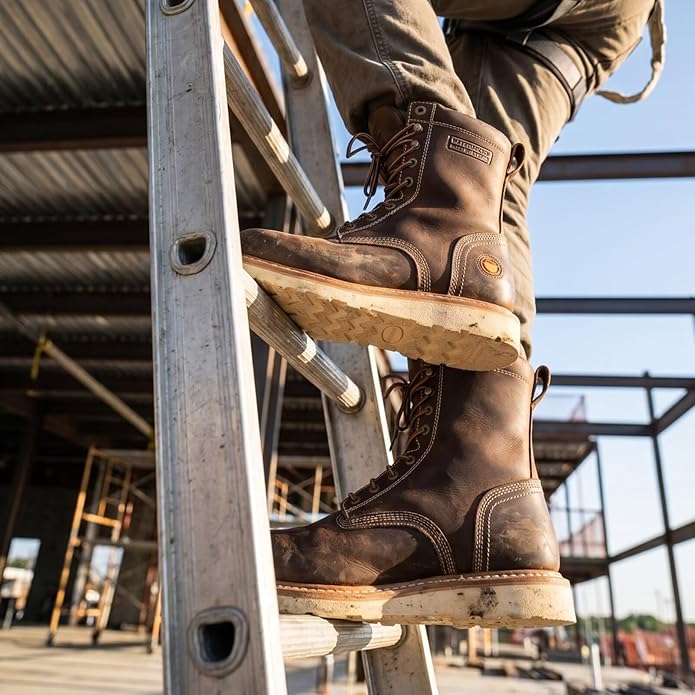
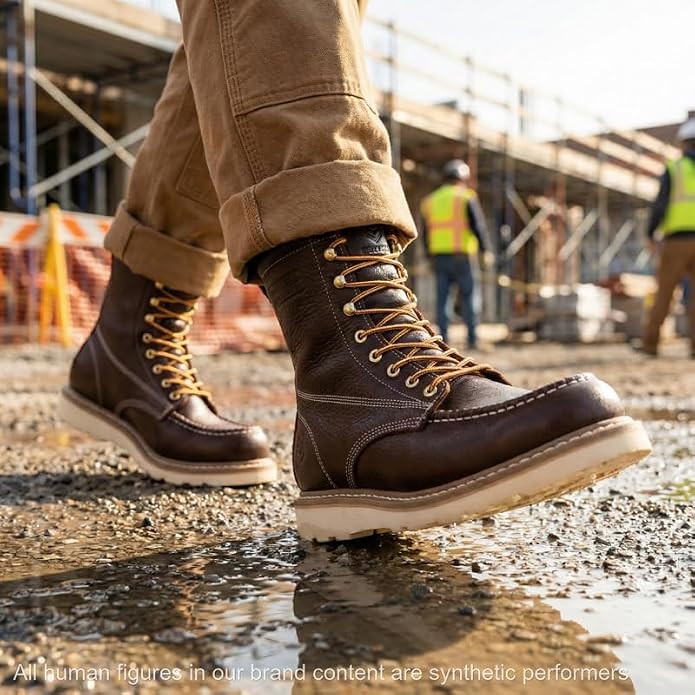
First, consider the material. Full-grain leather is a popular choice for its durability and resistance to wear and tear. It molds to your foot over time, offering a custom fit. Additionally, look for strong stitching, such as Goodyear welt construction. This method stitches the upper part of the shoe to the sole, creating a very durable and water-resistant bond.
Next, safety toes are non-negotiable on most sites. Steel toes offer the maximum protection against compression and impact. However, composite toes, made from materials like carbon fiber or plastic, are a lighter alternative. They still meet safety standards but do not conduct cold or electricity.
After that, check the outsole. A slip-resistant outsole is vital for maintaining traction on slick or uneven surfaces. Look for deep lugs and a tread pattern designed to channel away water and oil. Furthermore, some of the best construction shoes offer puncture-resistant plates in the sole to protect you from sharp objects like nails.
Finally, do not overlook comfort. You spend long hours on your feet. Features like padded collars, cushioned insoles, and moisture-wicking linings make a significant difference. The best construction shoes for you will balance rugged protection with all-day comfort.
Top-Rated Construction Shoes for Different Needs
Your specific job tasks determine the ideal boot for you. A roofer's needs differ from a concrete worker boots. Below, we explore options tailored for various work environments.
For Heavy-Duty Work: Steel-Toe Boots
When your job involves heavy machinery, falling objects, or significant compression risks, steel-toe boots are the gold standard. They provide the highest level of impact protection. These boots often feature reinforced construction throughout the entire shoe. For instance, many heavy-duty models include metatarsal guards. These guards protect the delicate bones on the top of your foot.
These durable construction shoes are built to withstand the harshest conditions. They usually feature thick, oil-resistant rubber outsoles. This provides excellent grip and stability. While they can be heavier than other options, the unparalleled protection makes them essential for demolition, framing, and operating heavy equipment.
For Lightweight Comfort: Composite-Toe Options
If your work demands constant movement, climbing, or long hours of walking, lightweight comfort becomes a priority. Composite-toe boots offer an excellent solution. They meet ASTM safety standards for impact and compression but weigh significantly less than steel-toe boots. This reduction in weight can lessen foot fatigue over a long day.
Another key point is that composite materials do not conduct electricity. This makes them a safer choice for electricians or anyone working near live wires. They also do not transfer cold temperatures as readily as steel. Consequently, they are a more comfortable option in cold weather. Many lightweight models also incorporate flexible materials and athletic-shoe designs. This improves agility without sacrificing protection.
For Wet Environments: Waterproof and Slip-Resistant Shoes
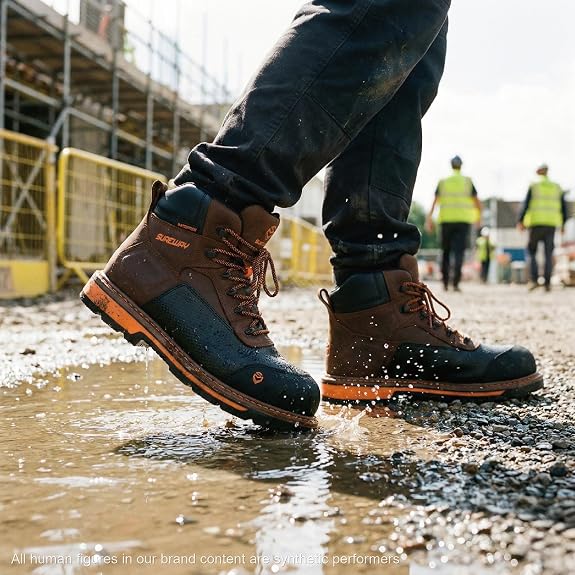
Working in wet, muddy, or slick conditions poses unique challenges. For this reason, waterproof and slip-resistant shoes are crucial. This technology keeps your feet dry from external moisture while allowing sweat to escape. Keeping your feet dry helps prevent blisters and fungal infections.
In addition to waterproofing, the outsole is critical. The best shoes for wet environments have a specialized tread pattern. These treads are designed to provide maximum surface contact and channel water away effectively. Look for certifications like "SR" or "slip-resistant" to ensure the boots have been tested for performance on slippery surfaces. These features are vital for anyone working outdoors, in plumbing, or on freshly poured concrete.
Maintenance Tips for Construction Shoes
Investing in high-quality construction shoes for work is only the first step. Proper care extends their lifespan and ensures they continue to perform at their best. A few simple maintenance habits can save you money in the long run.
Cleaning and Waterproofing
Regularly cleaning your work boots is essential. Dirt and mud can break down leather and fabric over time. At the end of each day, use a brush to remove loose debris. For a deeper clean, use a mild soap and water solution. However, avoid harsh chemicals that can damage the materials.
After cleaning, allow your boots to air dry naturally. Do not place them near a direct heat source, as this can cause leather to crack. Once they are dry, apply a waterproofing treatment or leather conditioner. This process replenishes essential oils in the leather. It also reinforces the water barrier, keeping your feet dry and the material supple. Proper cleaning of work boots is a simple yet effective task.
Replacing Insoles
The insoles that come with your boots will eventually wear out. They compress and lose their cushioning ability. This can lead to foot, knee, and back pain. Fortunately, replacing them is an easy and affordable fix.
You can purchase aftermarket insoles designed for work boots. Many offer superior cushioning, arch support, and shock absorption compared to stock insoles. For best results, choose an insole that matches your foot type and support needs. Replacing them every six months, or as soon as you notice a decrease in comfort, can make a world of difference.
Resoling Options
The outsole is often the first part of a high-quality boot to wear out. If the upper part of your boot is still in good condition, resoling can be a cost-effective option. This is particularly true for boots made with Goodyear welt construction, which are designed to be resoled.
A professional cobbler can remove the old, worn-out sole and attach a new one. This can restore the boot's traction and support to near-new condition. Resoling not only saves you the cost of a new pair of boots but also allows you to keep a pair that has already been comfortably broken in. It is a sustainable choice that helps extend your shoe's lifespan significantly.
Five Common Questions and Answers
- What are the best construction shoes for wet environments?
Look for waterproof shoes with slip-resistant soles, such as those with ASTM F3445 certification.
- Are composite-toe shoes as safe as steel-toe shoes?
Yes, composite-toe shoes meet the same safety standards but are lighter and non-metallic.
- How do I choose the right size for construction shoes?
Measure your feet at the end of the day and consider brands offering wide or narrow options for a better fit.
- What is the difference between slip-resistant and oil-resistant soles?
Slip-resistant soles provide traction on wet surfaces, while oil-resistant soles prevent degradation from oil exposure.
- How often should I replace my construction shoes?
Replace them every 6-12 months or when the soles wear out, safety features degrade, or they no longer provide adequate support.
Comment