What Are Steel Toe Waterproof Work Boots
Feb 11,2026 | Chad Sureway
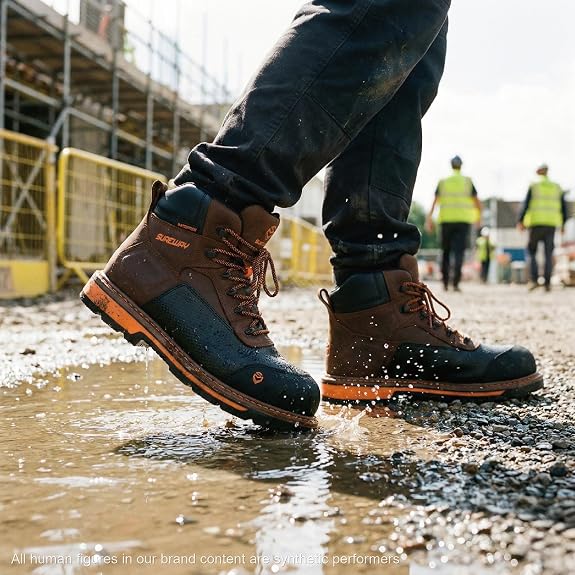
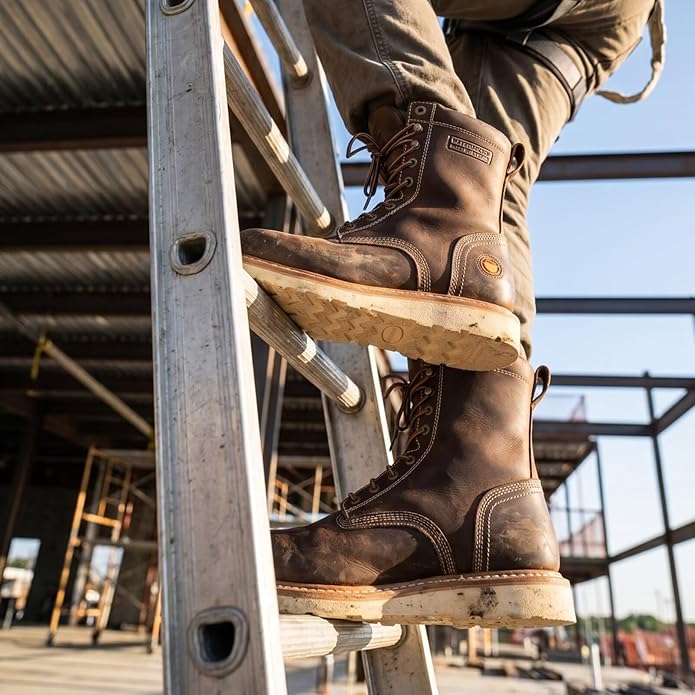
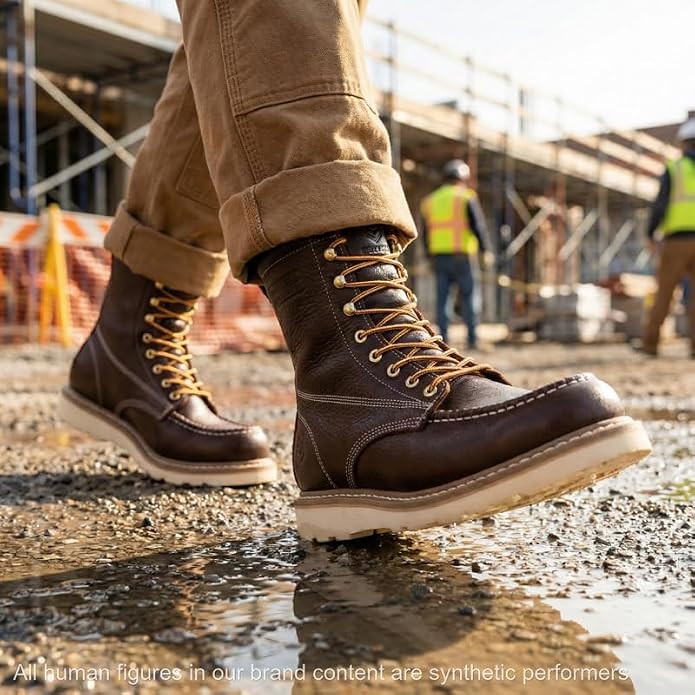
Work boots are essential for many demanding jobs. The right pair protects your feet and provides comfort throughout the day. Specifically, steel toe waterproof work boots offer a combination of safety and weather protection. These boots are a staple for workers in construction, manufacturing, and outdoor industries. They shield your feet from heavy objects and keep them dry in wet environments. This unique blend of features makes them a valuable investment for professionals.
Benefits of Steel Toe Waterproof Work Boots
Choosing the right footwear has a direct impact on your daily safety and comfort. Steel toe waterproof work boots provide several key advantages. These benefits make them a superior choice for challenging work conditions.
Safety Features
Safety is the primary reason to invest in a quality pair of work boots. These boots come with specific features designed to prevent common workplace injuries. For instance, the reinforced toe is a critical component.
- Protection against heavy impacts: The steel cap in the toe area protects your feet from falling objects. This is crucial on job sites with heavy machinery or materials. It prevents crushing injuries. Furthermore, it helps you work with confidence around potential hazards.
- Electrical hazard resistance: Many steel toe boots are also rated for electrical hazards (EH). This feature provides a secondary source of protection against accidental contact with live electrical circuits. Consequently, it reduces the risk of electric shock. Workers around electricity find this feature indispensable.
Waterproofing
Working outdoors or in wet indoor environments requires footwear that can handle moisture. The waterproofing in these boots is a significant benefit. It keeps your feet comfortable and healthy.
- Keeps feet dry in wet conditions: A waterproof membrane or treated leather prevents water from seeping into the boot. Your feet remain dry during rain, snow, or when walking through puddles. Dry feet are less prone to blisters and fungal infections.
- Prevents water damage to the boots: Moisture can degrade boot materials over time. The waterproof construction not only protects your feet but also extends the life of the boots. It prevents the leather from cracking and the seams from weakening.
Durability
Work boots face constant abuse. They need to be tough enough to withstand daily wear and tear. Durability is a hallmark of high-quality steel toe waterproof work boots.
- Long-lasting materials: Manufacturers use robust materials like full-grain leather and high-grade rubber. These materials are chosen for their strength and resilience. As a result, the boots last longer, even with heavy use.
- Resistance to wear and tear: The construction of these boots includes reinforced stitching and sturdy soles. They are built to resist abrasions, cuts, and punctures. This durability means you will not need to replace your boots frequently, saving you money in the long run.
Key Features to Look for in Steel Toe Waterproof Work Boots
When shopping for work boots, you will encounter many different features. Knowing the most important ones helps you make an informed decision. Look closely at the material, toe protection, sole design, and other additional features.
Material
The material of the boot affects its durability, comfort, and waterproofing. Full-grain leather is a popular choice. It is naturally durable and water-resistant. With proper care, a leather boot can last for years. Synthetic materials, such as nylon, also offer excellent durability and are often lighter than leather.
Toe Protection
The steel toe is a defining feature. However, other options exist. Composite toes are made from non-metal materials like carbon fiber, plastic, or Kevlar. They provide similar impact protection but are lighter than steel. Additionally, they do not conduct electricity or temperature, which can be an advantage in certain environments.
Sole Design
The sole is critical for traction and support. Look for outsoles made from rubber or thermoplastic polyurethane (TPU). These materials offer excellent grip on various surfaces. A deep lug pattern enhances traction on uneven or slippery ground. For this reason, many models are specifically marketed as slip-resistant work boots. The midsole provides cushioning and support. Materials like EVA or polyurethane offer good shock absorption.
Additional Features
Many boots come with extra features for enhanced comfort and protection. Insulated steel toe boots contain a layer of insulation to keep your feet warm in cold weather. This is essential for workers in cold climates or refrigerated environments. Other features might include anti-fatigue technology, which provides extra cushioning for long days on your feet, or puncture-resistant plates in the sole for protection against sharp objects.
|
Feature |
Specification |
Comparison |
|
Toe Material |
Steel |
Pros: Maximum protection, industry standard. Cons: Heavy, conducts temperature. |
|
Composite |
Pros: Lightweight, doesn't conduct electricity/temperature. Cons: Bulkier than steel for same rating. |
|
|
Upper Material |
Full-Grain Leather |
Pros: Very durable, breathable, classic look. Cons: Requires maintenance, can be heavy. |
|
Synthetic (Nylon, etc.) |
Pros: Lightweight, often more affordable, requires less maintenance. Cons: Can be less breathable than leather. |
|
|
Waterproofing |
Waterproof Membrane |
Pros: Excellent water protection, breathable. Cons: Can add to the cost. |
|
Treated Leather |
Pros: Good water resistance. Cons: Requires regular re-treatment to maintain effectiveness. |
|
|
Outsole |
Rubber |
Pros: Excellent slip resistance, durable. Cons: Can be heavy. |
|
TPU (Thermoplastic Polyurethane) |
Pros: Lightweight, good abrasion resistance. Cons: Can be less flexible in cold. |
|
|
Insulation |
Thinsulate™ or similar |
Pros: Provides warmth without significant bulk. Cons: Not needed for warm climates, adds cost. |
How to Choose the Right Pair for Your Needs
Selecting the perfect pair of steel toe waterproof work boots depends on your specific circumstances. Consider your work environment, the importance of fit, and your budget.
Work Environment
Your job site is the most important factor in your decision.
- Wet vs. dry conditions: If you frequently work in rain, snow, or mud, a robust waterproof membrane is a necessity. For drier conditions, water-resistant treated leather may suffice.
- Heavy-duty vs. light-duty tasks: Construction or logging requires maximum durability and protection. For warehouse or light manufacturing work, you might prioritize a lightweight waterproof work boot for greater comfort and mobility.
Fit and Comfort
A poorly fitting boot can cause pain and fatigue. Proper fit is non-negotiable for footwear you wear all day.
- Importance of proper sizing: Always try on boots at the end of the day when your feet are slightly swollen. Wear the same type of socks you would wear for work. There should be enough room to wiggle your toes, but your heel should not slip.
- Wide vs. regular widths: Many people have wider feet than a standard boot allows. Trying on boots available in wide sizes can make a significant difference in comfort. An ill-fitting boot can lead to blisters, bunions, and other foot problems.
Budget Considerations
Work boots are an investment in your safety and well-being. Prices can range significantly. While it might be tempting to choose the cheapest option, a more expensive boot often uses higher-quality materials and construction. This means it will likely last longer and provide better protection and comfort. Consider the long-term value. A durable, comfortable boot is worth the initial cost.
Frequently Asked Questions
- Are steel toe waterproof boots comfortable for all-day wear?
Yes, many brands include cushioned insoles and ergonomic designs for comfort.
- Can steel toe boots be used in cold weather?
Insulated options are available for cold environments.
- How do I know if my boots meet safety standards?
Look for ASTM F2413-18 certification on the label.
- What’s the difference between steel toe and composite toe?
Steel toe offers maximum protection, while composite toe is lighter and non-metallic.
- How often should I replace my work boots?
Replace them when the soles wear out or the waterproofing fails.
Comment