A Guide to High Quality Work Boots for Buyer
Feb 10,2026 | Chad Sureway
Finding the right gear for your job is essential for safety and performance. When you are on your feet all day, investing in high quality work boots is one of the smartest decisions you can make. Your feet carry you through tough terrain, dangerous job sites, and long shifts. Consequently, wearing subpar footwear can lead to fatigue, injury, and long-term health issues. This guide will walk you through everything you need to know to select the best pair for your specific needs.
What High Quality Work Boots Offer
Not all boots are created equal. When browsing for your next pair, you need to look for specific features that define truly high quality work boots. Knowing these components helps you distinguish between a boot that lasts six months and one that lasts years.
Durability: Materials and Construction
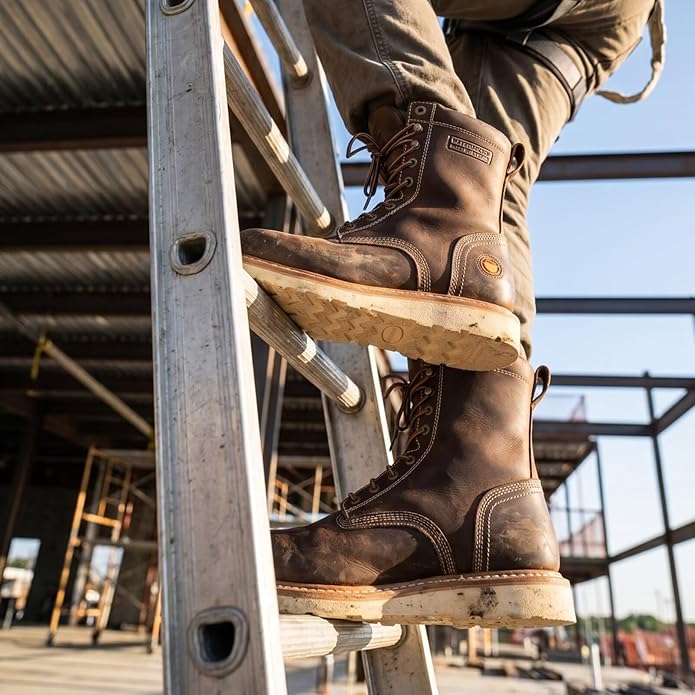
The primary indicator of high quality work boots is durability. You want boots that can withstand harsh conditions without falling apart. Full-grain leather is often the gold standard. It resists water and resists abrasion better than synthetic materials. Furthermore, look for Goodyear welt construction. This method stitches the upper part of the boot to the sole rather than just gluing it. This allows you to resole the boots later, extending their lifespan significantly. Durable work boots are an investment that pays off over time.
Comfort: Support for Long Shifts
Comfort is not a luxury; it is a necessity. Even the toughest boots are useless if they hurt your feet. Look for features like cushioned insoles and arch support. These elements reduce strain on your feet and back. Additionally, consider the break-in period. Some heavy-duty leather boots require time to mold to your feet. However, many modern comfortable work boots come with technology that offers immediate comfort right out of the box. A proper fit ensures you can focus on your work, not your blisters.
Safety: Protection on the Job
Safety features are non-negotiable in many industries. High quality work boots must meet specific safety standards. Slip-resistant soles are crucial for preventing falls on oily or wet surfaces. Electrical hazard (EH) protection is vital for electricians and anyone working near live wires. Moreover, a protective toe cap is standard for construction and heavy industry. Whether you need Steel Toe Boots or a composite alternative, safety should always be a top priority.
Selecting High Quality Work Boots
Different jobs require different tools, and footwear is no exception. Manufacturers design specific types of high quality work boots to tackle various environmental challenges. Knowing the differences helps you choose the right tool for the job.
Waterproof Boots for Wet Environments
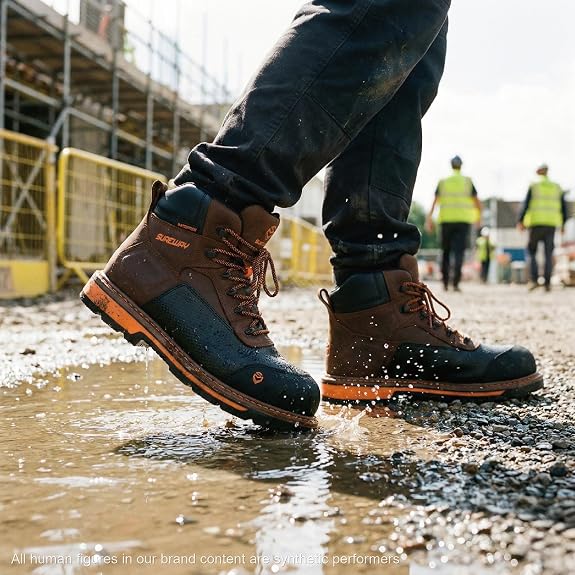
If you work outdoors or in damp conditions, dry feet are essential. Waterproof Boots use special membranes like Gore-Tex. These liners keep water out while allowing sweat to escape. Wet feet can lead to trench foot, blisters, and fungal infections. Therefore, ensuring your boots have reliable waterproofing is critical for your health and comfort.
Insulated Boots for Cold Weather
Working in freezing temperatures requires specialized gear. Insulated boots contain layers of thermal material to trap body heat. The level of insulation is usually measured in grams. For example, 200 grams is suitable for cool autumn days, while 600 grams or more is better for sub-zero winter conditions. High quality work boots with proper insulation keep your blood circulating and prevent frostbite.
Steel Toe vs. Composite Toe Boots
Toe protection is a major category in work footwear. Steel toe work boots offer the maximum protection against crushing injuries. They are the traditional choice for heavy construction. However, they can be heavy and conduct cold. In contrast, Composite Toe Boots use materials like carbon fiber or plastic. They are lighter and do not conduct temperature, making them excellent for passing through metal detectors. Both options can be found in high quality work boots, so the choice depends on your specific daily hazards.
Specifications and Comparison of Work Boot Features
To help you decide, here is a detailed comparison of common features found in high quality work boots.
|
Feature |
Steel Toe |
Composite Toe |
Soft Toe |
|
Protection Level |
High (Heavy impact/compression) |
High (Meets safety standards) |
Low (No impact protection) |
|
Weight |
Heavy |
Lightweight |
Lightest |
|
Temperature |
Conducts cold/heat |
Neutral |
Neutral |
|
Metal Detector |
Sets off alarms |
Airport friendly |
Airport friendly |
|
Best Use |
Construction, Heavy Machinery |
Electricians, General Safety |
Landscaping, Light Duty |
|
Material |
Durability |
Water Resistance |
Breathability |
Maintenance |
|
Full-Grain Leather |
Excellent |
Good (Natural) |
Moderate |
Needs oiling/conditioning |
|
Nubuck/Suede |
Moderate |
Low |
Good |
Stain prone, needs spray |
|
Synthetic/Nylon |
Moderate |
High (often treated) |
Excellent |
Low maintenance |
|
Rubber |
High |
Excellent (100%) |
Low |
Very low maintenance |
How to Choose the Right High Quality Work Boots
Selecting the perfect pair goes beyond just picking the right size. You must evaluate your specific work environment.
First, assess the hazards. Do you need protection from falling objects? Then steel toe work boots are likely required. Do you work in an area with potential electrical shocks? Ensure the boot is EH rated.
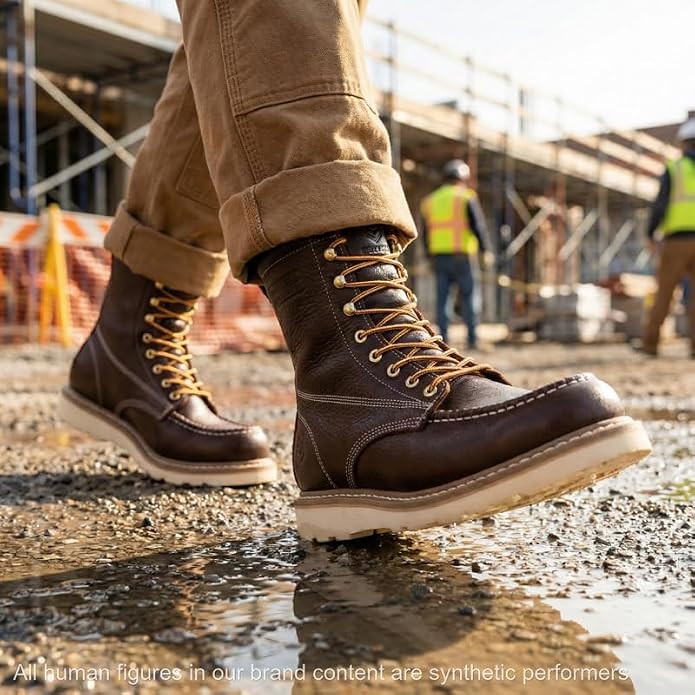
Second, consider the terrain. If you walk on concrete all day, you need wedge soles with maximum cushioning. If you work in mud or loose dirt, you need a lug sole with deep treads for traction. High quality work boots offer specialized outsoles for these distinct surfaces.
Third, get the fit right. Try boots on at the end of the day when your feet are slightly swollen. This ensures they won't be too tight during a long shift. Wear the same socks you plan to wear at work. Proper fit prevents friction and ensures the safety features align correctly with your toes.
Maintenance Tips for High Quality Work Boots
Once you purchase high quality work boots, you must take care of them. Proper maintenance extends their life and keeps them safe.
Clean them regularly. Remove mud and dirt with a soft brush. Dirt can dry out leather, causing it to crack. If they are very dirty, use a mild soap and water.
Condition the leather. Leather is skin. It needs moisture to stay flexible. Apply a leather conditioner or mink oil every few months. This keeps the material soft and improves water resistance.
Dry them properly. Never dry leather boots near a direct heat source like a radiator or fire. This causes the leather to stiffen and crack. Instead, remove the insoles and let them air dry naturally. You can stuff them with newspaper to absorb moisture from the inside.
Check the soles. Inspect the treads regularly. Worn-out soles lose traction and increase the risk of slips. If you bought boots with Goodyear welt construction, you can take them to a cobbler for resoling.
By following these steps, your high quality work boots will serve you well for a long time. They are the foundation of your work gear. Treat them with respect, and they will protect you in return.
Common Questions and Answers:
- What are the most durable work boots?
Brands like Red Wing, Thorogood, and White's Boots are known for their durability.
- Are steel toe boots necessary for all jobs?
Steel toe boots are essential for jobs involving heavy machinery or falling objects.
- How do I break in new work boots?
Wear them for short periods initially, use leather conditioner, and pair with thick socks.
- What makes Goodyear welt construction special?
It ensures durability and allows for easy resoling, extending the boot's lifespan.
- Are waterproof work boots breathable?
Many waterproof boots use breathable materials like Sureway to keep feet dry and comfortable. You can visit and browse the best sellers of our work boots.
Comment