Lightweight Work Boots: Features and Benefits
Feb 16,2026 | Chad Sureway
Your feet carry you through long shifts. Every step counts on a job site. Heavy footwear drags you down over time. A reliable pair of lightweight work boots creates a huge difference in your daily energy levels. Many professionals now prefer lighter options over traditional heavy stompers. You maintain protection without the extra bulk. We will explore the specific advantages and top models available today.
Why Choose Lightweight Work Boots?
Professionals in various industries face physically demanding days. Construction workers, warehouse staff, and mechanics stay on their feet for hours. Heavy boots add unnecessary strain to your legs and back. Lightweight work boots offer a practical solution to this common problem.
Reducing Fatigue and Improving Mobility
Fatigue strikes hard after lunch. Your legs feel like lead weights. Lighter footwear combats this feeling directly. Every ounce shaved off your boots adds up over thousands of steps. You save energy with each movement. Workers report more stamina at the end of a shift when wearing lighter gear.
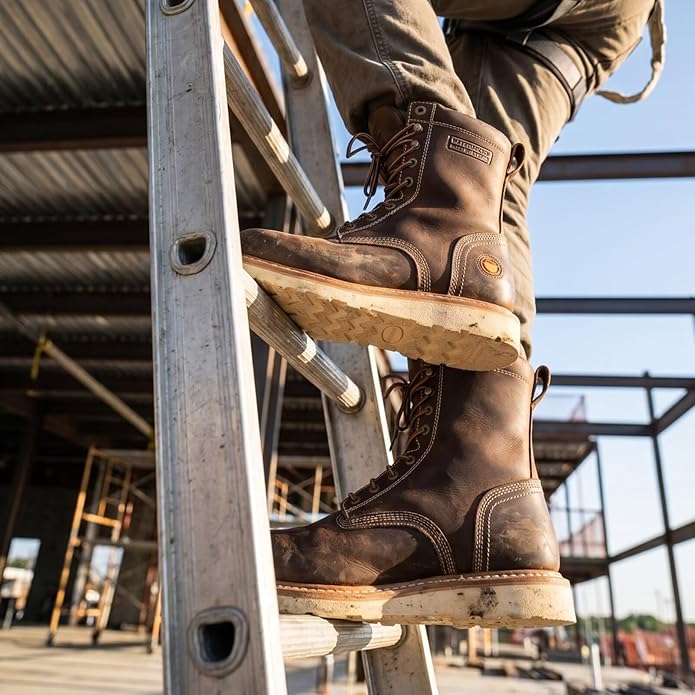
Mobility also improves significantly. You climb ladders faster. You navigate scaffolding with better balance. Mens light work boots allow for quick reactions in hazardous environments. Heavy boots often feel clumsy. Lighter options feel like an extension of your foot. You move naturally and efficiently.
Comparison with Traditional Heavy-Duty Boots
Traditional boots prioritize maximum armor. They often use thick steel shanks and heavy rubber outsoles. These features provide immense durability. However, they sacrifice comfort. The break-in period for heavy boots often lasts weeks. Blisters and sore arches become common complaints.
Lightweight work boots use modern materials to bridge the gap. They offer protection without the weight penalty. Manufacturers now use advanced synthetics and lighter alloys. You get the safety you need without the "cement block" feeling. Traditional boots still serve a purpose in extreme demolition. Yet, for general tasks, light duty options perform better.
Features to Look for in Lightweight Work Boots
You must know what makes a boot light and safe. Not all light boots offer adequate protection. You need a balance of safety features and weight reduction. Pay attention to materials and construction methods.
Materials: Composite Toe vs. Steel Toe
The safety toe contributes the most weight to a boot. Steel toes provide classic, proven protection. They withstand immense compression. However, steel is heavy. Steel also conducts cold temperatures. Your toes freeze in winter with steel caps.
Composite toes utilize materials like carbon fiber, Kevlar, or plastic. These materials weigh significantly less than steel. They meet the same ASTM safety standards for impact and compression. Light boots for work often feature these composite toes. They do not conduct heat or cold. This keeps your feet comfortable in varying temperatures. You pass through metal detectors easily with composite toes.
Waterproof and Insulated Options
Wet feet ruin a workday instantly. Water adds weight to leather boots. You need effective waterproofing. Look for boots with breathable waterproof membranes. These liners stop water from entering. They also let sweat vapor escape. Your feet stay dry from both outside rain and inside sweat.
Insulation adds warmth without much weight. Modern synthetic insulation traps heat efficiently. Thinsulate is a common choice. It keeps bulk low. You do not need thick, heavy wool linings anymore. Light duty work boots with proper insulation work well in cooler months.
Slip-Resistant Soles and Durability
A light boot must still grip the ground. Slipping causes many workplace injuries. Look for outsoles with oil and slip resistance. Manufacturers use specific rubber compounds for this. These soles provide traction on wet concrete or slick tile.
Durability remains a concern with lighter materials. However, technology has improved. Nylon shanks replace heavy steel shanks for support. Direct-attach construction bonds the sole to the upper without heavy stitching. This creates a lasting bond. High-quality leather or reinforced textiles withstand abrasion. You get a long lifespan from your lightweight work boots.
Specifications and Comparison
Different jobs require different specs. Review this table to know the trade-offs between typical heavy and light boots.
|
Feature |
Traditional Heavy-Duty Boots |
Lightweight Work Boots |
|
Toe Material |
Steel |
Composite / Alloy |
|
Weight (per boot) |
2.5 - 4 lbs |
1.0 - 2.0 lbs |
|
Flexibility |
Stiff, requires break-in |
Flexible, ready to wear |
|
Midsole |
Steel Shank |
Nylon / Fiberglass Shank |
|
Sole Construction |
Goodyear Welt (often heavier) |
Cement / Direct Attach |
|
Fatigue Level |
High after 8 hours |
Low after 8 hours |
|
Best Use |
Demolition, heavy logging |
Warehousing, carpentry, light construction |
Top Picks for Men's Work Boots
Finding the right model matters. Sureway offers a range of boots balancing durability and comfort. Here are four strong contenders.
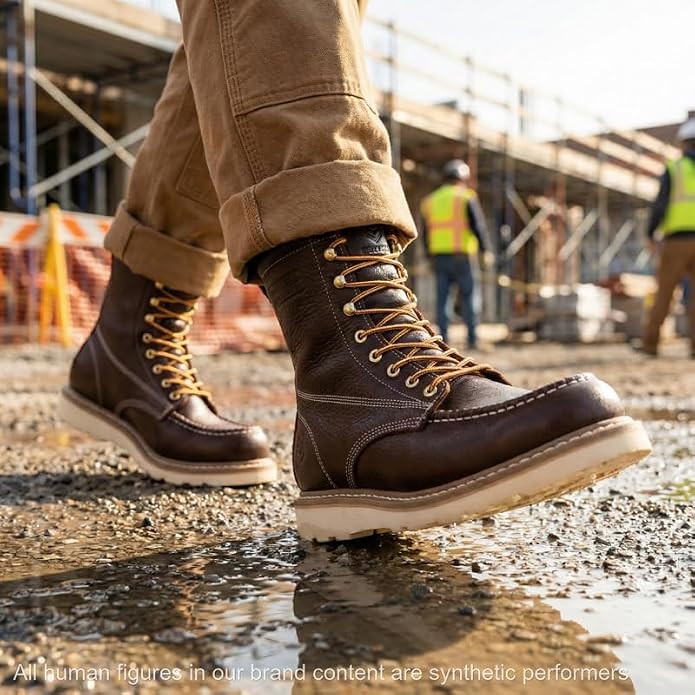
1. Sureway Men's Moc Toe Work Boots 601
The Sureway Men's Moc Toe 601 brings classic style to the job site. The moccasin toe design offers extra room for your toes. This helps if your feet swell during a long day. The wedge sole provides a flat surface contact. This feature increases stability on concrete floors. It minimizes pressure points on your feet.
Construction quality stands out here. The leather upper resists wear and tear. Goodyear welt construction ensures the sole stays attached. While welt construction adds some weight, the design focuses on all-day standing comfort. Workers seeking a blend of style and function enjoy this model.
2. SUREWAY Men's Boots Fashion and Comfort Work Casual Dress Boots
Some jobs require a professional look. You might move between the office and the warehouse. These Sureway boots fit that niche perfectly. They resemble a casual dress boot but possess work-ready features. The aesthetic is clean and modern.
Comfort remains a priority. The insole provides cushioning for walking. The outsole handles light hazards. You would not wear these for pouring concrete. However, for supervisors or logistics managers, they work great. They pair well with jeans or work pants. You avoid the clunky look of standard safety footwear.
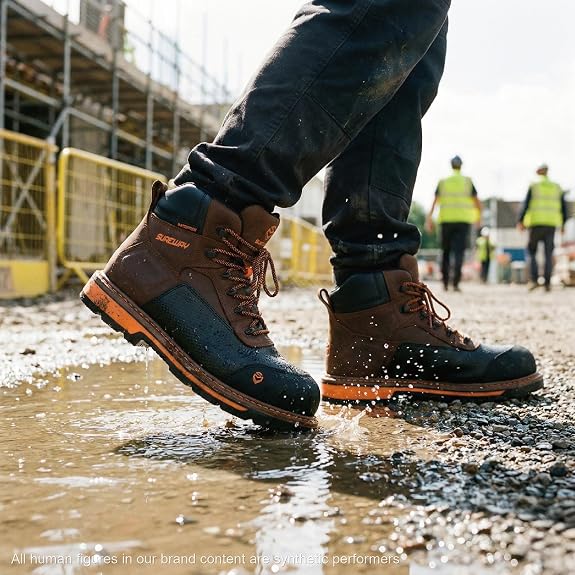
3. Sureway 6" Men's Heavy Duty Steel Toe Work Boots
This model targets tougher environments. The 6-inch height supports your ankles effectively. The steel toe offers maximum protection against falling objects. You might think steel toe boots cannot be comfortable. Sureway designs these to distribute weight well.
The outsole features deep lugs. These lugs dig into mud and loose dirt. Traction is excellent outdoors. The leather upper protects against scrapes and cuts. Although heavier than composite options, they provide necessary security for dangerous sites. Workers in heavy construction rely on this level of defense.
4. Sureway Men's 10" Waterproof Steel Toe Wellington Work Boot
Wellington boots offer a unique advantage: no laces. You slide them on and off easily. This saves time in the morning. The 10-inch height protects your lower legs from debris and water. This model features a waterproof barrier. Your feet remain dry in muddy trenches.
The steel toe safeguards against crushing hazards. The lack of laces eliminates a common tripping hazard. Sparks from welding cannot burn through laces here. These boots suit farmers, ranchers, and welders. The fit secures your foot without feeling tight. You get substantial protection in a convenient package.
Making the Right Choice
Selecting the right boot depends on your specific daily tasks. Lightweight work boots generally serve indoor workers and those walking long distances best. Heavy-duty options suit stationary jobs with high crush risks. Analyze your environment. Check for oil, water, or electrical hazards.
Prioritize fit above all else. A light boot with a bad fit still hurts. Measure your feet late in the day. Wear your standard work socks during fitting. Your feet will thank you for the extra effort. Investing in quality footwear protects your body and career.
Five Common Questions and Answers
- What are the benefits of lightweight work boots?
Lightweight work boots reduce fatigue, improve mobility, and enhance comfort during long work hours.
- Are composite toe boots as safe as steel toe boots?
Yes, composite toe boots meet safety standards and are lighter, making them a great alternative to steel toe boots.
- Can lightweight work boots be waterproof?
Absolutely! Many lightweight work boots come with waterproof materials to keep feet dry in wet conditions.
- What industries benefit most from slip-resistant boots?
Industries like construction, food service, and healthcare benefit greatly from slip-resistant boots to prevent workplace accidents.
- How do I ensure a proper fit for work boots?
Measure your feet accurately, consider the width, and try boots with socks you typically wear for work.
Comment