How to Choose the Best Ranch Work Boots
Apr 06,2026 | Chad Sureway
Ranchers face tough conditions every single day. You need reliable footwear to protect your feet. You must choose the best ranch work boots for your daily tasks. Farm and ranch boots provide necessary safety and comfort. Sureway boots will explain the features of high-quality boots. You can make an informed decision easily. Furthermore, we list helpful tips for maintenance.
Key Features of Ranch Work Boots
You need specific features for maximum protection. Different boots offer varying levels of safety. Accordingly, you must inspect the boot construction carefully.
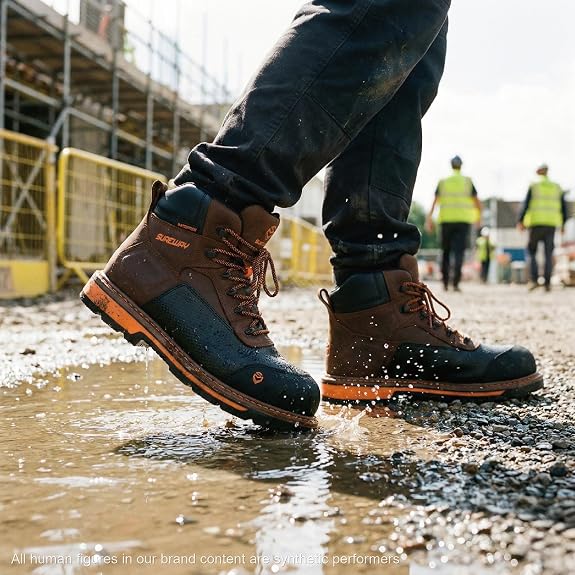
First thing to remember, waterproof protection keeps your feet dry. Wet conditions ruin standard shoes quickly. Quality farm ranch boots repel water effectively. Furthermore, waterproof liners block moisture completely. Dry feet prevent blisters during long shifts.
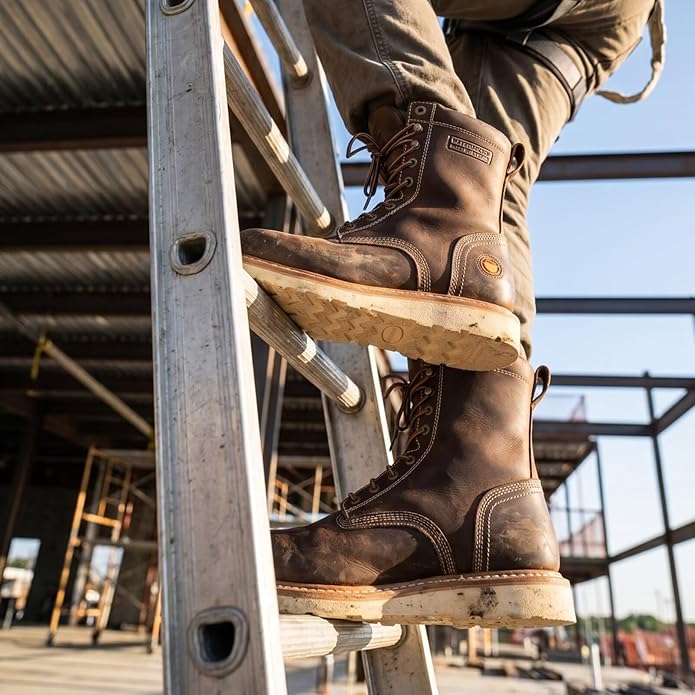
Additionally, slip-resistant soles ensure safety on uneven terrain. Mud and manure create slick surfaces everywhere. Deep treads grip the ground securely. Therefore, you avoid dangerous falls. Good traction provides stability all day.
Another key point involves toe protection options. Steel toe caps protect feet against crushing injuries. Heavy animals step on feet frequently. Heavy machinery poses constant risks. Conversely, composite toe options offer lighter protection. Composite materials resist extreme temperatures well. Both options improve workplace safety significantly.
Lastly, comfortable insoles support long hours of wear. You stand on hard surfaces constantly. Thick insoles absorb shock effectively. Good arch support prevents fatigue. Also, memory foam layers cushion your steps.
How to Choose the Best ranch work boots
You must evaluate several factors before buying. The right choice depends on your specific needs. In detail, you should analyze your daily environment.
Chiefly, consider the exact type of work. Heavy-duty tasks require maximum protection. You lift heavy objects often. You handle large animals daily. In this case, you need rugged materials. Light tasks demand less rigid construction. You walk long distances often. Flexible soles work better here.
Equally important, you must secure proper fit and support. Tight boots cause severe pain. Loose boots create painful blisters. You should measure your feet accurately. You must try on boots with thick socks. Proper support aligns your posture perfectly.
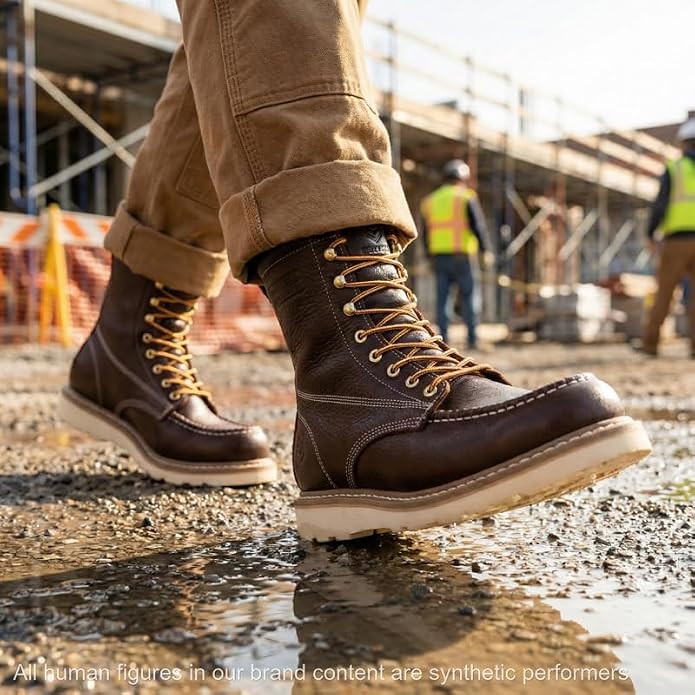
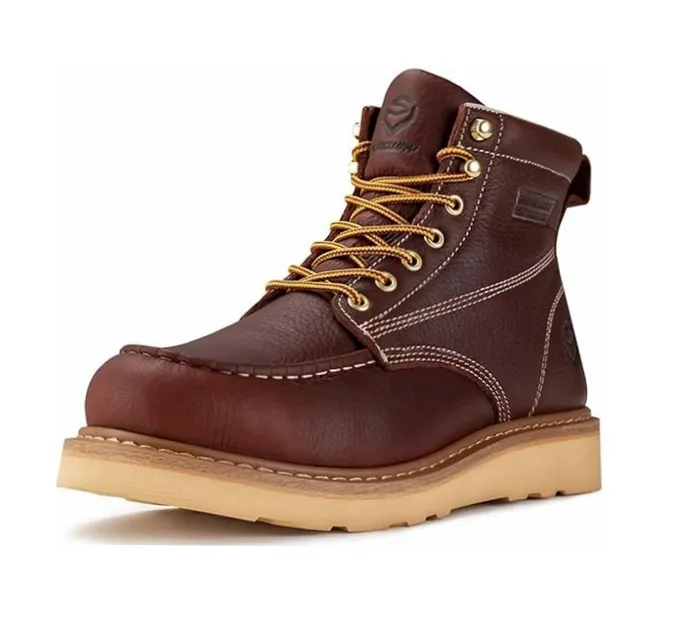
By comparison, evaluate different boot materials carefully. Leather materials offer supreme durability. Full-grain leather resists tears well. Synthetic options provide lighter weight. Synthetic materials dry quickly after rain. You choose between leather and synthetic materials based on your preferences. Cowboy boots for men often feature tough leather. Rancher men prefer thick leather uppers.
In addition, check weather resistance and insulation levels. Different climates demand different boot features. Cold environments require thick insulation. Thinsulate layers trap body heat effectively. Hot climates need breathable mesh linings. Mesh panels release trapped heat quickly. You buy boots suitable for your local climate.
Maintenance Tips for Ranch Work Boots
Proper care extends boot lifespan significantly. You save money through regular maintenance. You keep your footwear in top condition.
First, clean and condition leather boots regularly. Dirt destroys leather fibers over time. You must brush off mud daily. You wipe the boots with a damp cloth. After that, you apply a rich leather conditioner. Conditioner keeps the leather soft. Conditioner prevents ugly cracks.
Second, apply waterproofing treatments for extended durability. Factory waterproofing wears off eventually. You must spray boots with silicone repellant. You rub wax into the seams. This action seals tiny holes completely. Water rolls off the treated surface instantly.
Third, practice proper storage to maintain shape and quality. You never leave boots near heaters. Extreme heat shrinks leather fast. Instead, you store boots in dry areas. You insert cedar shoe trees inside. Shoe trees absorb sweat quickly. Shoe trees hold the correct shape.
Ranch Work Boots Specification Table
You compare different specifications below. We detail the exact features clearly.
|
Feature Category |
Description |
Benefit |
Best For |
|
Toe Protection |
Steel or composite caps cover the toe area. |
Protects against heavy impacts and compression. |
Handling livestock and heavy machinery. |
|
Waterproofing |
Liners and treated outer materials block water. |
Keeps feet entirely dry in wet environments. |
Rainy seasons and muddy pastures. |
|
Slip Resistance |
Deep rubber treads provide strong grip. |
Prevents slips on slick and uneven surfaces. |
Barn work and uneven outdoor terrain. |
|
Insulation |
Synthetic fibers trap body heat inside the boot. |
Prevents frostbite and extreme cold exposure. |
Winter tasks and snowy climates. |
|
Upper Material |
Full-grain leather or synthetic fabrics. |
Resists abrasions, cuts, and severe tears. |
Brush clearing and general farm duties. |
|
Insole Support |
Cushioned footbeds with rigid arch support. |
Reduces foot fatigue and joint pain. |
Long shifts and constant walking. |
Common Questions and Answers
- What are the best ranch work boots for wet conditions?
Look for waterproof boots like those from Sureway, which offer excellent water resistance and durability.
- Are steel toe boots necessary for ranch work?
Steel toe boots are essential for heavy-duty tasks to protect against crushing injuries, but composite toe options are lighter and equally protective.
- How do I maintain leather ranch work boots?
Clean them regularly, apply leather conditioner, and use waterproofing sprays to extend their lifespan.
- What is the difference between farm boots and ranch boots?
Ranch boots are typically designed for rugged outdoor tasks, while farm boots may focus more on waterproofing and muck resistance.
Comment