Best Machinist Boots Features, Selection, and Care Guide
Apr 04,2026 | Chad Sureway
You need reliable footwear for demanding workshop environments. Machinists face daily workplace hazards. Heavy metal parts fall frequently. Sharp metal shavings cover shop floors. Oils slick the concrete surfaces. You must protect your feet against these serious risks. Finding the best machinist boots solves these safety problems. The best machinist boots provide necessary protection. They also deliver all-day comfort for long shifts. Machinists stand on hard concrete floors all day. Proper footwear prevents foot fatigue. You work better with comfortable feet. Good boots improve your daily work experience.
Key Features of the best machinist boots
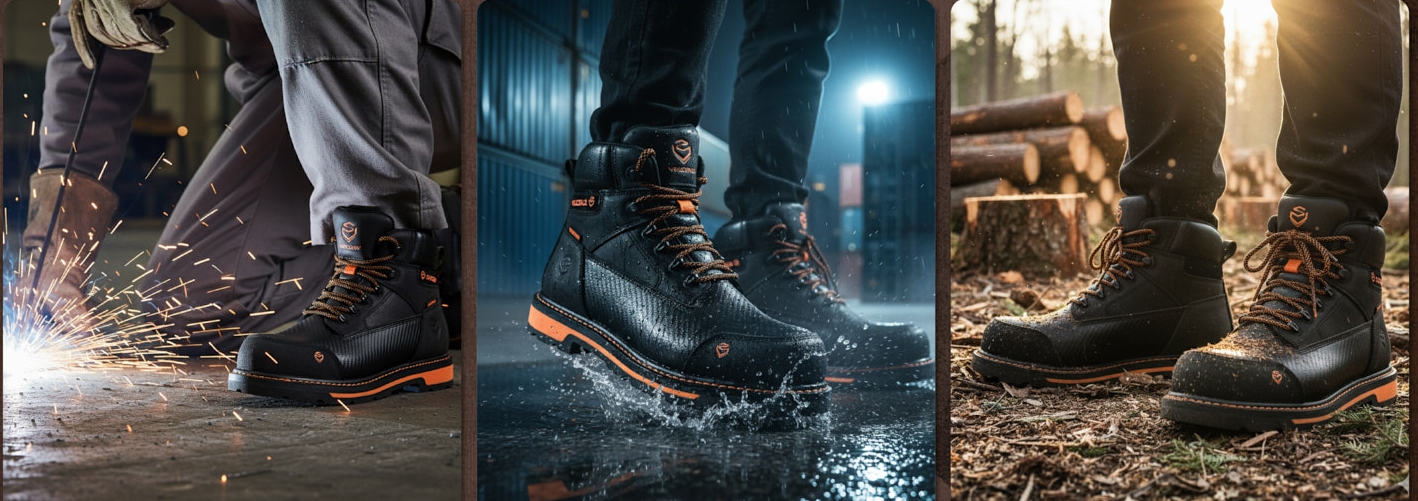
You must look for specific elements in your footwear. Manufacturers build machinist work boots with specialized safety components. These features keep you safe on the shop floor.
Protective Toe Caps
Heavy machinery parts present massive crushing risks. Steel toe caps block heavy impacts from falling objects. Steel caps offer maximum impact resistance. Composite toe caps provide lighter protection. Composite materials do not conduct heat. Composite materials do not conduct electricity. You stay safe from heavy impacts with either option.
Slip-Resistant Soles
Shop floors collect cutting fluids. Spilled oils create dangerous slip hazards. Slip-resistant soles grip oily concrete surfaces firmly. Rubber outsoles provide excellent traction. You prevent serious fall injuries with high-quality tread designs. Deep treads channel liquids away from your foot.
Electrical Hazard Protection
Machinists work near high-voltage equipment. Electrical shorts happen unexpectedly. Electrical hazard protection blocks dangerous electrical currents. Specially designed soles resist electricity. This feature prevents fatal shocks. You need this protection near heavy machinery.
Durable Materials
Metal chips destroy standard shoes quickly. Premium leather withstands harsh workshop conditions. Full-grain leather stops sharp metal shavings. Synthetic materials offer lightweight durability. High-quality materials extend the lifespan of your boots. Leather resists chemical damage. Manufacturers build durable boots for tough environments.
Comfort Enhancements
You stand for eight to twelve hours daily. Cushioned insoles absorb impact energy. Shock-absorbing midsoles reduce joint pain. Moisture-wicking linings pull sweat away from your skin. Breathable materials keep your feet dry. Good boots support your arches properly. Comfort directly affects your job performance.
How to Choose the best machinist boots
Selecting the right pair requires careful attention. You must evaluate your specific workplace requirements. Different shops demand different safety levels.
Safety Standards
Workplaces enforce strict safety rules. You must verify safety certifications. Look for ASTM ratings on the boot tongue. EH-rated soles guarantee electrical protection. PR-rated soles stop sharp objects from puncturing the bottom. Safety managers check these certifications. Compliance prevents workplace fines.
Fit and Comfort
Proper sizing guarantees daily comfort. Too tight shoes cause blisters. Too loose shoes cause trips. You should try boots on at the end of the day. Feet swell during long shifts. You need adequate toe room. Ergonomic designs match your natural foot shape. Padded collars prevent ankle chafing.
Durability
You want your investment to last. Check the boot construction methods. Goodyear welt construction locks the upper to the sole tightly. Reinforced stitching prevents seam blowouts. Kevlar thread resists chemical degradation. Thick rubber bumpers protect the toe area from scuffs. Strong hardware secures your laces firmly.
Specific Needs
Every shop environment presents unique challenges. Wet environments require waterproof membranes. Waterproof boots block liquids completely. Floor debris requires puncture-resistant sole plates. Cold shops need thermal insulation. You must match the features to your daily tasks.
Specification Table for Best Machinist Boots
|
Boot Category |
Recommended Material |
Key Feature |
Outsole Type |
Safety Toe |
EH Rating |
|---|---|---|---|---|---|
|
Top Waterproof |
Full-Grain Leather |
Breathable Membrane |
Slip-Resistant Rubber |
Composite |
Yes |
|
Most Comfortable |
Premium Leather |
Anti-Fatigue Midsole |
Flexible Rubber |
Steel |
Yes |
|
Maximum Protection |
Heavy-Duty Leather |
Metatarsal Guard |
Heat-Resistant Rubber |
Steel |
Yes |
Common Questions and Answers
- What are the best machinist boots for slippery surfaces?
Look for boots with slip-resistant soles. For machinists working on slippery surfaces, Sureway safety boots are an excellent choice.
- Are steel toe boots necessary for machinists?
Yes, they protect against falling objects and are often required by safety standards.
- How do I maintain machinist boots?
Clean regularly, condition leather, and replace insoles as needed.
- What is the difference between steel toe and composite toe boots?
Steel toe offers maximum protection, while composite toe is lighter and non-conductive.
- Can machinist boots be waterproof?
Yes, many models include waterproofing to keep feet dry in wet environments.
Comment