How to Choose the Right Pair Oil Work Boots
Apr 06,2026 | Chad Sureway
Workers face severe hazards on rig sites. You need reliable foot protection to prevent severe injuries. Proper oil field boots provide necessary safety in these harsh environments. You must select footwear with specific safety ratings and materials. This Sureway guide explains exact features and specifications for the best boots for oilfield jobs.
Key Features of oil field boots
Quality oil and gas work boots require specific construction elements. Manufacturers design these features to stop workplace accidents.
Oil Resistance
Chemicals destroy standard rubber quickly. Oil-resistant materials stop rapid sole degradation. Brands use specialized polyurethane or synthetic rubber blends. These materials repel hydrocarbons effectively. Accordingly, your boots last much longer on rig sites.
Slip Resistance
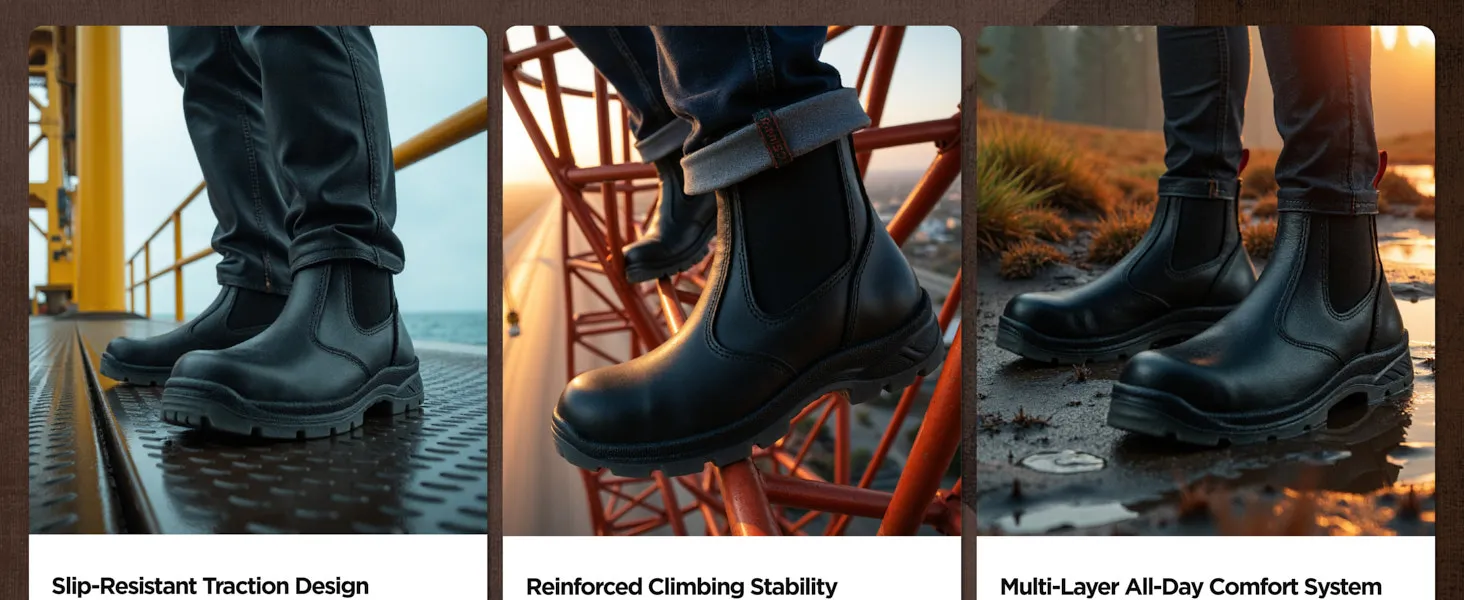
Rig floors become extremely slick during operations. Slip resistance stops dangerous falls on metal grates. Deep tread patterns channel liquids away from the sole. Multi-directional lugs grip slick surfaces tightly. Furthermore, softer rubber compounds grip metal surfaces better than hard plastics.
Waterproofing
Drilling mud and water soak standard leather footwear. Waterproofing keeps feet completely dry in wet environments. Brands insert waterproof membranes inside the boot lining. Additionally, manufacturers treat the outer leather with silicone sprays. Dry feet prevent painful blisters and fungal infections.
Toe Protection
Heavy pipes drop unexpectedly during drilling operations. Steel toes offer maximum impact protection against heavy objects. Composite toes provide lighter weight protection. Composite materials do not conduct electricity or cold temperatures. Therefore, workers choose composite toes for cold weather environments.
Comfort Technology
Long shifts cause severe foot fatigue. Anti-fatigue soles absorb shock from hard concrete surfaces. Polyurethane midsoles return energy to your feet. Moisture-wicking liners pull sweat away from the skin. Ultimately, good comfort technology prevents chronic joint pain.
Types of oil field boots
Workers select different boot styles for specific rig tasks. Each design offers distinct operational advantages.
Pull-On Boots
Many workers prefer pull-on designs for rig work. Pull-on boots lack laces entirely. Therefore, workers put them on very quickly. Mud cannot cake inside lace eyelets. Workers clean these boots easily with water hoses.
Lace-Up Boots
Lace-up designs provide superior ankle support. You tie the laces tight for custom fit around the ankle. The tight fit stops ankle sprains on uneven ground. Simultaneously, laces prevent the heel from slipping upward.
Insulated Boots
Winter drilling operations expose workers to freezing temperatures. Insulated boots trap body heat effectively. Manufacturers use synthetic fibers like Thinsulate. Cold weather boots usually contain 400G to 1000G of insulation. Consequently, workers avoid frostbite in winter conditions.
Chemical-Resistant Boots
Corrosive substances ruin standard leather rapidly. Chemical-resistant boots feature full synthetic rubber or PVC construction. Neoprene materials block harsh drilling acids. As a result, acid does not burn the worker.
Specifications Table for Oil Work Footwear
You must evaluate technical specifications before purchasing footwear. This table details standard requirements for rig environments.
|
Specification |
Steel Toe Option |
Composite Toe Option |
Soft Toe Option |
|
Impact Rating |
ASTM F2413 |
ASTM F2413 |
None |
|
Electrical Hazard |
EH Rated (18kV) |
EH Rated (18kV) |
Varies |
|
Sole Material |
Nitrile Rubber |
Vibram / Polyurethane |
Standard Rubber |
|
Waterproofing |
Gore-Tex Membrane |
Treated Leather |
None |
|
Insulation Level |
Uninsulated |
400G - 1000G |
Uninsulated |
|
Slip Rating |
SRC |
SRC |
SRA |
|
Weight per Boot |
2.5 lbs |
1.8 lbs |
1.5 lbs |
|
Shaft Height |
8 to 11 inches |
8 to 11 inches |
6 to 8 inches |
|
Oil Resistance |
Excellent |
Excellent |
Poor |
|
Puncture Plate |
Steel Midsole |
Kevlar Midsole |
None |
How to Choose the Right Footwear
You must match your footwear to your specific daily tasks. Wrong footwear choices lead to severe workplace injuries.
Work Environment
You must match boots to specific job conditions. Roughnecks on the drilling floor need maximum slip resistance. Truck drivers prefer flexible soles for driving comfort. Alaska workers require heavy insulation. Texas workers need uninsulated boots for summer heat.
Fit and Comfort
Proper sizing prevents permanent foot damage. You should try footwear on at the end of the day. Feet swell naturally during long shifts. You must ensure enough space in the toe box. The heel must not slip during walking. Proper cushioning absorbs daily impacts on metal grates.
Durability
Rig work destroys cheap materials fast. Full-grain leather withstands severe wear and tear. Goodyear welt construction joins the sole to the leather upper strongly. You can resole welted footwear easily. Cheap cement-glued soles peel apart in harsh chemicals.
Safety Standards
Safety compliance prevents job site removal. Safety inspectors check footwear for ASTM tags. You must verify the EH rating for electrical hazards. The safety toe must meet the 75-pound drop test. Above all, you must follow your specific company safety manual.
Common Questions and Answers
- What are the best materials for oil field boots?
Leather and synthetic materials are durable and oil-resistant.
- Are steel toe boots better than composite toe boots?
Steel toes offer maximum protection, while composite toes are lighter and non-metallic.
- How do I maintain waterproofing in my boots?
Use waterproof sprays and clean boots regularly to maintain their water resistance.
- What is the ideal height for oil field boots?
Heights between 8" and 12" provide optimal ankle support and protection.
- Can oil field boots be used in cold weather?
Yes, insulated boots with 200G to 1000G insulation are suitable for cold environments.oil field boots, best boots for oilfield, oil and gas work boots,
Comment