10 Inch Steel Toe Boots That Combine Safety and Comfort
May 15,2026 | Chad Sureway
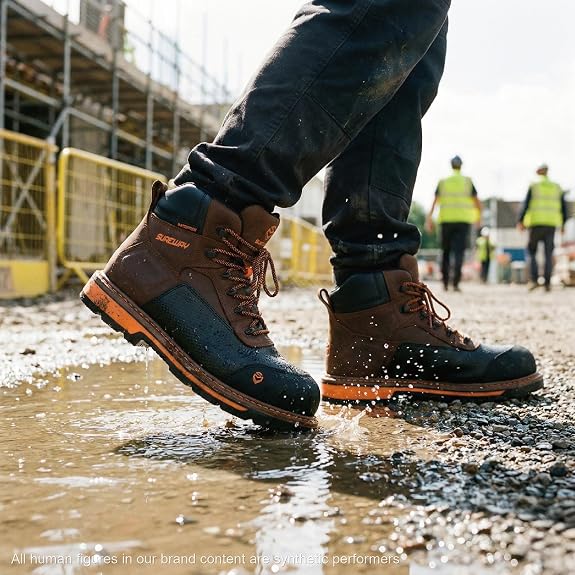
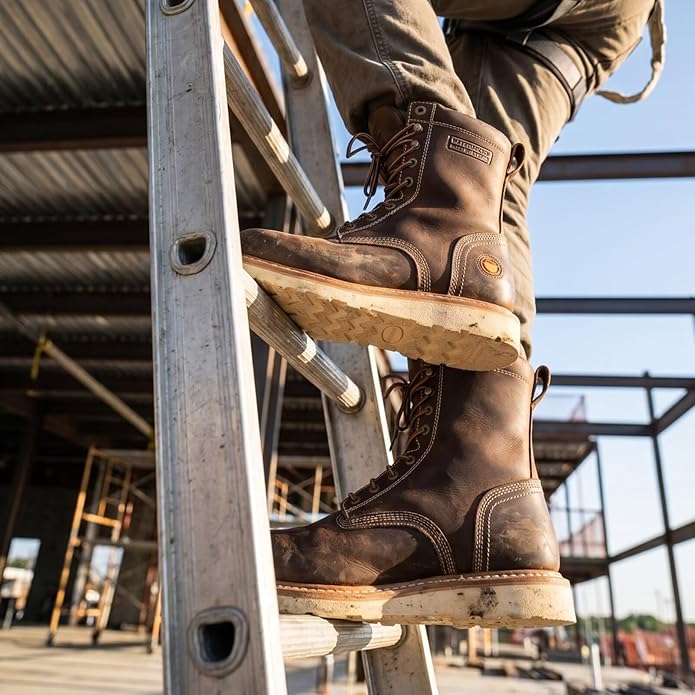
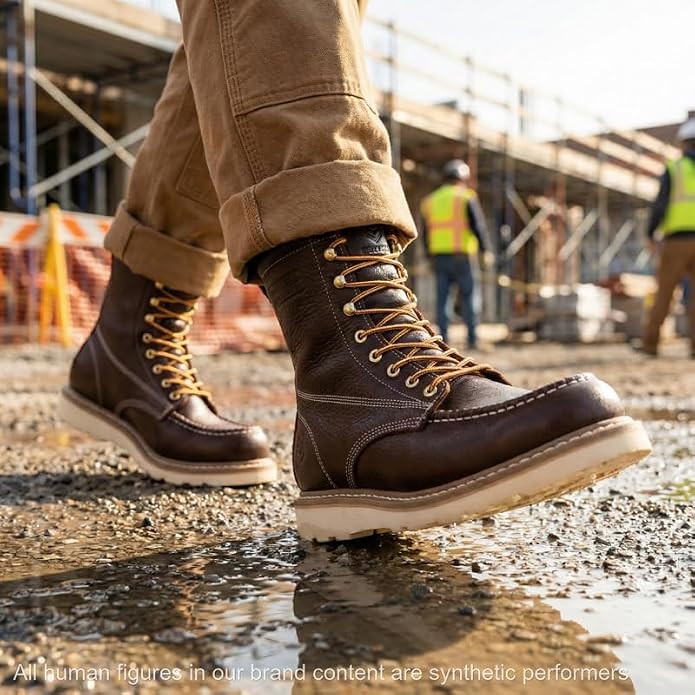
Workers need reliable foot protection on hazardous job sites. A quality pair of 10 inch steel toe boots delivers maximum safety and support. The tall shaft shields the lower leg from dangerous elements. Manufacturers combine rugged materials with ergonomic designs to prevent fatigue. You gain confidence to tackle demanding tasks in harsh environments. This Sureway guide explores the distinct advantages of tall protective footwear, highlights key buying features, and details proper maintenance steps for your daily gear.
Why Choose 10 Inch Work Boots?
Tall work boots provide superior coverage. The ten-inch height extends protection well past the ankle. You block dirt, mud, and debris completely. Furthermore, the sturdy leather structure supports the ankle joint during lateral movements. Workers prevent sprains on uneven ground. Steel toe shoes stop heavy objects from crushing toes. A dropped tool causes zero damage.
Additionally, the extended shaft adds warmth in cold environments. Tall boots trap body heat effectively. You navigate deep puddles safely. Water cannot breach the high collar.
How to Choose the Right Pair of 10 Inch Steel Toe Boots?
Buyers must evaluate several specific details before purchasing. Fit dictates daily comfort. You should test boots at the end of the day. Feet swell naturally during physical activity. Wear thick work socks during the fitting process. Your heel must stay firmly in place. Your toes need room to wiggle freely.
Material selection affects performance directly. Full-grain leather offers exceptional durability. It resists tears and abrasions. Synthetic materials reduce overall weight. They also require less break-in time. You must weigh the pros and cons of each option.
Toe caps come in different materials. Steel caps deliver maximum impact resistance. They meet strict ASTM standards. Composite caps use plastics or carbon fiber. They do not conduct electricity.
Budget considerations influence the final choice. Premium boots cost more upfront. However, they outlast cheap alternatives. You save money long-term by avoiding frequent replacements. Steel toe boots for men vary wildly in price. Prioritize structural integrity over trendy aesthetics.
Toe Type Specifications and Comparison
|
Specification |
Steel Toe |
Composite Toe |
|
Material Composition |
Heavy duty steel |
Plastic, kevlar, carbon fiber |
|
Impact Resistance |
Maximum protection |
High protection |
|
Boot Weight |
Heaviest option |
Lightweight |
|
Electrical Conductivity |
Conductive metal |
Non-conductive |
|
Temperature Control |
Absorbs cold heat |
Resists temperature changes |
|
Metal Detector Trigger |
Yes |
No |
|
Profile Size |
Compact |
Bulky |
|
ASTM Compliance |
Meets standard |
Meets standard |
Key Features to Look for in 10 Inch Steel Toe Boots
Waterproof Membranes
A reliable waterproof membrane keeps feet completely dry. Rain and slush stay outside the boot. Simultaneously, the membrane allows internal moisture to escape. You avoid painful blisters. Dry feet ensure focus during long shifts.
Steel Toe Protection
The reinforced toe box stops extreme impacts. Heavy machinery poses no threat. The steel cap meets stringent ASTM safety regulations. You step onto industrial sites without fear. The metal shield withstands immense compression forces.
Durable Outsoles
Slip-resistant outsoles grip slick surfaces tightly. Deep treads channel water away from the contact patch. You maintain balance on oily shop floors. Furthermore, the thick rubber resists electrical hazards. Rugged outsoles endure years of abrasive wear.
Comfort Enhancements
Manufacturers integrate shock-absorbing midsoles. Cushioned insoles cradle the foot arch. You experience less lower back pain. Breathable mesh linings wick sweat away fast. Padded collars prevent chafing around the calf muscle. Comfort equals productivity on the job site.
Sturdy Construction Methods
Shoemakers use Goodyear welt construction for premium boots. They stitch the upper leather directly to the sole. You can replace the sole after heavy wear. Alternatively, cement construction glues the pieces together. Cemented boots feel flexible right out of the box. Both methods offer distinct advantages.
Secure Fastening Systems
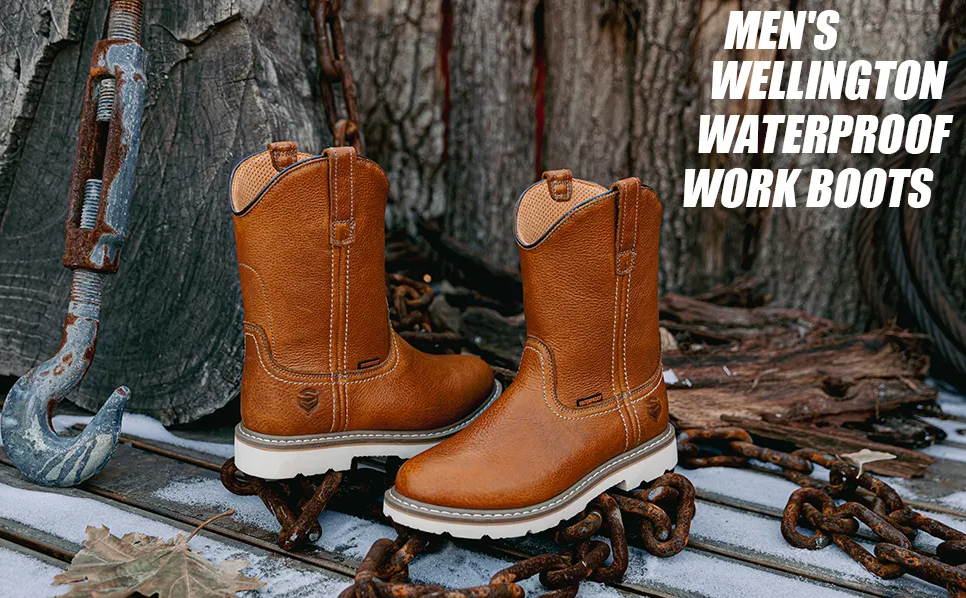
Pull-on Wellington styles offer ultimate convenience. You slip them on quickly. They lack laces completely. Laced boots provide a customizable fit. You adjust the tension across the instep. Zippers allow rapid removal. Choose the closure style matching your daily routine.
Proper Maintenance and Care
Routine maintenance extends boot lifespan significantly. You must brush off loose dirt daily. Mud degrades leather fibers over time. Wash the exterior with a damp cloth weekly. Apply leather conditioner monthly. The conditioner prevents cracks.
Moreover, you should dry wet boots naturally. Heaters warp the leather structure. Remove the insoles to speed up the drying process. Use a boot dryer on a cool setting. Proper care guarantees reliable performance.
Frequently Asked Questions
- Are steel toe boots comfortable for all-day wear?
Yes, modern steel toe boots often include cushioned insoles and lightweight materials for enhanced comfort.
- How do steel toe boots compare to composite toe boots?
Steel toe boots offer superior impact resistance, while composite toe boots are lighter and non-conductive.
- Can steel toe boots be used in cold weather?
Yes, insulated steel toe boots are ideal for cold environments, keeping feet warm and protected.
- How do I know if my steel toe boots meet safety standards?
Look for ASTM certification, which ensures compliance with safety regulations.
Comment