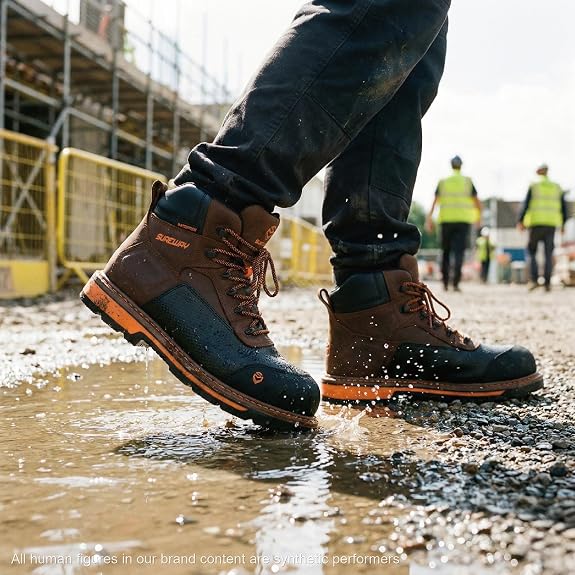
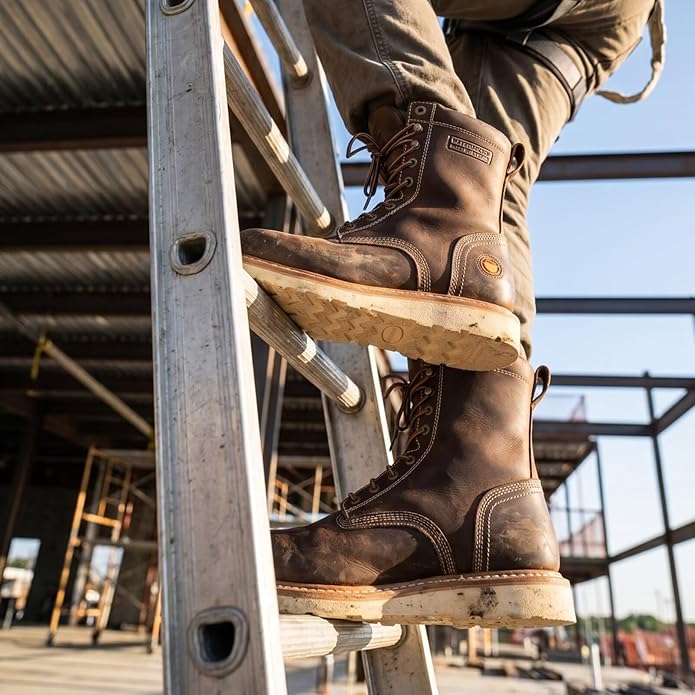
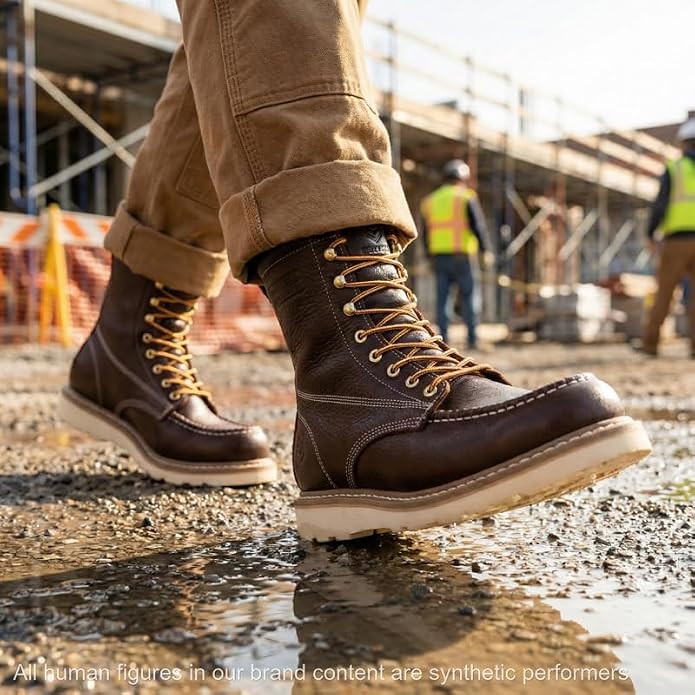
Why Choose Men's Lace Up Work Boots?
Mar 30,2026 | Chad Sureway
Soft toe logger boots are a game-changer for workers seeking comfort and flexibility in demanding environments. Unlike their safety-toe counterparts, these boots prioritize lightweight design and natural movement, making them ideal for long shifts and outdoor tasks. In this article, Sureway boots will explore the benefits of soft toe logger boots, and provides essential maintenance tips to ensure your work boots stay durable and reliable for years to come.
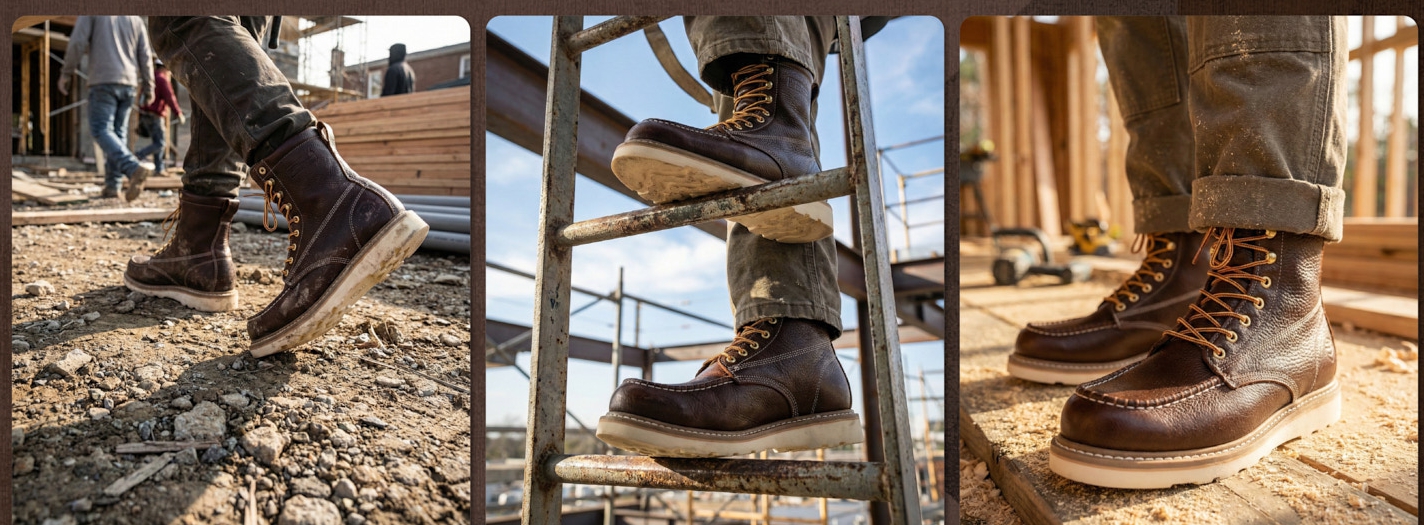
Lace Up Work Boots Steel Toe vs. Composite Toe
Workers debate between different safety toes. You must choose the right protection for your environment. Both options shield your feet. However, they use different materials.
|
Specification |
lace up work boots steel toe |
Composite Toe Boots |
|
Material |
Heavy-duty steel |
Kevlar, carbon fiber, plastic, fiberglass |
|
Weight |
Heavier, adds bulk to the shoe |
Lighter, reduces leg fatigue |
|
Impact Protection |
Maximum protection against heavy crushing |
Strong protection, meets basic safety standards |
|
Temperature |
Conducts heat and cold quickly |
Resists extreme temperatures, stays neutral |
|
Electrical Hazards |
Conducts electricity |
Nonmetallic, safe for electrical work |
|
Metal Detectors |
Triggers alarms |
Passes through scanners easily |
|
Best Uses |
Construction, heavy manufacturing, logging |
Airport security, electrical jobs, light industry |
|
Price |
Generally more affordable |
Often slightly more expensive |
You review this table to make an informed decision. Steel toes offer unmatched strength. Conversely, composite toes provide lightweight agility. You evaluate your specific job requirements. Then, you buy the appropriate footwear.
Top Uses for Lace Up Work Boots
Different jobs require specific footwear. Men wear these boots across various industries. They offer versatility and rugged performance.
Construction and Industrial Work
Builders face rough terrain and heavy machinery. Construction sites hold nails, sharp metal, and heavy beams. Therefore, workers rely on lace up work boots steel toe models. The thick soles block punctures. The metal toes block impacts. Industrial workers stand on concrete floors for hours. They need strong ankle support. The laces keep the boots firmly attached.
Outdoor Activities Like Hiking and Farming
Nature presents unpredictable challenges. Hikers climb steep, rocky trails. Farmers trudge through mud and brush. Furthermore, both groups encounter uneven ground. Lace up boots stabilize the ankle. You avoid painful twists. Deep lugs grab the dirt. You maintain your balance. In addition, treated leather repels morning dew and rain. Outdoor enthusiasts trust this footwear for daily chores and adventures.
Everyday Wear for Rugged Environments
Some people prefer tough style for daily life. They ride motorcycles. They do yard work. They tackle home improvement projects. You need sturdy shoes for these tasks. Rugged boots withstand scuffs and scrapes. They last much longer than standard sneakers. All in all, these boots bridge the gap between hard labor and casual utility.
How to Maintain Your Lace Up Work Boots
Dirt and damage degrade footwear quickly. You protect your investment with proper care. Regular maintenance extends the lifespan of your boots.
Cleaning Tips for Leather and Synthetic Materials
Mud dries and cracks leather. You must remove dirt daily. You grab a stiff brush. You scrub away the loose soil. Afterward, you wipe the surface with a damp cloth. For stubborn stains, you apply a specialized leather cleaner. Synthetic materials require a similar process. You wash them with mild soap and water. Then, you let them air dry completely.
Importance of Conditioning and Waterproofing Sprays
Leather loses its natural oils over time. It becomes stiff. It breaks open. You rub a leather conditioner into the material. The cream restores softness. Following this, you spray the boots with a waterproofing formula. The liquid creates a clear barrier. Rain beads up and rolls away. You perform this routine monthly. As a result, your boots remain flexible and dry.
Storing Boots to Extend Their Lifespan
Heat ruins adhesives. Dampness breeds mold. You never leave your boots in a hot car. You avoid placing them next to a radiator. Instead, you store them in a cool, dry closet. You insert cedar shoe trees. The wood absorbs internal moisture. It maintains the shape of the footwear. Proper storage prevents premature deterioration.
Frequently Asked Questions
- Are lace-up boots better than slip on boots?
Yes, lace-up boots provide better ankle support and a customizable fit. - Can lace-up work boots be used for hiking?
Absolutely, many are designed for rugged outdoor use. - How do I clean leather lace-up boots?
Use a leather cleaner, conditioner, and waterproofing spray. - What’s the difference between steel toe and composite toe boots?
Steel toes offer maximum protection; composite toes are lighter and nonmetallic. - What are the best lace-up work boots for construction?
Look for boots with steel toes, and slip resistant soles.
Comment