Types of Safety Toe Boots and Their Features
Mar 30,2026 | Chad Sureway
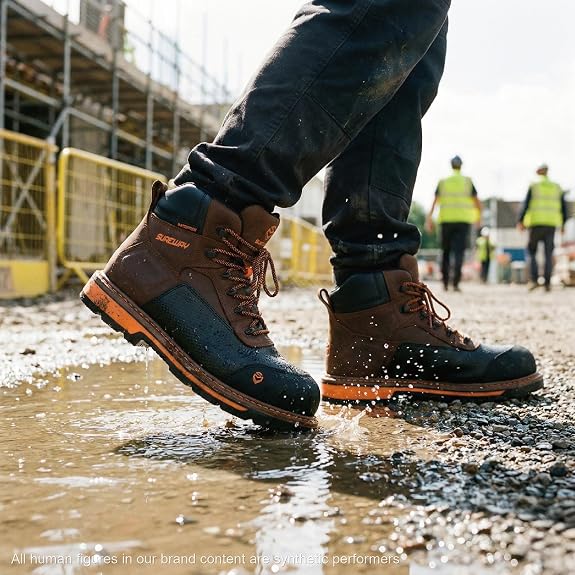
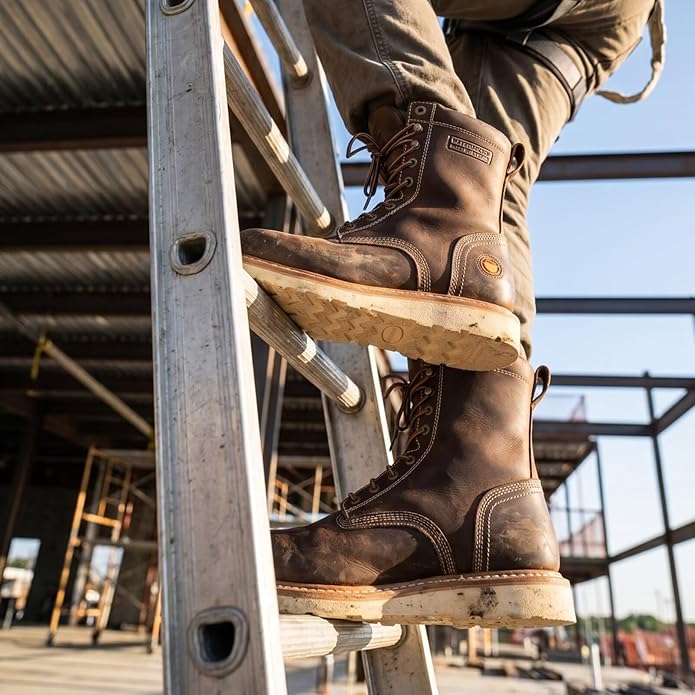
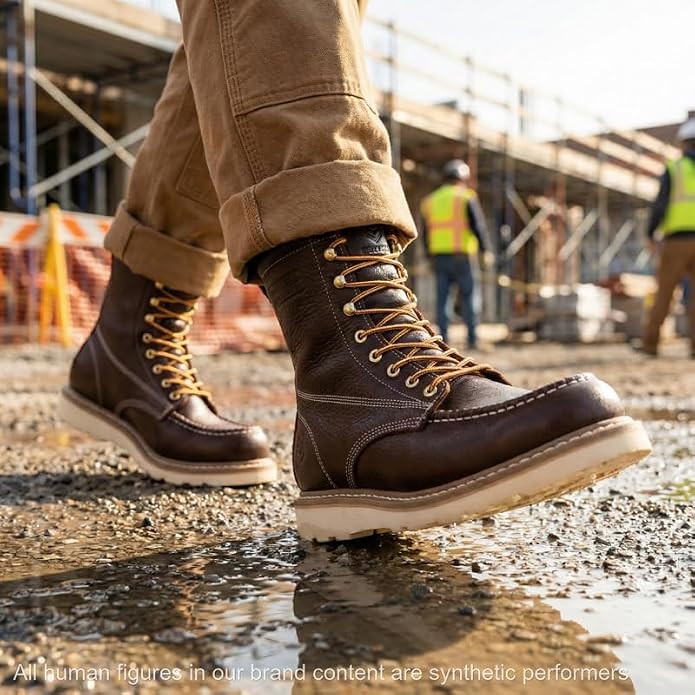
Safety toe boots are essential for workers facing hazardous conditions, offering critical protection against impacts, compression, and sharp objects. From construction sites to factory floors, these boots are a cornerstone of workplace safety. This Sureway article explores the various types of safety toe boots and key safety elements like slip resistance, waterproofing, and electrical hazard protection.
What Are Safety Toe Boots?
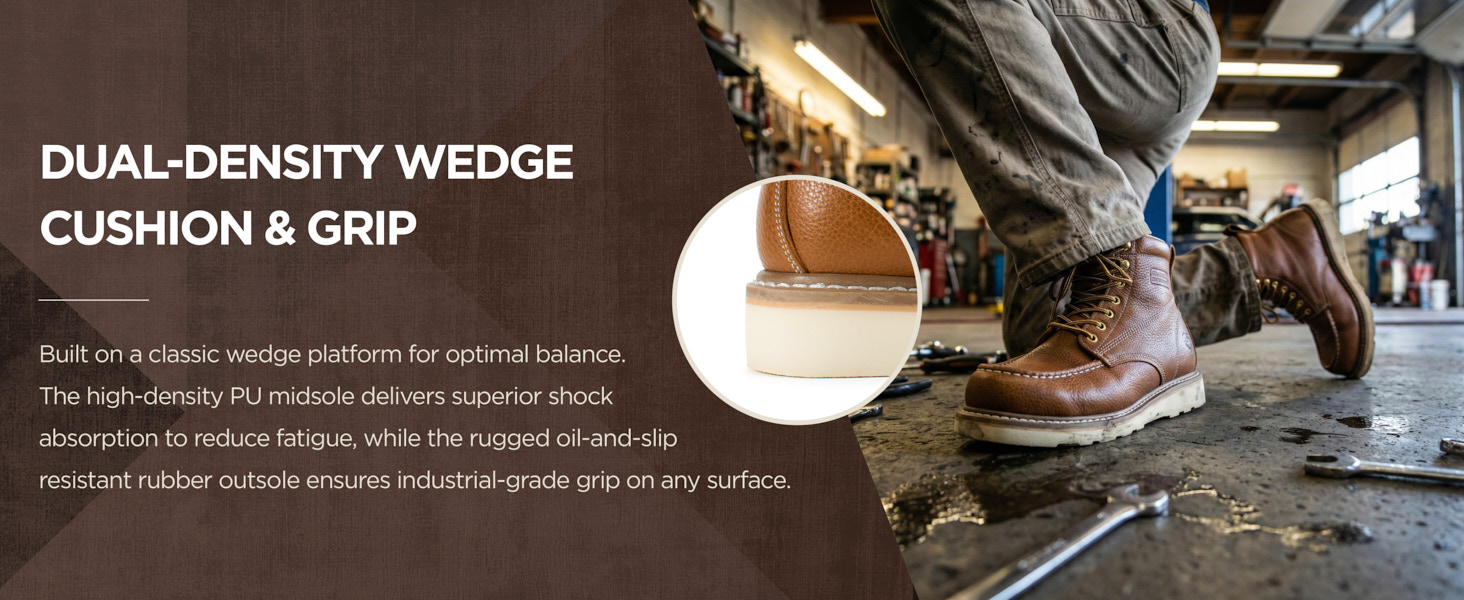
Manufacturers design safety toe boots to shield feet from falling objects and compression. These specialized shoes feature reinforced caps over the toe area. Furthermore, many industries require this protective footwear to prevent severe injuries.
Construction workers rely on these sturdy boots daily. Manufacturing plant employees also wear them to navigate factory floors safely. Additionally, warehouse staff use men's safety toe shoes to prevent accidents involving heavy pallets and machinery.
Types of Safety Toe Boots
Shoemakers utilize different materials to create protective toe caps. Each material offers distinct advantages for specific work environments. Below, a table compares the primary options.
|
Feature |
Steel Toe |
Composite Toe |
|
Material |
Heavy-duty steel metal |
Carbon fiber, Kevlar, or plastic |
|
Weight |
Heaviest |
Lightweight |
|
Protection Level |
Maximum impact resistance |
High impact resistance |
|
Temperature |
Conducts heat and cold |
Resists extreme temperatures |
|
Electrical Safety |
Conducts electricity |
Nonmetallic and safe |
|
Best For |
Construction, heavy industry |
Electricians, outdoor winter work |
Steel Toe Boots
Steel toe boots offer maximum protection for heavy-duty environments. Workers trust the strong metal caps to stop crushing weights. Specifically, these boots meet the highest safety standards for impact resistance. Mechanics and construction crews frequently choose this traditional option. However, the metal material adds extra weight to the footwear.
Composite Toe Boots
Composite toe boots feature nonmetallic materials. Manufacturers use carbon fiber, Kevlar, or strong plastics to build these caps. Therefore, these boots feel much lighter on the feet. Electricians prefer this nonmetallic option to avoid electrical conductivity. Additionally, the composite material does not conduct cold temperatures. Outdoor workers stay warmer during winter shifts.
Key Features to Look for in Safety Toe Boots
Workers need more than just toe protection on the job. Quality work boots incorporate several other important safety elements.
First, slip resistant work boots enhance traction on wet or oily surfaces. The specialized rubber outsoles grip smooth floors tightly. Fast-food workers and mechanics prevent dangerous falls with these grippy soles.
Second, waterproof safety boots keep feet dry in harsh weather conditions. Shoemakers add waterproof membranes to block rain and mud. Construction workers maintain dry feet during muddy site excavations. Insulated options also trap body heat during freezing temperatures.
At last, electrical hazard protection saves lives in high-risk environments. Special sole materials block electrical currents from grounding through the body. Utility workers depend on this feature to survive accidental contact with live wires.
How to Choose the Right Safety Toe Boots from Sureway
Buyers must consider job requirements, daily comfort, and long-term durability. Different work sites demand specific safety features. You must check your company guidelines before making a purchase.
Shoppers must prioritize ASTM and CSA safety standards compliance. These certifications prove the footwear passed rigorous laboratory tests. Sureway work boots meet these strict industry standards.
Fit and sizing dictate overall comfort and protection. You should measure your feet at the end of the workday. Feet naturally swell during long shifts. Furthermore, you must wear your usual work socks during the fitting process. A proper fit prevents blisters and ensures the protective cap sits correctly over your toes.
FAQs About Safety Footwear
- Are safety toe boots comfortable for all day wear?
Yes, many brands offer ergonomic designs and cushioned insoles for comfort.
- Can safety toe boots be used for hiking?
Some models are versatile enough for rugged outdoor use.
- What’s the difference between steel toe and composite toe boots?
Steel toe offers maximum protection, while composite toe is lighter and nonmetallic.
- How do I clean safety toe boots?
Use a leather cleaner, conditioner, and waterproofing spray.
- Are safety toe boots required by OSHA?
Yes, in specific industries where foot injuries are a risk.
Comment