A Guide to Men's Composite Toe Safety Boots
Mar 28,2026 | Chad Sureway
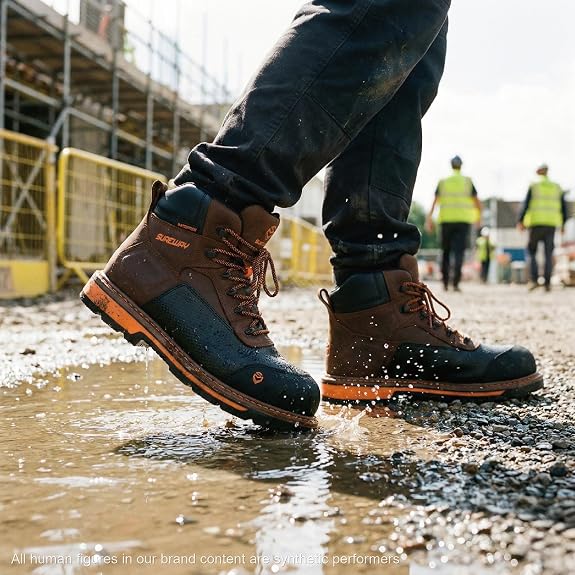
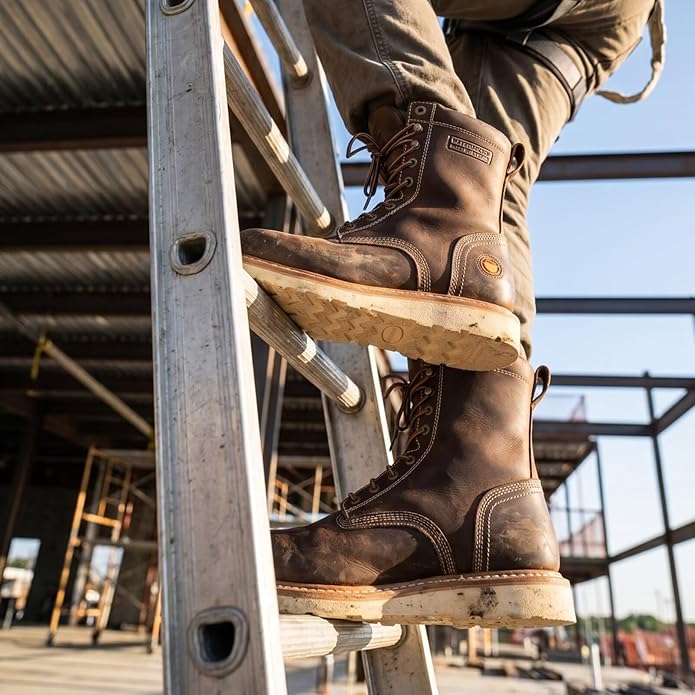
Workers face many hazards on modern job sites. Heavy objects fall constantly. Equipment rolls over toes frequently. You need reliable foot protection to prevent severe injuries. Manufacturers design composite toe safety shoes to stop these crushing impacts. You will find these boots offer high-level protection without adding unnecessary weight. First thing to remember, buyers must evaluate specific features before purchase. Sureway will explore the exact specifications you need. Let us dive in.
What Are Composite Toe Safety Shoes?
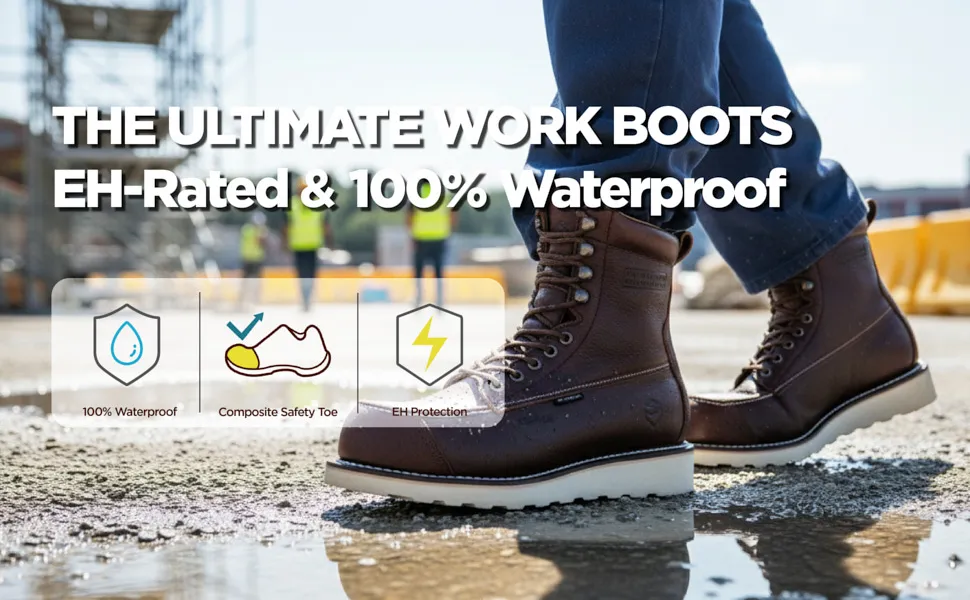
Brands construct composite toe work shoes using strong nonmetallic materials. Manufacturers create the protective caps from Kevlar, carbon fiber, plastic, or fiberglass. These specific materials deliver robust impact resistance. They protect toes from heavy falling tools. So, workers trust these shoes for daily safety.
Buyers often compare composite toe safety shoes with traditional steel options. Both types block heavy impacts effectively. However, the materials differ significantly in daily performance. Below, we list a detailed comparison between the two materials.
Material Comparison Specifications
|
Feature |
Composite Toe |
Steel Toe |
|
Material Types |
Carbon fiber, Kevlar, fiberglass, plastic |
Pure steel alloy |
|
Weight Profile |
Very lightweight |
Heavy and dense |
|
Electrical Safety |
Blocks electrical currents |
Conducts electricity |
|
Thermal Insulation |
Retains heat in extreme cold |
Freezes quickly in cold weather |
|
Metal Detector Test |
Passes through freely |
Triggers security alarms |
|
Rust Resistance |
Resists rust completely |
Rusts upon water exposure |
|
Compression Standard |
Meets ASTM safety ratings |
Meets ASTM safety ratings |
Benefits of Composite Toe Safety Shoes
These safety shoes offer multiple distinct advantages for daily wearers. We outline the most important benefits below.
Firstly, lightweight construction reduces daily leg fatigue. Heavy footwear causes foot pain after long hours. Composite toe safety shoes weigh significantly less than steel alternatives. Therefore, workers walk comfortably during entire shifts. Employees experience higher energy levels at work.
Secondly, the nonmetallic properties provide unique safety features. Security personnel process workers faster. These boots pass through metal detectors without triggering alarms. Airport workers and nuclear plant employees value this specific trait. Additionally, the nonmetallic caps block electrical currents. Electricians rely on this feature to prevent fatal shocks.
Thirdly, thermal insulation protects feet in extreme environments. Cold environments freeze metal quickly. Composite caps insulate feet from freezing temperatures. Workers maintain warm feet in winter conditions.
Lastly, the materials deliver extreme durability against rust. Water destroys exposed metal over time. In contrast, fiberglass and carbon fiber resist rust completely. Workers wear these boots for years without degradation.
Men's Composite Toe Work Boots
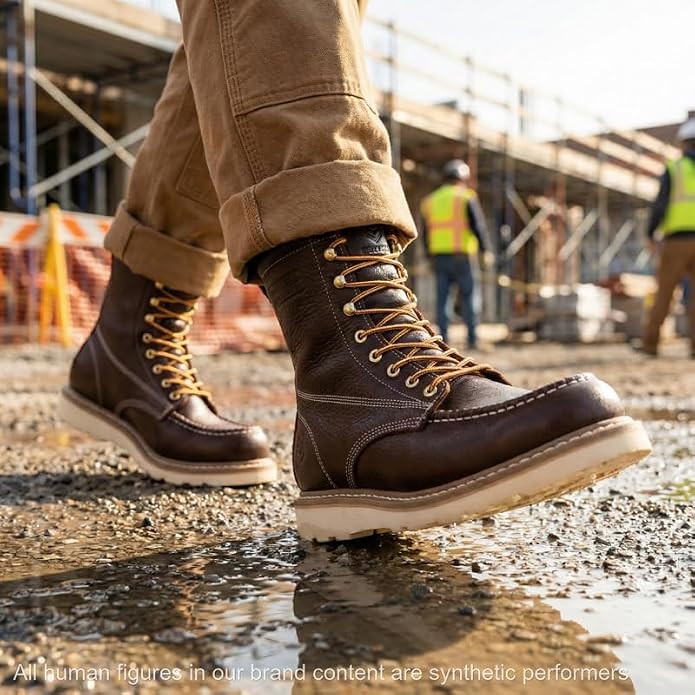
Shoppers must identify key features when selecting men's composite toe work boots. First, buyers should examine slip-resistant outsoles. Deep tread patterns grip wet floors tightly. Second, tall boot shafts provide necessary ankle support. This support prevents dangerous sprains on uneven ground. Third, breathable moisture-wicking linings keep feet dry from sweat.
Workers choose various styles to fit specific job requirements. Some men prefer pull-on styles for quick mornings. Others buy lace-up designs for secure ankle fits. Construction crews frequently purchase black composite toe work boots. The dark color hides dirt effectively. Furthermore, black boots match most uniform requirements easily. Ultimately, companies produce numerous designs to accommodate every worker.
Waterproof Composite Toe Work Boots
Wet worksites cause intense foot discomfort. Wet socks create severe blisters quickly. Waterproof composite toe work boots solve this problem directly. They keep feet completely dry during heavy rainstorms. Plumbers and outdoor landscapers need this protection daily.
Manufacturers use specific technologies to block moisture. Brands apply polyurethane waterproof coatings to exterior leather. Accordingly, water rolls off the surface instantly. Shoemakers also insert waterproof membranes inside the boot lining. Gore-Tex fabrics repel external water drops. Simultaneously, these membranes push internal sweat vapor out.
Buyers find many excellent waterproof models on the market today. Heavy-duty rubber models work well for concrete pourers. Premium leather options suit outdoor builders perfectly. Workers just need to verify the waterproof tag before buying.
Frequently Asked Questions
- What are composite toe safety shoes made of?
Composite toe shoes are made from nonmetallic materials like fiberglass, plastic, or carbon fiber, offering lightweight and durable protection.
- Are composite toe boots as safe as steel toe boots?
Yes, composite toe boots meet ASTM and OSHA standards, providing comparable protection against impact and compression.
- Can composite toe boots be used in wet environments?
Yes, many composite toe boots are waterproof, making them suitable for wet and corrosive conditions.
- What are the advantages of composite toe boots over steel toe boots?
Composite toe boots are lighter, nonmetallic, and provide better insulation against extreme temperatures.
- How do I maintain composite toe safety shoes?
Clean with mild soap and water, airdry naturally, and apply waterproofing spray if needed to extend their lifespan.
Comment