Mechanic Work Boots: The Ultimate Guide to Safety and Comfort
Feb 17,2026 | Chad Sureway
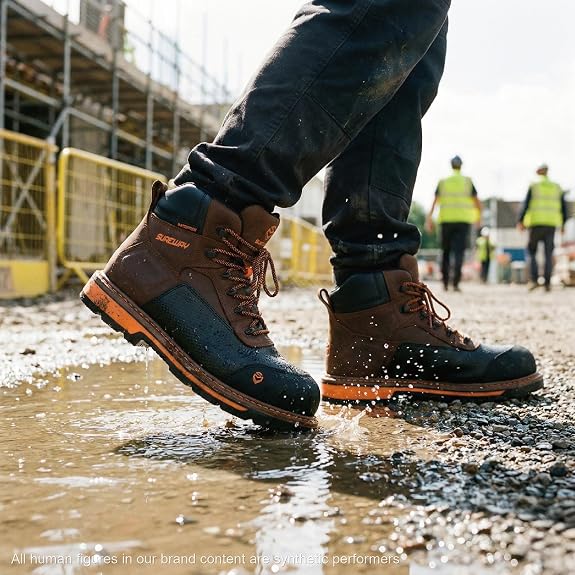
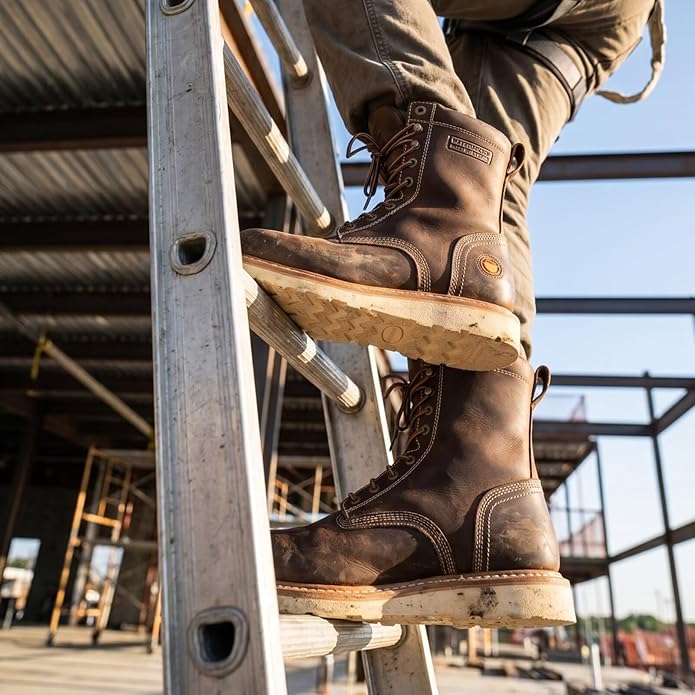
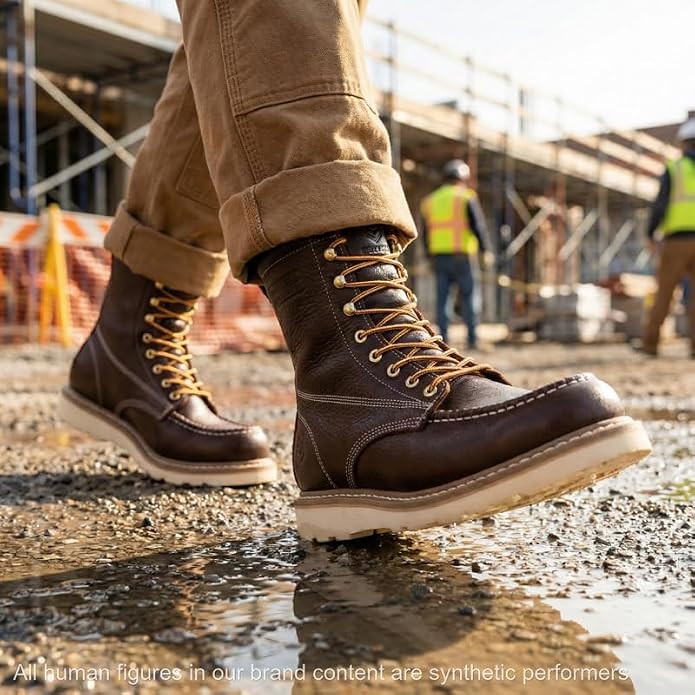
A mechanic's job demands skill, precision, and the right tools. Importantly, this includes the right protective gear for your feet. Proper mechanic work boots are not just a part of the uniform; they are an essential piece of safety equipment. They protect you from numerous workplace hazards. Then, choosing the correct pair is critical for your daily safety and long-term health.
Why Mechanics Need Specialized Work Boots
A mechanic's workspace is full of potential dangers. For this reason, standard footwear is simply not enough. Safety should always be a top priority in any garage or workshop. Common hazards are everywhere. For instance, you might encounter oil spills, falling heavy tools, or sharp metal objects on the floor. Specialized work boots provide a necessary barrier against these risks.
Wearing the right boots offers many benefits. Firstly, they prevent slips and falls on slick surfaces. Secondly, they guard your toes against impact from dropped parts or equipment. Additionally, they can protect you from electrical shocks and punctures from below. In short, a good pair of boots keeps you safe, comfortable, and focused on your work.
Key Features to Look for in Mechanic Work Boots
When shopping for your next pair, you should consider several key features. Each one plays a role in your overall safety and comfort.
Slip Resistance, Toe Protection, and More
Your work environment dictates the features you need most. For example, constant exposure to oils requires excellent slip resistance. A shop with heavy equipment demands robust toe protection. The following table breaks down the most important features.
|
Feature |
Description |
Best For |
|
Slip Resistance |
Outsoles are designed with special tread patterns and rubber compounds to grip oily, wet, or smooth concrete floors. This significantly reduces the risk of falls. |
All mechanics, especially in environments with frequent fluid spills. Look for boots specifically rated for oil and slip resistance. |
|
Steel Toe |
A heavy-duty steel cap is integrated into the front of the boot. It offers maximum protection against crushing and impact from heavy objects. |
Mechanics working with heavy machinery, engine blocks, and large tools. This is the traditional standard for impact protection. |
|
A protective cap is made from non-metal materials like carbon fiber, plastic, or Kevlar. It is lighter than steel and does not conduct electricity, heat, or cold. |
Mechanics who need protection but prefer lighter footwear or work in extreme temperatures. A great choice for electrical hazard work boots. |
|
|
Waterproof |
Boots feature a waterproof membrane or specially treated leather. This keeps feet dry from external moisture like water, snow, or cleaning fluids. |
Mechanics working in wet climates, outdoor environments, or wash bays. Waterproof mechanic boots prevent discomfort and foot health issues. |
|
Electrical Hazard (EH) |
The soles and heels are designed and constructed to offer secondary protection against accidental contact with live electrical circuits. |
Mechanics working on electric or hybrid vehicles. Also essential for anyone working near potential electrical sources. |
|
Durability |
High-quality materials like full-grain leather and Goodyear welt construction ensure the boots can withstand the harsh chemicals, oils, and abrasion of a garage. |
Every mechanic. A durable boot lasts longer, provides better long-term support, and offers greater value over time. |
|
Comfort |
Features like cushioned insoles, padded collars, moisture-wicking linings, and shock-absorbing midsoles reduce foot fatigue during long shifts. |
All mechanics who spend many hours on their feet. Comfort prevents pain in the feet, legs, and back. |
Steel Toe vs. Composite Toe: A Closer Look
Choosing between steel and composite toe protection is a common decision. Steel toe mechanic boots provide the highest level of impact resistance. They are a proven, reliable choice. However, they are heavier and can become very cold in winter.
On the other hand, composite toe work boots are much lighter. This can reduce fatigue over a long day. Since they contain no metal, they are ideal for mechanics who pass through metal detectors frequently. They also do not conduct temperature, keeping your feet more comfortable in hot or cold conditions. Both types must meet ASTM safety standards, so your choice depends on your specific needs for weight and thermal conductivity.
How to Choose the Right Mechanic Work boots
Selecting the perfect boot involves more than picking a style. You must assess your specific needs and know what makes a boot truly safe.
First, think about your daily work environment. Do you work mostly indoors on concrete floors? Or do you sometimes work outdoors in various weather conditions? Are you frequently exposed to oil and other fluids? The answers will guide you toward features like waterproofing and slip resistance.
Next, know boot safety certifications. In the United States, look for boots that meet ASTM F2413 standards. This label confirms the footwear has been tested for specific protective qualities. For example, it will specify ratings for impact resistance (I/75), compression resistance (C/75), and electrical hazard protection (EH). Knowing these codes helps you buy with confidence.
Finally, focus on sizing and fit. A poor fit can cause discomfort and even injury. Always try on boots at the end of the day when your feet are slightly swollen. Wear the same type of socks you would wear to work. There should be about a half-inch of space between your longest toe and the end of the boot. Moreover, your heel should not slip excessively when you walk. A snug, but not tight, fit is essential for all-day comfort.
Maintenance Tips for Your Work Boots
Proper care extends the life of your mechanic work boots and ensures they continue to protect you effectively. Consistent maintenance is a small investment of time that pays off.
For leather boots, cleaning is the first step. Use a brush to remove dirt and grime. Afterward, you can use a damp cloth with a bit of saddle soap to gently clean the leather. It is important to let the boots air dry naturally. Never place them near a direct heat source. This can cause the leather to dry out and crack. Once dry, apply a leather conditioner to keep the material supple and prevent it from cracking.
If you have waterproof mechanic boots, you may need to reapply a waterproofing treatment periodically. Over time, the original protective coating can wear off. Various sprays and waxes are available to restore this barrier. This is especially important if you frequently work in wet conditions.
Eventually, all work boots need to be replaced. Look for clear signs of wear and tear. These include cracks in the leather, a worn-down outsole with no tread left, or exposed toe caps. If the boots no longer provide adequate support or protection, it is time for a new pair. Your safety is worth the investment.
Common Questions and Answers
- What are the best work boots for mechanics?
The best boots offer slip resistance, steel or composite toes, and comfort features like memory foam insoles. Brands like Wolverine and Red Wing are highly recommended.
- Are steel toe boots necessary for mechanics?
Yes, steel toe boots protect against heavy tools and falling objects, making them essential for safety.
- How do I maintain my mechanic work boots?
Clean them regularly, apply waterproofing sprays, and condition leather to extend their lifespan.
- What is the difference between steel toe and composite toe boots?
Steel toe boots provide maximum protection, while composite toe boots are lighter and non-metallic, ideal for electrical work.
- How often should I replace my work boots?
Replace them when the soles wear out, the toe cap is exposed, or they no longer provide adequate support.
Comment