Chukka Boots vs. Chelsea Boots
Sep 18,2026 | Nancy Sureway
When it comes to casual boots for men, two styles dominate every well-built wardrobe: the chukka boot and the Chelsea boot. Both sit at ankle height. Both work with jeans, chinos, and everything in between. But the choice shapes your entire look. Should you go for an open lace system or a clean slip-on silhouette? This guide breaks down chukka boots vs. Chelsea boots by structure, fit, formality, and outfit pairings so you can pick the right pair with confidence.
Chukka Boots vs. Chelsea Boots
These two boot styles share a silhouette but differ in nearly every structural detail.
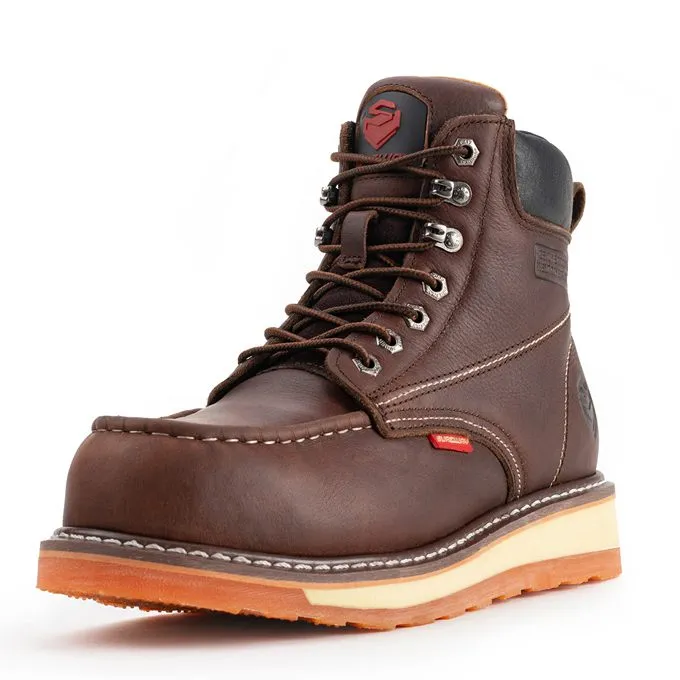
Chukka boots trace their roots to polo fields. They feature open derby lacing with just two or three eyelet pairs. The silhouette is rounded and relaxed. That open throat lets you adjust the fit across different foot shapes and instep heights.
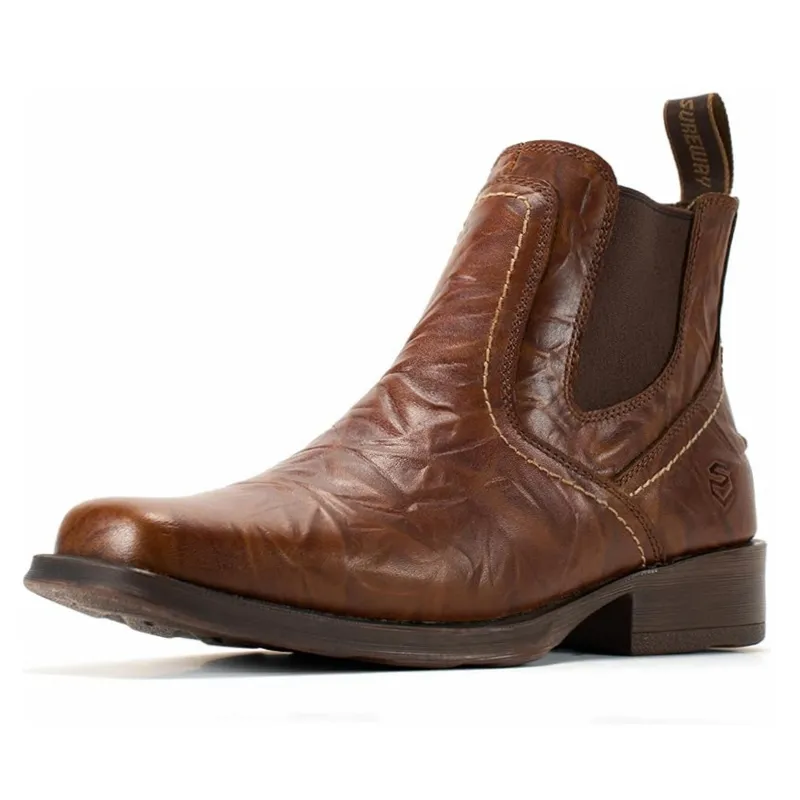
Chelsea boots emerged in Victorian England. Their defining feature is a completely lace-free upper. Two elastic side gores hold the fit, while a small pull tab at the back lets you slip them on in seconds. The result is a seamless, minimalist profile.
The silhouette difference matters for styling. Chelsea boots read as longer and leaner — ideal for elongating the leg. Chukka boots carry a rougher, desert-inspired aesthetic that suits casual and workwear outfits.
When building a versatile daily rotation, recognizing these structural differences helps you balance formal flexibility with rugged utility.
Chelsea Boots: The King of Sleek Versatility
Few boots move as smoothly between occasions as a well-made Chelsea. You can be at a job site in the morning and a business meeting in the afternoon — the same pair handles both.
The elastic gore construction means you're in and out in under three seconds. No laces to loosen. No tongue to tuck. That convenience adds up across a full workweek.
The clean upper also works for your proportions. Without eyelets or lace detail breaking up the vamp, the boot visually extends the leg line. This makes Chelsea boots a strong match with slim trousers and tailored chinos.
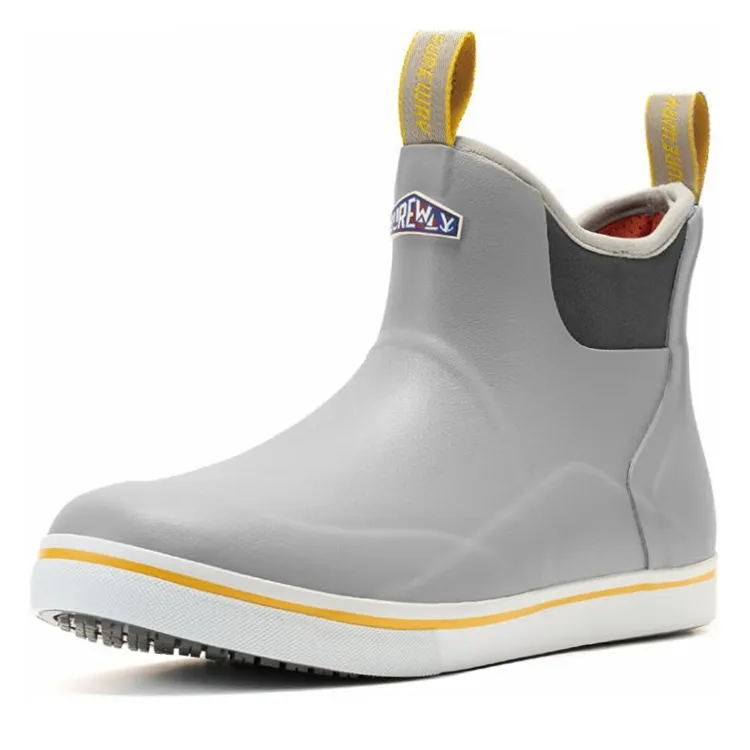
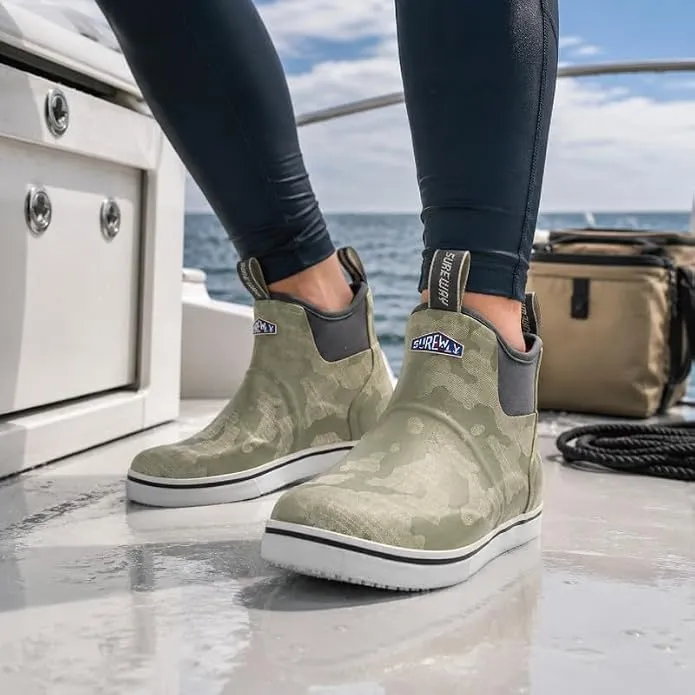
They also handle wet weather better than most lace-up styles. With no eyelet holes or tongue gap, there are fewer places for moisture to enter.
For unmatched versatility in both damp weather and professional settings, opt for premium leather chelsea boots crafted with waterproof full-grain uppers. To explore full styling formulas and leather grades, consult our comprehensive chelsea boots guide for modern men.
Best for: business casual, daily commuting, autumn and spring weather, smart-casual occasions.
Chukka Boots: The Champion of Rugged Relaxed Style
Where Chelsea boots excel in sleekness, chukka boots win on character. The open lacing gives you real control. You can widen the throat, redistribute tension, and customize the feel across the instep. For men with high arches or wider feet, this flexibility is a genuine advantage over a fixed elastic panel.
The typical chukka comes in full-grain leather or suede. Suede versions carry a soft, napped texture that adds depth and warmth to casual looks. Crepe soles are common and give the boot a relaxed, vintage edge.
Chukkas also pair naturally with heavier fabrics. Raw denim, waxed canvas, and thick-wale corduroy all sit well against the casual structure of a chukka boot.
If you prefer adjustable lacing that contours closely across your arches, structured casual leather shoes deliver durable support with a relaxed edge — built for days that move between sidewalk and job site.
Best for: weekend outings, raw denim outfits, outdoor-adjacent errands, relaxed creative environments.
Style & Outfit Pairing: Pants, Jeans & Hem Rules
Getting the hem right makes a real difference. Here is how each boot works with different bottoms.
With jeans: Chelsea boots look sharp with slim or tapered legs and a slight pinroll cuff. Rolling the hem one or two turns exposes the elastic gore and creates a clean break at the ankle. Chukka boots suit a straighter, full-length hem — especially with raw or selvedge denim left uncuffed. The boot's relaxed profile holds its own without the extra cuff.
With chinos and trousers: Chelsea boots handle tailored trousers better. The smooth toe and minimal silhouette keep the overall look sharp. Chukka boots lean toward utility chinos, cargo cuts, and relaxed khakis where their casual structure feels natural.
To master cuff breaks and prevent trouser stacking over boot shafts, review our styling tips for pairing boots for jeans across different leg cuts.
Frequently Asked Questions
- Which is more formal: Chelsea boots or Chukka boots?
Chelsea boots in polished dark leather are significantly more formal due to their seamless, minimalist silhouette. Chukka boots lean distinctly casual or smart-casual, especially in matte leathers or suede. - Are Chukka boots better for high insteps than Chelsea boots?
The open lacing on Chukka boots allows you to widen the throat and loosen tension over high insteps, whereas Chelsea boots rely entirely on the fixed tension of their elastic side panels. - Can you wear Chelsea boots and Chukka boots to work?
Both are excellent for business casual and office environments. However, for industrial job sites, choose safety-rated Chelsea work boots with steel toes and oil-resistant outsoles rather than delicate fashion boots. - Do Chelsea boots stretch out over time?
The leather vamp will mold to your foot shape naturally, but the elastic gore can gradually lose tension over years if overstretched by forcing boots on without using the pull tabs. - Which boot style is better for rainy weather?
Chelsea boots generally handle wet weather better because they eliminate eyelet holes and tongue gaps where moisture penetrates. Waterproof leather Chelsea boots keep feet drier in sudden downpours.
Comment