Best Steel Toe Boots for Construction
Oct 22,2026 | Nancy Sureway
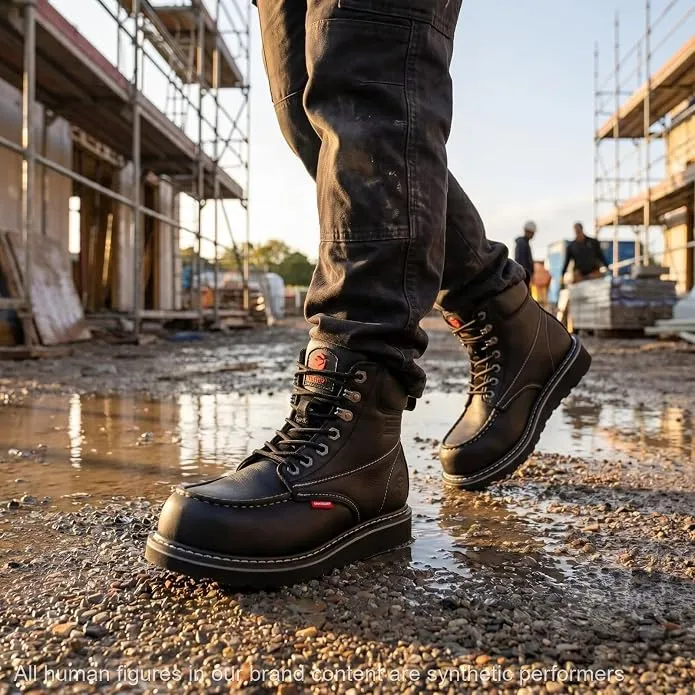
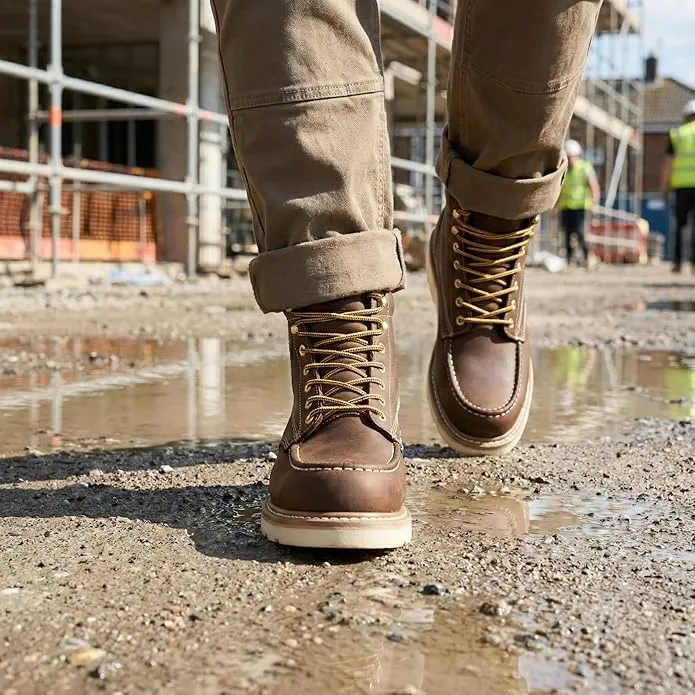
Choosing the best steel toe boots for construction is one of the smartest decisions you can make on the job. The right pair protects your feet, reduces fatigue, and keeps you productive through long shifts. This guide covers what to look for, which boots to consider, and how to match your boots to your role.
Why Steel Toe Boots Are Essential on Construction Sites
Construction sites are hazardous environments. Falling tools, rolling materials, sharp debris, and heavy equipment are daily risks. Steel toe work boots are built to absorb those hazards before they reach your feet.
Under ASTM F2413 standards, steel toe caps must withstand up to 75 ft-lbs of impact and 2,500 lbs of compression. That level of protection is hard to replicate with any other material. Beyond safety, steel toe boots also support ankle stability, reduce long-term joint strain, and help workers stay on their feet all day.

Key Features to Look for in the Best Steel Toe Boots for Construction
Toe Protection — Steel vs. Composite vs. Alloy: Which Is Right for Job Sites?
Steel toe caps lead the market for heavy-duty construction work. They are compact, strong, and rated for the highest impact levels. Composite toe caps are lighter and metal-free, making them useful for sites with metal detectors. However, for demanding job sites with falling objects and compression hazards, steel toe remains the top choice. Check out our full steel toe vs composite toe breakdown to compare both options in detail.
Sole Construction: Slip Resistance, Puncture Resistance & Wedge vs. Heel
A good outsole does more than grip the ground. It must also resist punctures from nails and rebar. Look for boots rated to ASTM F2413 for puncture resistance. Wedge soles work well on flat concrete surfaces. Heel soles give better traction on uneven terrain and ladders. Choose based on where you spend most of your time.
Waterproofing, Upper Material & Ankle Support for All-Day Construction Work
Construction sites often involve wet concrete, puddles, and rain. Full-grain leather uppers with a waterproof membrane keep moisture out without sacrificing durability. Proper ankle collar construction also prevents rolls and sprains, especially on uneven ground. This is a non-negotiable feature for any construction work boots used in tough conditions.
Comfort Features — Insoles, Cushioning & Break-In Period for 10-Hour Shifts
Comfort matters as much as safety. Cushioned insoles reduce impact on your heels and arches. Moisture-wicking liners keep your feet dry from the inside. A proper break-in period — usually one to two weeks — allows the leather to conform to your foot. Skipping break-in leads to blisters and discomfort during long shifts.
Top Sureway Steel Toe Boots for Construction Workers
Best 6-Inch Steel Toe Boot for Everyday Construction Use
The Sureway heavy duty steel toe boots in a 6-inch height offer the perfect balance of protection and mobility. They feature a slip-resistant outsole, a steel safety toe, and a full-grain leather upper. These boots are ideal for general contractors and workers who move between different areas of a job site throughout the day.
Best Waterproof Steel Toe Boot for Wet & Concrete Job Sites
For workers dealing with wet concrete, rain, or muddy ground, the Sureway waterproof steel toe construction shoes are the right pick. They include a sealed waterproof membrane and a cement-resistant outsole. Your feet stay dry and protected even during extended exposure to wet conditions.
Best 8-Inch Steel Toe Boot for Maximum Ankle Protection
When ankle protection is the priority, the Sureway 8-inch steel toe logger boots deliver. The taller shaft guards against debris, brush, and water intrusion. These boots are built for heavy-duty work on rough terrain and are a strong choice for equipment operators and loggers alike.
How to Choose the Right Steel Toe Boots for Your Construction Role
Boots for Concrete Masons, General Contractors & Heavy Equipment Operators
Your role determines which boot features matter most. Concrete masons need flat, slip-resistant soles and waterproof uppers. General contractors benefit from versatile 6-inch boots with solid ankle support. Heavy equipment operators need a defined heel for proper pedal control and high ankle support to reduce fatigue during long hours in a cab.
Sizing, Fit Tips & When to Replace Your Construction Boots
Always try on boots while wearing your work socks. Leave a thumb's width of space at the toe and make sure the heel sits snug without slipping. Replace your boots every 12 to 24 months, depending on wear. Watch for compressed midsoles, cracked leather, or worn-down outsoles — these are signs your boots no longer offer adequate protection.
FAQs
1. What makes steel toe boots better than composite toe for construction?
Steel toe caps offer impact resistance rated up to 75 ft-lbs under ASTM F2413. They are compact and built for heavy-duty compression hazards. Composite toe is lighter and metal-free, but steel toe remains the top choice for the most demanding job sites.
2. Are waterproof steel toe boots necessary for construction work?
Yes. Construction sites involve wet concrete, mud, and rain. Waterproof steel toe boots keep feet dry and reduce the risk of blisters and fungal issues during long shifts.
3. How long do steel toe construction boots typically last?
With proper care, they last 12 to 24 months under daily use. Full-grain leather uppers and quality outsoles extend boot life. Regular cleaning and conditioning also help.
4. Are 6-inch or 8-inch steel toe boots better for construction?
It depends on the role. 6-inch boots offer mobility for general construction work. 8-inch boots provide better ankle support for uneven terrain and heavy equipment operation.
Comment