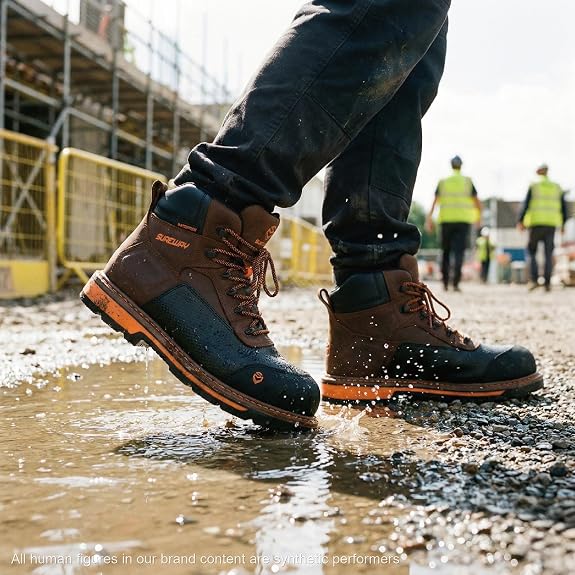
Work Boots with Arch Support
Nov 20,2026 | Chad
Warehouse workers, construction crews, and electricians spend 10 or more hours on their feet every shift. When arch support fails, the entire kinetic chain suffers — collapsed arches drive overpronation, overload the plantar fascia, and radiate pain into the knees and lower back. Choosing the right work boots with arch support is not a comfort upgrade; it is an injury-prevention decision that shapes how your body holds up over years of hard work.
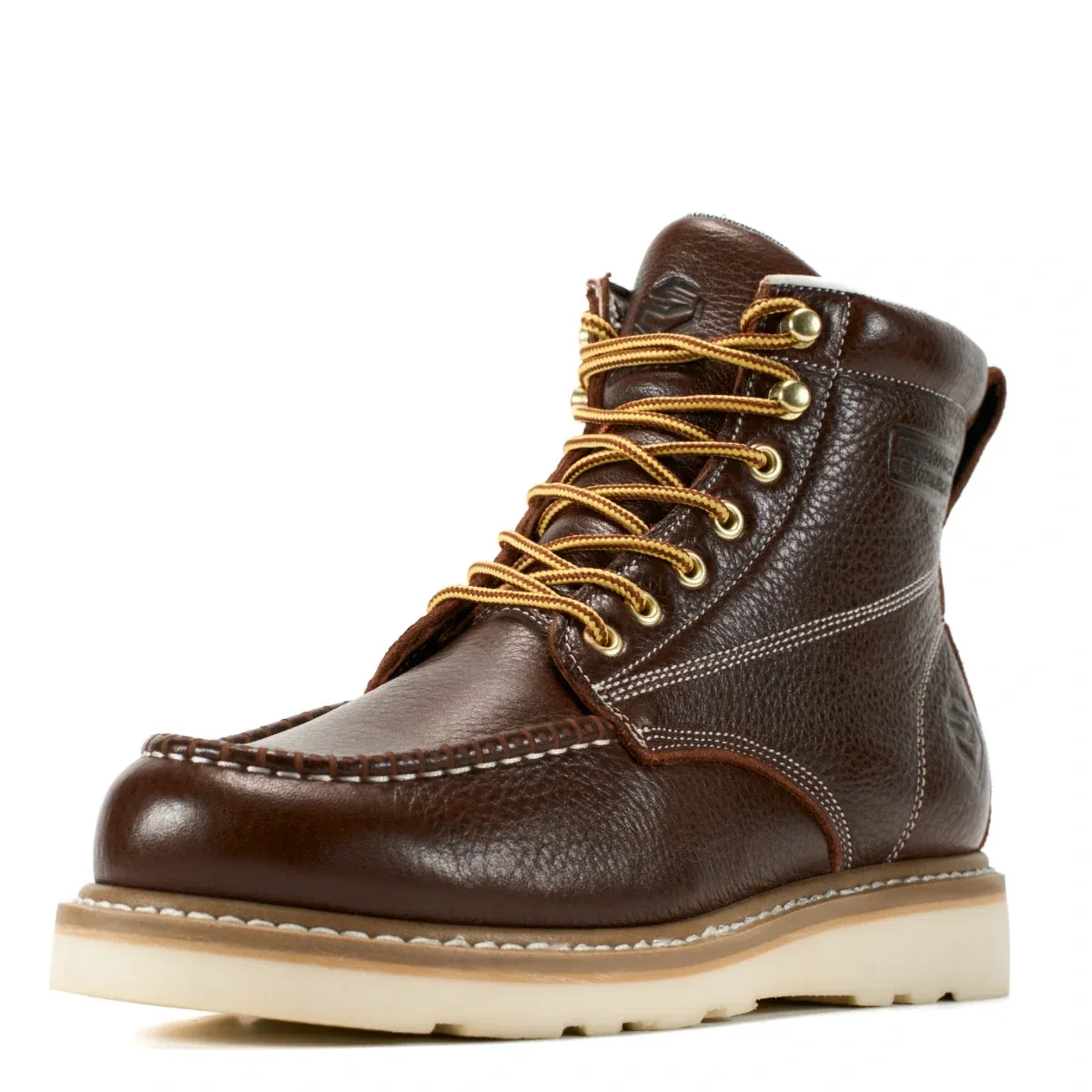
Why Arch Support Matters for All-Day Standing Trades
Every step transfers roughly 1.5 times your body weight through the foot. Without a stable arch, that force spreads unevenly, compressing the heel and ball of the foot on hard concrete or uneven ground. The result is early fatigue, hot spots, and, over time, plantar fasciitis or stress fractures. A boot engineered with structured arch support distributes load evenly, keeps the ankle in neutral alignment, and dramatically reduces end-of-shift pain.
Arch Support in Work Boots
Flat Feet vs. High Arches vs. Neutral Foot Mechanics
Flat feet (low or no arch) collapse inward under load, causing overpronation. High arches are rigid and absorb shock poorly, stressing the heel and ball. Neutral feet fall between both extremes and tolerate a wide range of footbeds. Each foot type needs a different support profile, which is why a one-size approach rarely works in demanding trade environments.
Relieving Plantar Fascia Strain and Correcting Overpronation
The plantar fascia runs from the heel to the toes and acts as the foot's tension cable. When the arch collapses, that cable is constantly overstretched — especially during the push-off phase of each step. A contoured arch panel holds the midfoot up, shortening the fascia's working range and cutting the inflammation cycle that produces morning heel pain.
Midsole Engineering (EVA/PU) and the Role of Removable Insoles
EVA midsoles are lightweight and absorb impact well but compress over time. PU midsoles are denser and retain their structure through long shifts. Either material provides a base layer of cushioning, but neither replaces a structured insole. A removable footbed lets you swap in a custom or semi-custom orthotic — which is the most effective upgrade for flat feet or plantar fasciitis.
Sureway Arch Support Work Boot Styles
Wedge Moc Toe vs. 6-Inch Steel Toe vs. Composite Toe vs. Slip-On
Wedge sole work boots use a flat, continuous outsole that creates a stable standing platform and reduces pressure peaks on hard floors. Moc toe work boots pair that sole geometry with a roomy toe box, making them ideal for workers who stand rather than climb. Steel toe work boots add impact protection for heavy-material sites, while composite toe styles cut weight for electrical work and security checkpoints. Slip-ons prioritize quick entry and are best supplemented with aftermarket work boot insoles.
Sole Profile, Cushioning, and Weight Metrics Matrix
|
Style |
Toe |
Arch Support |
Weight |
Best For |
|
Wedge Moc Toe |
Soft / Steel opt. |
Medium–High |
Medium |
Flat ground, long standing |
|
Steel Toe 6" |
Steel |
Medium |
Medium-High |
Construction, heavy loads |
|
Composite Toe |
Composite |
Medium |
Light |
Electrical, security checks |
|
Slip-On |
Soft / Steel opt. |
Low–Medium |
Light |
Fast entry, shop floor |
Matching Arch Support to Work Environments
Warehousing and Logistics on Hard Concrete Surfaces
Concrete is unforgiving. After a few hours, its zero give transmits shock directly into the heel and arch. Warehouse work boots built on a wedge sole spread that impact across a larger surface area. Pairing them with a contoured insole that cups the heel and bridges the arch adds the structured support that keeps feet functional through 10-hour shifts.
Construction Sites, Electrical Work, and Muddy Outdoor Grounds
Uneven terrain demands lateral stability as much as cushioning. On construction sites, a 6-inch steel toe boot with a deep heel cup prevents ankle roll on loose surfaces. For electrical work, a non-conductive composite toe boot with a cushioned midsole handles frequent kneeling and rising without stressing the arch. On muddy or wet ground, a waterproof upper paired with any of the above sole profiles keeps the foot dry — because a wet foot fatigues and blisters faster than a dry one.
How to Choose Work Boots with Arch Support
Selecting Removable Footbeds for Orthotic Upgrades
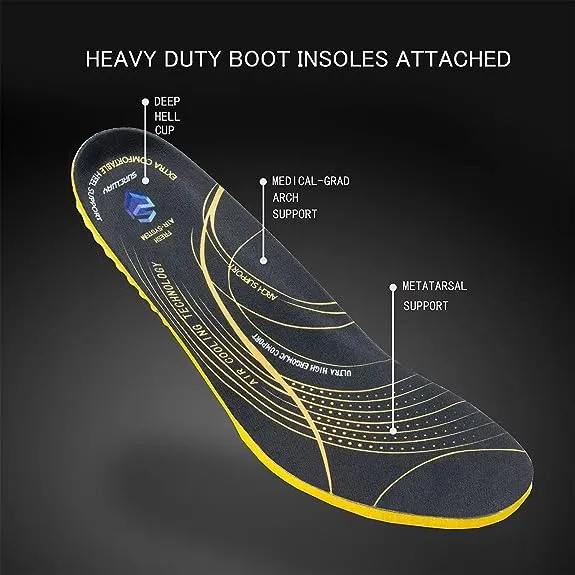
If your current boots lack structured support, swapping in dedicated work boot insoles is the fastest, most affordable fix for flat feet and plantar fasciitis. Look for a footbed with a firm arch shell, deep heel cup, and metatarsal pad. Full-length designs support the entire plantar surface; ¾-length versions fit narrower toe boxes.
Sizing Considerations, Width Options, and Break-in Management
Thick aftermarket insoles can reduce interior volume, so go up half a size when planning to add one. Width matters as much as length — a narrow boot compresses the arch laterally and negates the insole's benefit. Plan for a 1–2 week break-in period; arch-support boots are stiffer than casual footwear, and the midsole needs time to conform to your foot's specific pressure map.
Frequently Asked Questions
- Do work boots come with arch support built in?Some Sureway models feature a contoured midsole and a supportive removable footbed, but true structured arch support for severe flat feet usually comes from the insole, making a removable footbed essential for easy upgrading.
- Are work boots with arch support good for flat feet? A supportive arch reduces excessive overpronation and relieves tension along the plantar fascia, which are the primary causes of pain and foot fatigue for flat-footed workers.
- Can I add arch support to my existing work boots? Swapping out the standard insole for a dedicated ergonomic work boot insole is the fastest, most affordable upgrade to improve arch comfort and fits most standard boots.
- What is the best Sureway work boot for plantar fasciitis?A wedge-sole moc toe work boot paired with a cushioned midsole and an arch-support insole offers the most effective combination for distributing body weight evenly and relieving plantar fasciitis.
- How do I know if I need high or low arch support?Examine your foot imprint or perform a wet-foot test on paper. Flat feet require firmer, higher arch contouring to prevent collapse, whereas high arches require targeted cushioning beneath the heel and the ball of the foot.
Comment