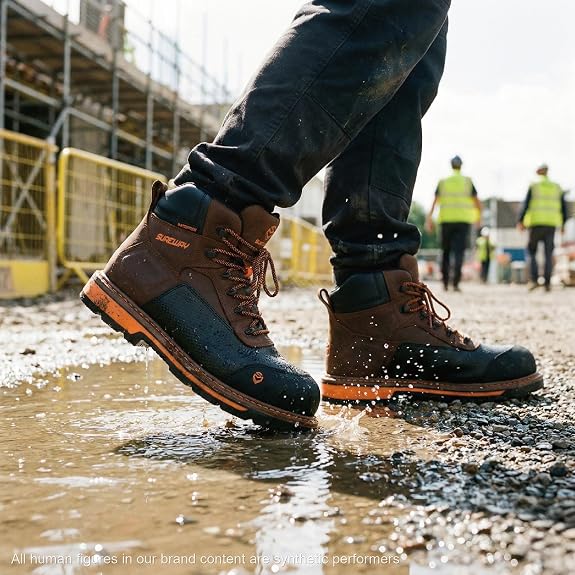
A Guide to Best HVAC Work Boots
Nov 20,2026 | Chad
HVAC technicians face a workday that most people never consider. One hour you're climbing a ladder to a rooftop condenser. The next, you're kneeling in a crawl space inches from live wiring. Standard footwear simply cannot keep up. The right hvac work boots must combine electrical hazard protection, slip resistance, waterproofing, and all-day comfort — all in one pair.
Why HVAC Technicians Need Specialized Work Boots
A typical HVAC service call sends technicians up ladders, across wet metal rooftops, into attics, and underneath flooring — often in a single shift. Each environment presents a different risk: electric shock near condensing units, falls on slick roof surfaces, soaking from condensate lines, and joint fatigue from hours of kneeling and crawling. No single-purpose boot covers all of these. Purpose-built hvac boots address every hazard at once, which is why investing in specialized footwear is a safety requirement, not a preference.
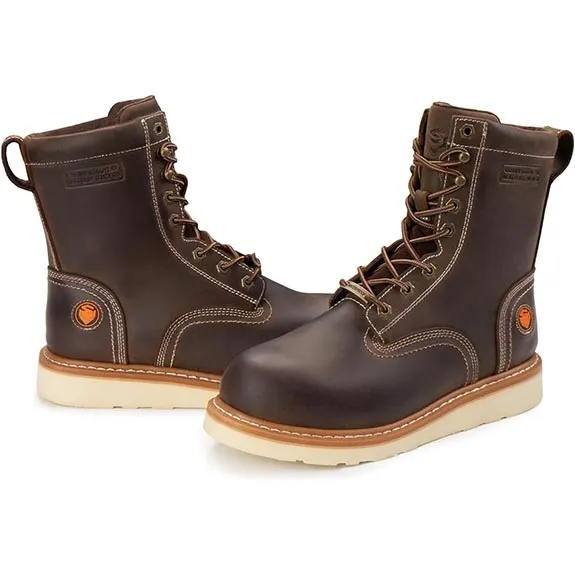
EH Rating: Electrical Hazard Protection
ASTM F2413 Dielectric Compliance Around Live Circuits
The ASTM F2413 Electrical Hazard (EH) standard requires that a boot's outsole and heel resist 18,000 volts at 60 Hz with no more than 1 mA of current leakage. For HVAC technicians working around control panels, motor wiring, and high-voltage condensing units, this rating creates a critical secondary barrier against electric shock. HVAC techs working around live circuits should demand the same EH-rated work boots Sureway builds for electricians.
Protecting Technicians from Step Voltage Near Compressors
Outdoor compressors and air handlers can develop ground faults that spread voltage across a wet surface. An EH-rated outsole interrupts that path before current can travel through the body. This protection matters most when the ground is wet — which, on many HVAC service calls, it is.
Slip Resistance for Ladders & Rooftops
Outsole Grip on Wet Metal Roofs and Ladder Rungs
Falls are the leading cause of serious injury in HVAC work. Wet metal rooftops and smooth aluminum ladder rungs offer almost no natural traction. An SRC-rated slip-resistant outsole — tested on both wet ceramic tile and steel — provides the multi-surface grip that keeps technicians stable. Deep, multi-directional lug patterns channel water away from the contact patch and maintain grip even on steep roof pitches.
Oil- and Chemical-Resistant Tread Compounds
Refrigerant oils, lubricants, and rust inhibitors routinely spill around compressors and air handlers. A tread compound rated for oil and chemical resistance prevents the outsole from glazing over time, so grip stays consistent well into the life of the boot — not just when the soles are brand new.
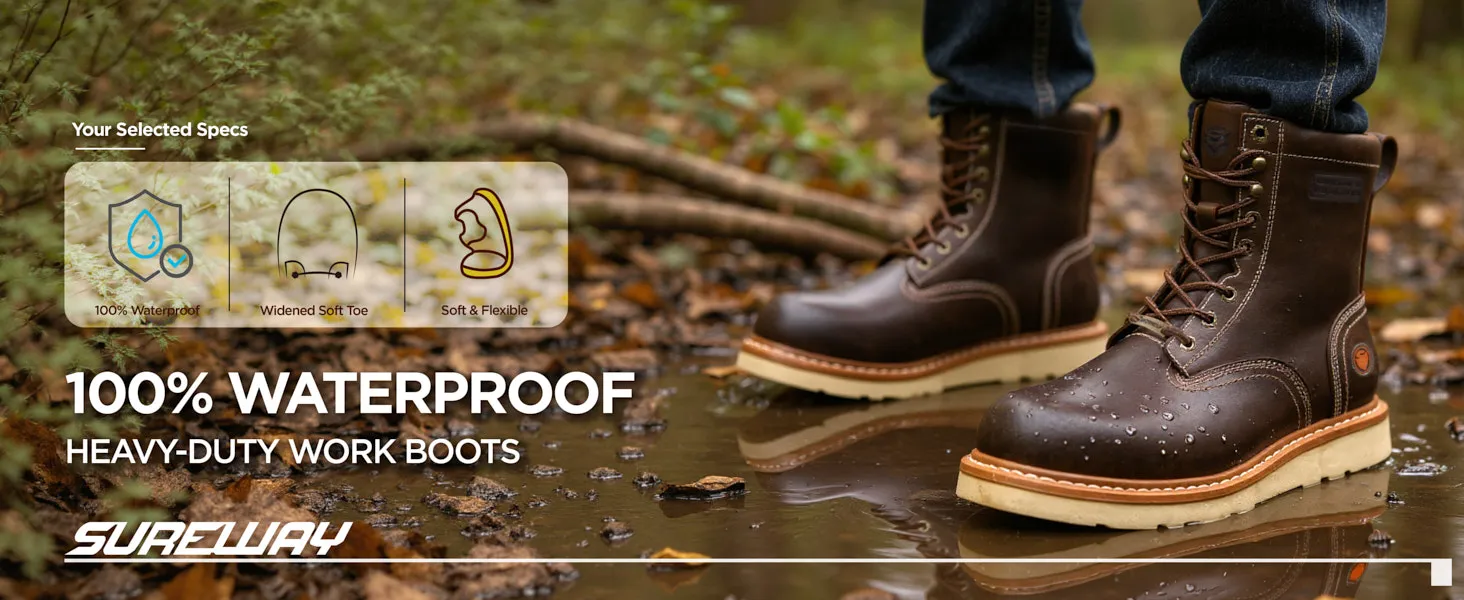
Waterproof vs. Water-Resistant for HVAC Work
Dealing with Wet Condensate Lines and Outdoor Weather
Condensate drain lines drip constantly. Outdoor unit pads collect rainwater. Service calls happen in all weather. For hvac technician boots, exposure to water is not occasional — it is routine. Wet feet cause distraction, discomfort, and over long shifts, real health problems. A fully waterproof boot eliminates that issue from the start.
Membrane Linings vs. Exterior Surface Treatments
Water-resistant boots use an exterior wax or spray coating that wears away with use. A waterproof membrane, bonded inside the boot upper, keeps water out even after the exterior leather or textile has been soaked through. For rooftop units and rain-soaked condensate lines, a membrane-lined pair of waterproof work boots keeps feet dry through a full service call. A waterproof safety-toe boots model that fuses electrical-style protection with membrane dryness covers most residential HVAC days.
Composite, Steel, or Soft Toe
Composite Caps for Thermal Insulation on Hot Rooftops
Composite toe caps are made from non-metallic materials — carbon fiber, Kevlar, or fiberglass — which means they do not conduct heat or cold. On a summer rooftop where surface temperatures can exceed 150 °F, a steel toe cap transfers that heat directly to the foot. A composite cap stays thermally neutral and also passes through metal detectors without issue. Toe protection that stays light and won't conduct heat on a hot roof — compare Sureway's composite toe work boots. For attic and crawl-space work specifically, a pair of lightweight composite toe boots gives protection without the extra weight.
Steel vs. Soft Toe for Crawling and Heavy Impact Protection
Steel toes meet the highest crush resistance ratings and are the right choice when technicians regularly move heavy equipment — commercial condensers, large air handlers, or packaged units. Soft toes sacrifice impact protection but provide maximum flexibility for crawl-space and attic work where no heavy drop hazard exists and the priority is freedom of movement. HVAC service overlaps heavily with pipefitters and plumbers — pipefitter work boots built for kneeling and crawling fit the same workday.
All-Day Comfort for Kneeling, Crawling & Long Hours
Flexible Soles and Padded Collars for Tight Spaces
Crawl spaces and attic floor joists demand that the boot flex naturally with the foot. A rigid sole that works well for flat-surface standing becomes a source of strain when the foot is bent at a sharp angle for extended periods. A padded, flexible collar prevents ankle abrasion during repeated kneeling and rising throughout the day.
Midsole Cushioning and Arch Support for Ladder Standing
Standing on a single ladder rung concentrates the entire body's weight on one narrow strip of the foot. Without adequate midsole cushioning and a firm arch shank, that pressure becomes painful within the first hour. Quality hvac work shoes and boots use a combination of EVA or polyurethane midsoles and reinforced arch shanks to distribute load evenly, reducing fatigue across a full eight-to-twelve-hour shift.
How to Choose?
The 5-Step HVAC Footwear Selection Framework
Use this checklist before purchasing any pair of hvac safety boots:
|
Step |
Feature |
Requirement |
|
1 |
EH Rating |
ASTM F2413 certified |
|
2 |
Slip Resistance |
SRC-rated outsole |
|
3 |
Waterproofing |
Internal membrane, not coating |
|
4 |
Safety Toe |
Composite, steel, or soft — match to job |
|
5 |
Comfort |
Cushioned midsole + arch support |
Frequently Asked Questions
Q1: Do HVAC technicians need EH-rated boots? Yes, because technicians routinely work around live electrical panels, wiring, and high-voltage condensing units, an ASTM F2413 EH rating is essential to insulate the outsole against electric shock.
Q2: Are waterproof boots necessary for HVAC work? They are strongly recommended; outdoor unit maintenance, rain-soaked service calls, and leaking condensate lines routinely expose technicians to wet environments where an internal waterproof membrane keeps feet dry.
Q3: Do HVAC techs need slip-resistant soles? Yes; slip-resistant outsoles provide crucial traction on wet metal rooftops, steep pitches, and smooth ladder rungs, helping prevent slips and falls that cause serious job-site injuries.
Q4: Composite, steel, or soft toe for HVAC? Composite toes are ideal because they protect against dropped tools without conducting roof heat or cold, steel toes offer maximum crush resistance against heavy equipment, and soft toes provide the greatest flexibility for indoor crawl spaces without drop hazards.
Q5: Can I use my everyday work boots for HVAC? Only if they possess an EH rating, a slip-resistant outsole, and durable waterproofing; standard boots often lack at least one of these three critical safety features required for HVAC work.
Comment