What are the Best Work Boots for Electricians
Mar 27,2026 | Chad Sureway
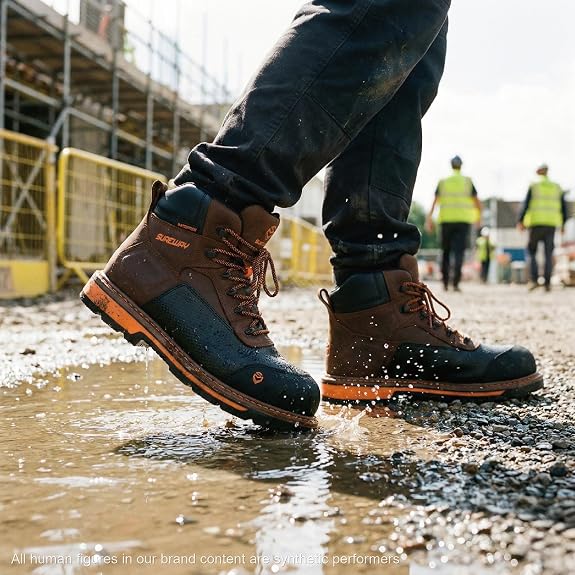
You need the right work boots electrician gear for daily safety. Electrical work presents severe daily hazards. Proper footwear protects your feet from live circuits. Good boots block dangerous electrical currents completely. You stay safe on the job every single day. Professionals demand specific safety ratings for workplace footwear. You must evaluate several critical factors before you buy electricians work boots. Proper footwear prevents serious workplace injuries. You need comfortable boots for long shifts. In this article, Sureway will explore features and considerations for selecting the best work boots for electricians.
Best Work Boots for Electricians
Professionals choose specific footwear for daily hazards. Manufacturers build these boots with specialized materials. You need robust protection against high voltage.
EH (Electrical Hazard) rating
EH rated boots protect you from electric shock. The outsoles resist electrical currents effectively. You must check the ASTM safety labels first. The materials stop electricity from reaching the ground. You survive accidental contact with live wires. Manufacturers test these boots under strict conditions. They guarantee protection up to specific voltage limits.
Waterproofing
Electricians often work in wet environments. Water conducts electricity very quickly. Waterproof boots keep your feet completely dry. Dry feet prevent electrical conductivity accidents. Also, waterproof materials block rain and mud. You maintain a safe barrier against moisture. Manufacturers use specialized liners for this purpose. You stay comfortable during outdoor tasks.
Lightweight materials
Heavy boots cause extreme fatigue during long shifts. You walk many miles on job sites daily. Lightweight materials reduce strain on your legs. Composite toe work boots offer great protection. Furthermore, composite materials weigh less than steel. You move faster and climb ladders easily. Modern synthetic materials provide incredible durability. You save energy throughout your workday.
Key Features of Work Boots Electrician
You must evaluate specific features before your purchase. Every feature serves an important safety function.
Electrical Hazard Protection
You require absolute defense against electric shocks. Boots must feature non-conductive soles and heels. These soles block electricity paths to the ground. Accordingly, you handle high-voltage tasks safely. Rubber and polyurethane outsoles offer excellent resistance. You check the EH rating on the boot tongue.
Comfort and Fit
Comfort dictates your daily work performance. Tight boots cause severe foot pain. Loose boots create nasty blisters. You need good arch support for long hours. EVA midsoles cushion your every step. Memory foam insoles support your foot shape.
Durability
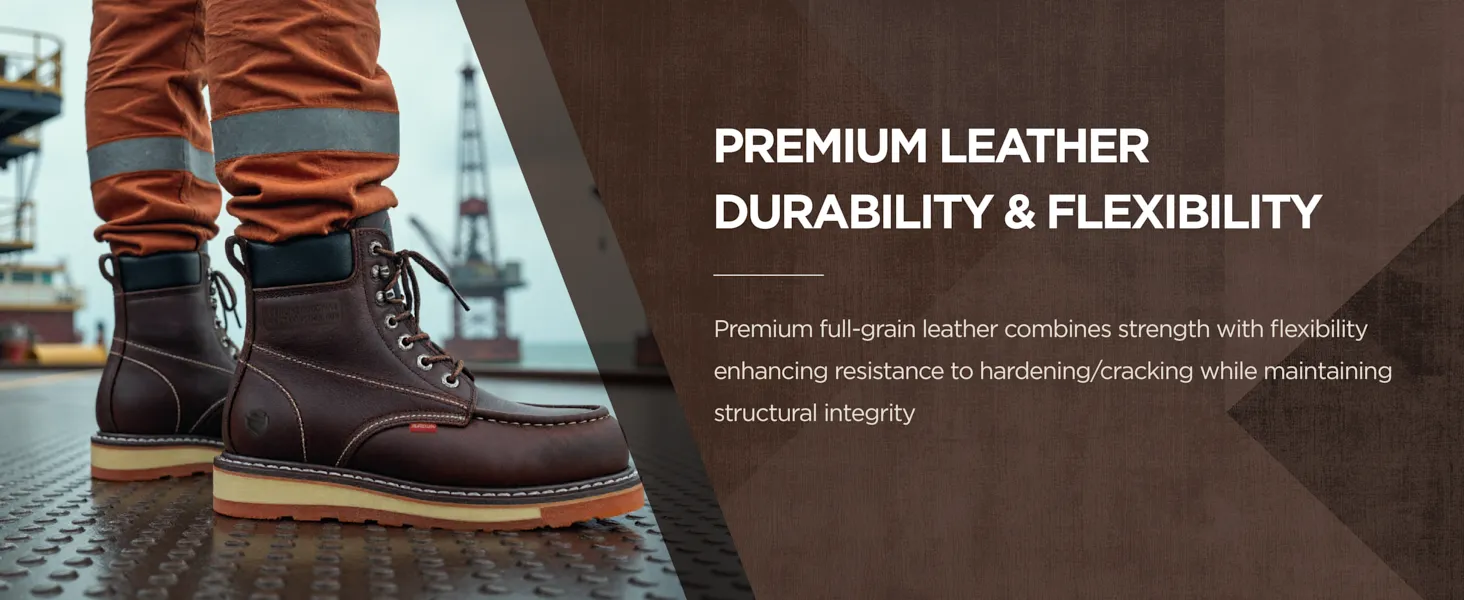
Job sites destroy cheap footwear quickly. You need premium leather for long-lasting wear. Full-grain leather withstands cuts and abrasions. Reinforced stitching prevents annoying seam blowouts. Tough materials survive concrete floors and gravel.
Traction and Slip Resistance
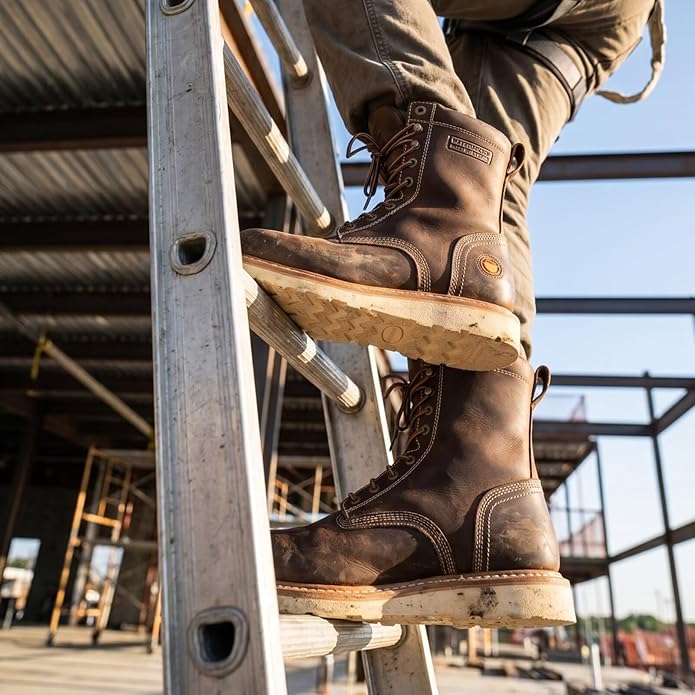
Slick surfaces cause dangerous workplace falls. You need aggressive tread patterns for solid grip. Slip-resistant outsoles grab oily floors tightly. Rubber lugs dig into loose dirt. Likewise, you climb wet ladders with complete confidence. Good traction prevents terrible workplace accidents.
Specifications and Comparisons
You must compare different boot materials carefully. The following table details the main safety options.
|
Feature |
Composite Toe |
Steel Toe |
Soft Toe |
|
Weight |
Lightweight |
Heavy |
Very Light |
|
Impact Protection |
High |
Maximum |
None |
|
Electrical Conductivity |
Non-conductive |
Conductive exterior |
Non-conductive |
|
Temperature Insulation |
Excellent |
Poor |
Good |
|
Best Environment |
High voltage sites |
Heavy machinery areas |
Indoor light work |
|
Cost |
Higher |
Moderate |
Lower |
Sureway Work Boots Electrician
Many electricians seek affordable and safe footwear. We sale excellent budget-friendly work boots. You get premium safety features for less money. Sureway builds reliable composite toe work boots. The non-metallic toe caps stop heavy objects. The EH rating meets strict industry standards.
Thus, you get top-tier protection safely. We use durable leather for the uppers. You enjoy strong ankle support on uneven ground. The slip-resistant soles grab ladders firmly. At last, the cushioned insoles stop foot fatigue. You buy electricians work boots without breaking the bank.
Maintenance Tips for Electricians Work Boots
Proper care extends the life of your footwear. You maintain the safety features with regular maintenance.
Cleaning
Dirt degrades leather materials over time. You use leather cleaners every week. A soft brush removes dried mud easily. Harsh chemicals destroy the waterproof membranes. You wipe the boots with a damp cloth. Afterward, you apply quality waterproofing sprays. This spray restores the protective barrier. You keep the boots flexible and strong.
Storage
Moisture destroys boot linings rapidly. You keep boots in a dry space. Ventilated areas evaporate sweat quickly. You avoid direct sunlight for storage. Sunlight cracks natural leather materials. Additionally, you use cedar boot trees. Boot trees maintain the original boot shape. They also absorb internal moisture overnight.
Replacement
Worn boots compromise your workplace safety. You replace boots every twelve to eighteen months. Bald outsoles lose all slip resistance. Cracked leather allows dangerous water ingress. Exposed safety toes fail safety inspections. Also, compressed midsoles cause severe foot pain. You inspect your boots every single month. You buy new boots at the first sign of failure.
Common Questions and Answers
- Are steel toe boots safe for electricians?
Yes, steel toe boots are safe as long as they are EHrated, ensuring they don’t conduct electricity.
- How often should electricians replace their work boots?
Replace boots every 1218 months or sooner if the soles or safety features are compromised.
- What’s the difference between composite toe and steel toe boots?
Composite toes are lighter and nonmetallic, while steel toes offer maximum protection but are heavier.
- Can electricians wear wedge boots?
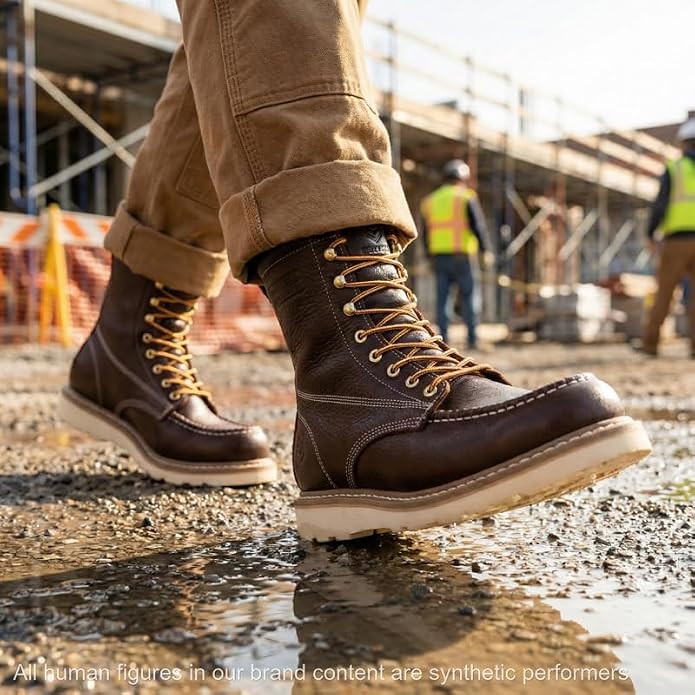
Yes, wedge boots are comfortable for flat surfaces but may lack traction for uneven terrains.
Comment