Why Choose Soft Toe Logger Boots?
Mar 27,2026 | Chad Sureway
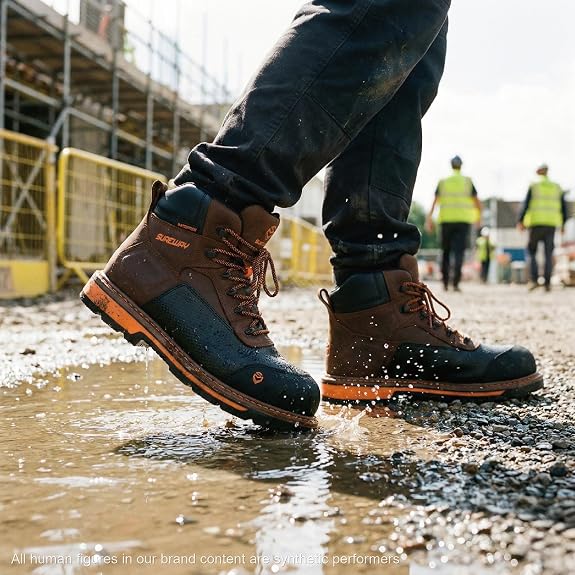
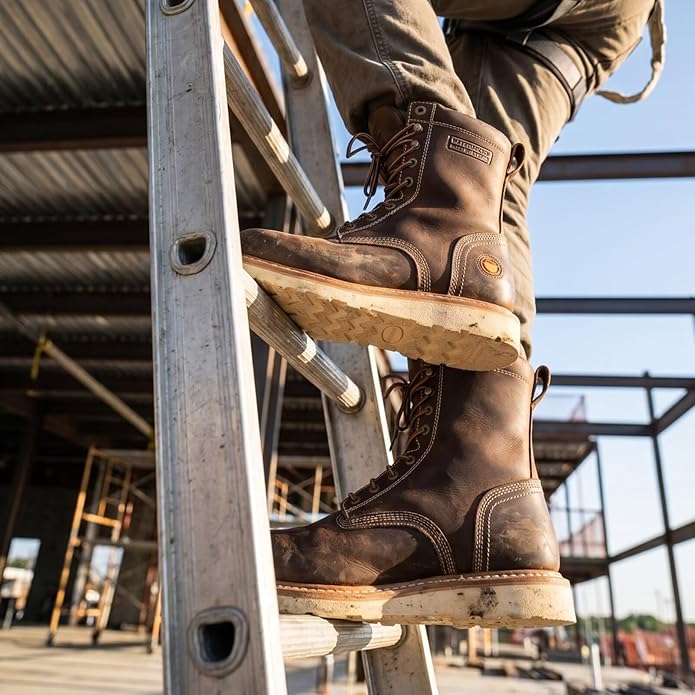
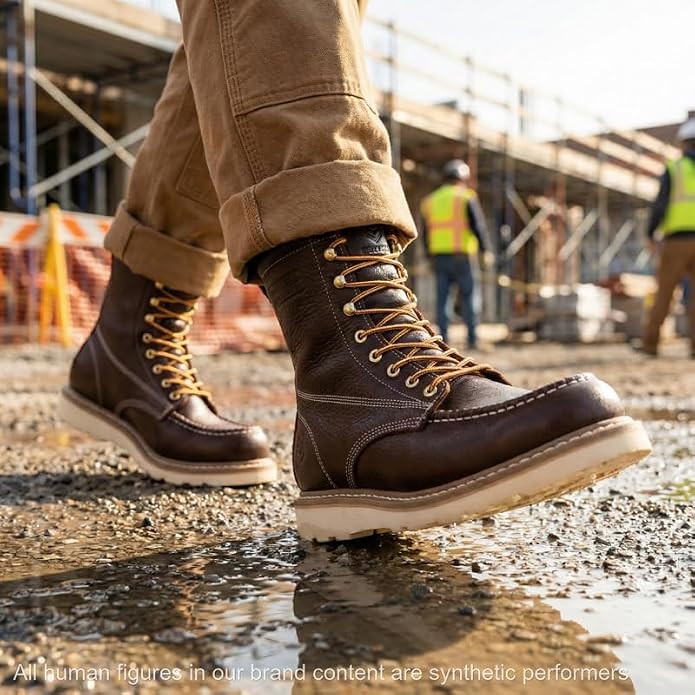
Workers need reliable footwear for demanding environments. Soft toe logger boots provide exceptional flexibility and daily comfort. Professionals choose soft toe logger boots to reduce foot fatigue during long shifts. These boots lack heavy metal inserts. Therefore, they offer a lighter alternative for daily labor. Many outdoor jobs require soft toe logger boots for better mobility. In this article, Sureway boots will explore the benefits of soft toe logger boots, highlights the importance of waterproofing, and provides essential maintenance tips to ensure your boots stay durable and reliable for years to come.
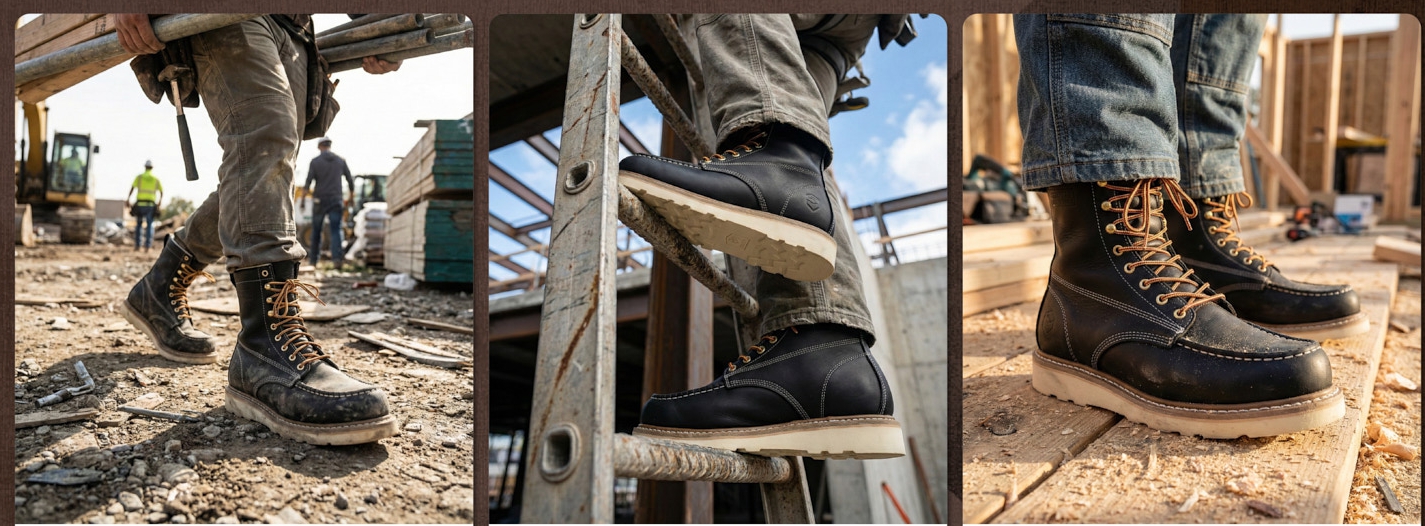
Why Choose Soft Toe Logger Boots?
Soft toe logger boots deliver superior comfort over rigid alternatives. The absence of a metal cap reduces the overall boot weight significantly. Additionally, the soft toe design prevents cold transfer during winter months. Metal toes trap cold air around the toes. On the other hand, soft materials retain body heat better. Workers experience fewer blisters with soft toe logger boots. The flexible toe box bends naturally with the foot. Furthermore, you can find heavier options like Safety toe logger boots for different hazard environments. For non-hazard zones, soft toes win in comfort.
Professionals use soft toe logger boots across various industries. Foresters rely on them for hiking steep, uneven terrains. The aggressive tread patterns grip loose soil securely. Farmers wear them for daily chores around the property. Landscapers benefit from the flexible fit during constant bending and kneeling.
How to Maintain Your Logger Boots
Proper maintenance extends the lifespan of your work footwear. You must clean and condition your boots regularly.
Cleaning and conditioning tips
Brush off dirt and mud after every shift. Heavy mud draws natural oils out of the leather. Use a damp cloth to wipe the surface clean. Let the boots dry at room temperature. Never place them near a heater. Heat cracks the leather rapidly. Afterward, rub a high-quality leather conditioner into the material. The conditioner keeps the leather supple and strong.
Waterproofing sprays and products
You must reapply protective coatings monthly. Use specialized waterproofing sprays for leather footwear. Hold the spray can six inches away from the boot. Coat the entire surface evenly. Pay extra attention to the seams. Beeswax products also work exceptionally well. You rub the wax directly into the leather pores.
Regular inspections
Inspect your boots weekly for early damage. Look for separating soles or frayed stitching. Check the laces for weak spots. Replace broken laces immediately. Examine the tread depth on the bottom. Worn treads reduce traction drastically. Early detection saves you money in the long run.
Choosing the Right Logger Boots for Your Needs
You must evaluate several factors before purchasing new work boots.
Fit, material, sole type, and insulation
Select boots with premium full-grain leather uppers. Leather provides the highest durability. Examine the outsoles carefully. Slip resistant logger boots feature deep rubber lugs. These rubber compounds grip slippery surfaces tightly. Consider the climate in your region. Insulated boots trap heat for winter work. Uninsulated boots breathe better during summer months.
How to measure your foot
Measure your feet at the end of the workday. Feet swell naturally throughout the day. Wear your thickest work socks during the measurement. Stand up straight on a piece of paper. Trace the outline of both feet. Measure the distance from the heel to the longest toe. Use the larger foot measurement for your boot size.
Logger Boot Specifications Comparison
You can review the differences between boot types below.
|
Feature |
Soft Toe Logger Boots |
Safety Toe Logger Boots |
|
Toe Protection Level |
Low (No impact resistance) |
High (Meets safety standards) |
|
Boot Weight |
Lightweight |
Heavy |
|
Flexibility |
High flexibility |
Rigid front section |
|
Temperature Control |
Retains heat well |
Conducts cold/heat quickly |
|
Primary Use Case |
General labor, hiking, farming |
Construction, heavy industry |
Frequently Asked Questions
- What are soft toe logger boots best for?
Soft toe logger boots are ideal for jobs requiring flexibility and comfort, such as general labor and outdoor work, where toe protection is not mandatory.
- Are waterproof logger boots truly effective?
Yes, waterproof logger boots use advanced materials like leather with waterproof membranes to keep feet dry in wet conditions.
- How do slip resistant logger boots work?
They feature specially designed outsoles with deep treads and rubber compounds to provide excellent grip on slippery surfaces.
- Can soft toe logger boots be used for hiking?
Absolutely! Many soft toe logger boots are designed for rugged terrains, offering great traction and support for hiking.
- How do I maintain waterproof logger boots?
Clean them regularly, apply leather conditioner, and use waterproofing sprays to maintain their water resistance and durability.
Comment