Why You Need Work Boots Composite Toe
Apr 29,2026 | Chad Sureway
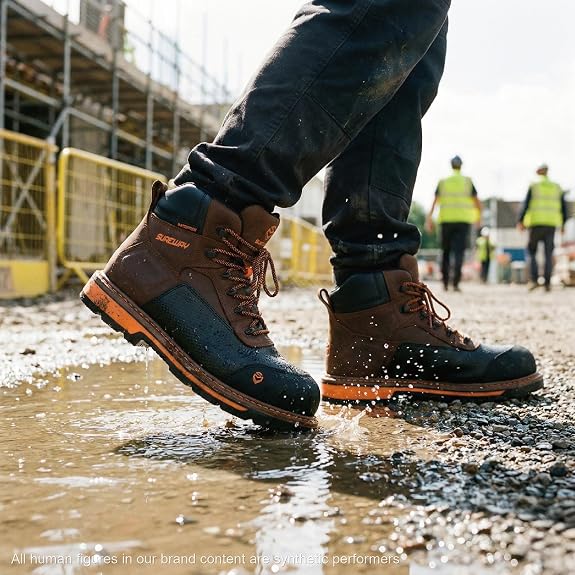
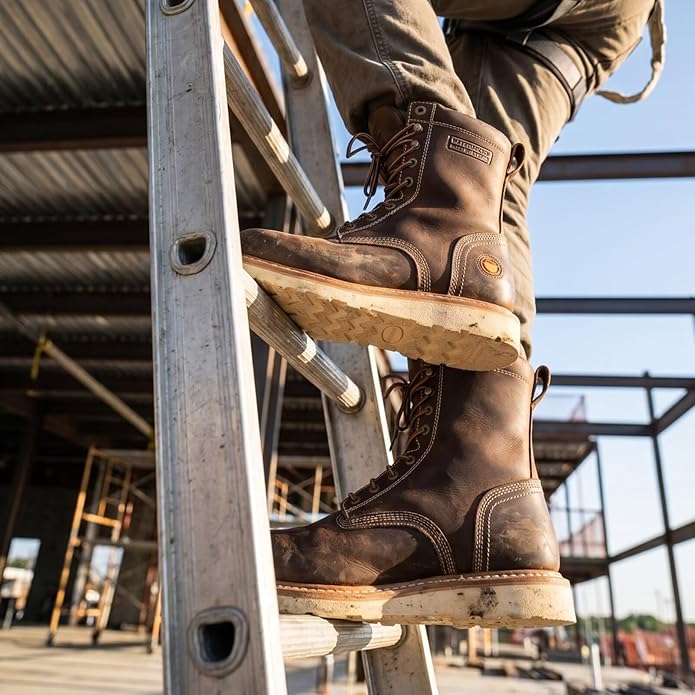
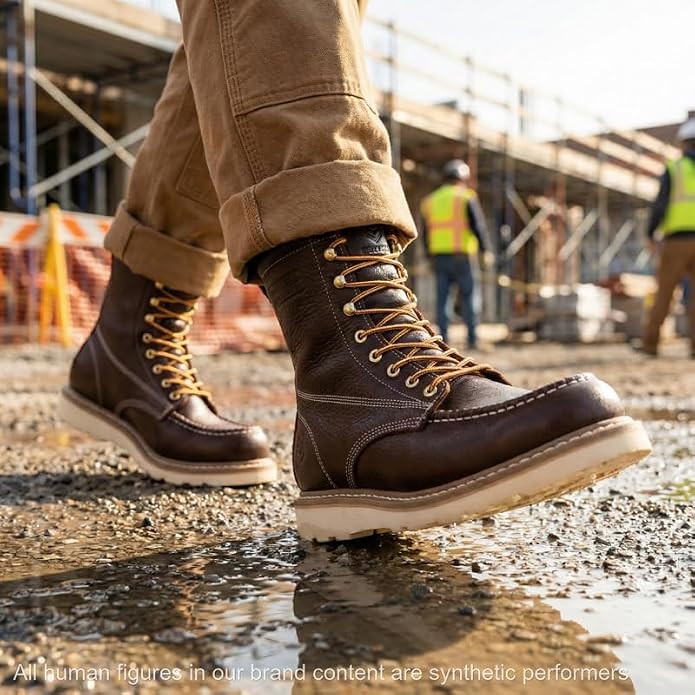
Workers face numerous hazards on job sites daily. You need reliable protection for your feet. Finding the right safety footwear ensures your comfort and safety. You should consider work boots composite toe for your daily tasks. These boots provide excellent protection. They use advanced non-metallic materials. The design keeps your feet safe from heavy impacts. Modern safety gear requires smart material choices. Composite materials offer a great alternative to traditional steel. You experience better mobility throughout your shift. Furthermore, these boots meet strict safety regulations. Employers mandate proper footwear for hazardous environments. Choosing the right work boots prevent serious workplace injuries.
Why Choose Work Boots Composite Toe?
Lightweight and Comfortable
First thing to remember, composite materials weigh significantly less than steel. Manufacturers use Kevlar, carbon fiber, or tough plastics. You feel less foot fatigue after long hours. Lighter boots allow faster movement on the job. Then, your overall energy levels remain higher. Employees walk miles every single day. Heavy footwear strains leg muscles. A lighter boot solves this problem easily. In addition, you get superior arch support. Many brands design slip on work boots composite toe for quick wear. You slip them on quickly before your shift starts. Overall, comfort increases productivity on the job.
Non-Metallic and Security-Friendly
Many workplaces use metal detectors for security checks. Traditional steel toes trigger these alarms constantly. Security personnel waste time checking your footwear. The other hand, composite toe work boots pass through scanners silently. Airport workers prefer this non-metallic option. Nuclear plant employees also benefit from metal-free gear. Courthouse staff save time during daily entries. Obviously, you avoid the hassle of removing your shoes. You keep moving through security checkpoints easily. This feature saves valuable time every single morning.
Insulation from Extreme Temperatures
Steel conducts heat and cold rapidly. Winter weather turns metal toes into iceboxes. Summer heat makes metal toes unbearably hot. By comparison, composite materials do not conduct temperature. Your feet stay warm during freezing winter shifts. You remain cool under the blazing summer sun. Therefore, workers in extreme climates prefer composite options. Certain jobs require work boots composite toe waterproof models. These specific boots keep moisture out completely. You maintain dry feet in wet conditions. Extreme environments demand proper temperature control. You perform better with comfortable feet.
Safety Features of Work Boots Composite Toe
ASTM Safety Standards
Safety comes first on any job site. Composite boots meet strict ASTM safety standards. Testing labs drop heavy weights onto the toe cap. The caps resist massive compression forces. You receive the same impact rating as steel alternatives. Employers accept these boots on modern construction sites. Safety managers approve them for heavy industrial work. Without a doubt, your toes remain completely safe. You trust your equipment during dangerous tasks. The materials absorb shock effectively.
Electrical Hazard Protection
Electricians face unique dangers daily. Live wires present lethal risks. Non-metallic boots block electrical currents effectively. You get important protection against electrical hazards. Power grid workers rely on this non-conductive barrier. Maintenance crews need this exact safety feature. Thus, you prevent severe electrical shocks. You work confidently around high voltage equipment. Safety protocols require proper grounding footwear. These boots fulfill all electrical safety requirements.
Durability and Longevity
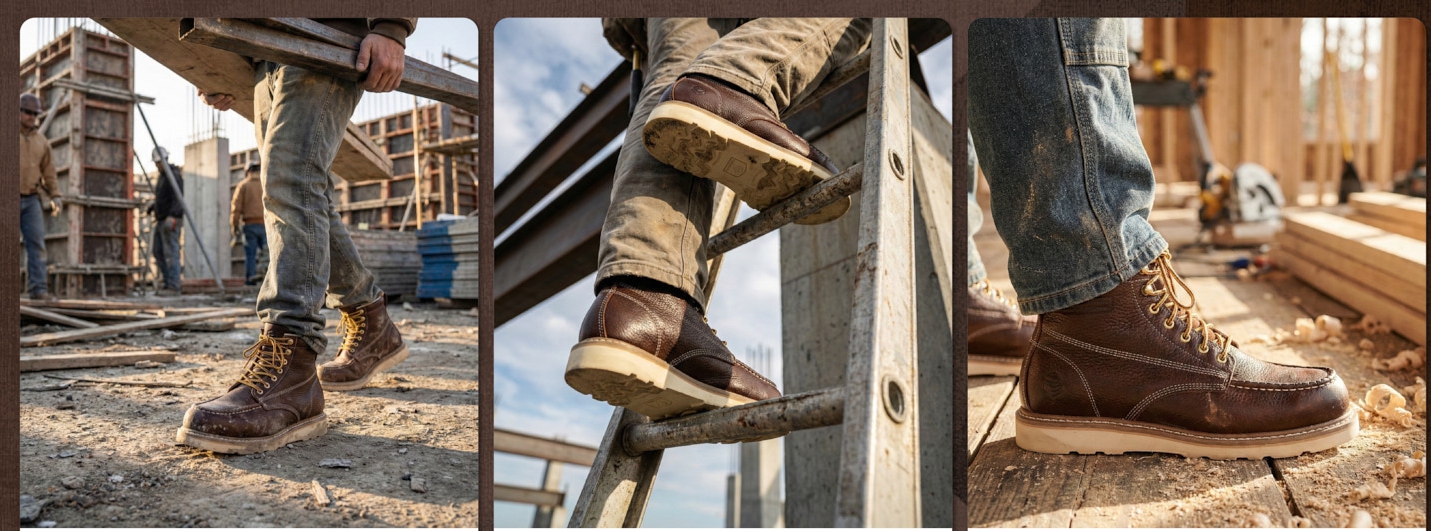
Job sites destroy weak footwear quickly. Tough materials resist daily wear and tear. Kevlar and carbon fiber withstand immense abuse. The toe caps do not dent after an impact. Steel toes bend and trap toes sometimes. Composite toes bounce back to their original shape. Accordingly, you save money over time. Your boots last through multiple tough seasons. Manufacturers build them for brutal environments. You get maximum value from your purchase.
Composite Toe vs. Steel Toe: Which Is Better?
Workers debate between composite and steel options constantly. You must evaluate your specific workplace needs. The following table compares both materials directly.
|
Feature |
Composite Toe |
Steel Toe |
|
Weight |
Very lightweight |
Heavy |
|
Comfort |
High comfort for long shifts |
Moderate comfort |
|
Durability |
Resists dents completely |
Prone to dents |
|
Insulation |
Excellent temperature control |
Poor temperature control |
|
Cost |
Slightly higher initial price |
Lower initial price |
You look at the comparison table above. You clearly see the benefits of modern materials. Lightweight designs win in daily comfort. Steel still works for specific tight budgets. However, composite options provide better all-around daily wear.
Who Should Wear Composite Toe Work Boots?
Specific professionals benefit greatly from these boots. Electricians need non-conductive footwear. Airport security staff require metal-free shoes. Warehouse workers walk vast distances daily. At last, they need lightweight protection. Delivery drivers prefer flexible sole designs. Engineers inspect cold environments frequently. They demand proper insulation. Additionally, construction workers avoid metal toes in hot climates. Plumbers need waterproof models for wet environments. Anyone seeking daily comfort chooses this modern footwear. At last, your daily tasks dictate your shoe choice. You analyze your environment carefully. You pick the best tool for the job.
Common Questions and Answers
- What are composite toe work boots made of?
Composite toe boots are made from non-metallic materials like Kevlar, carbon fiber, or plastic, offering lightweight and durable protection.
- Are composite toe boots as safe as steel toe boots?
Yes, composite toe boots meet the same ASTM safety standards for impact and compression resistance as steel toe boots.
- Do composite toe boots work in extreme temperatures?
Yes, they provide better insulation than steel toe boots, keeping feet comfortable in both hot and cold environments.
- Can composite toe boots be used in electrical hazard areas?
Absolutely. Their non-metallic construction makes them resistant to electrical hazards, ideal for electricians and similar roles.
- Are composite toe boots lighter than steel toe boots?
Yes, composite toe boots are significantly lighter, reducing foot fatigue during long work shifts.
Comment