Key Features of Warehouse Work Shoes
Apr 03,2026 | Chad Sureway
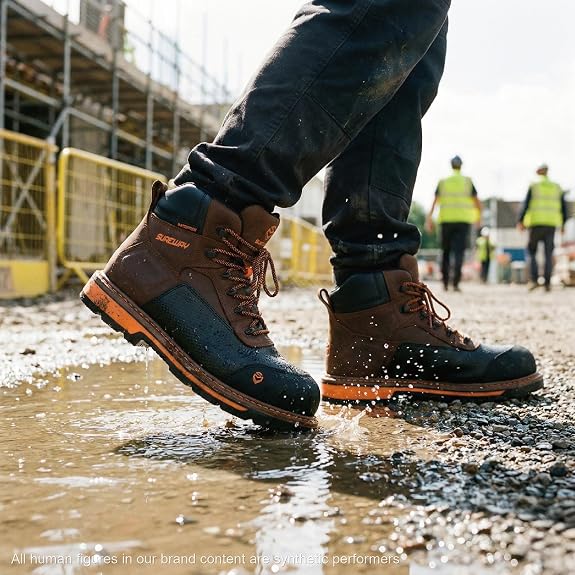
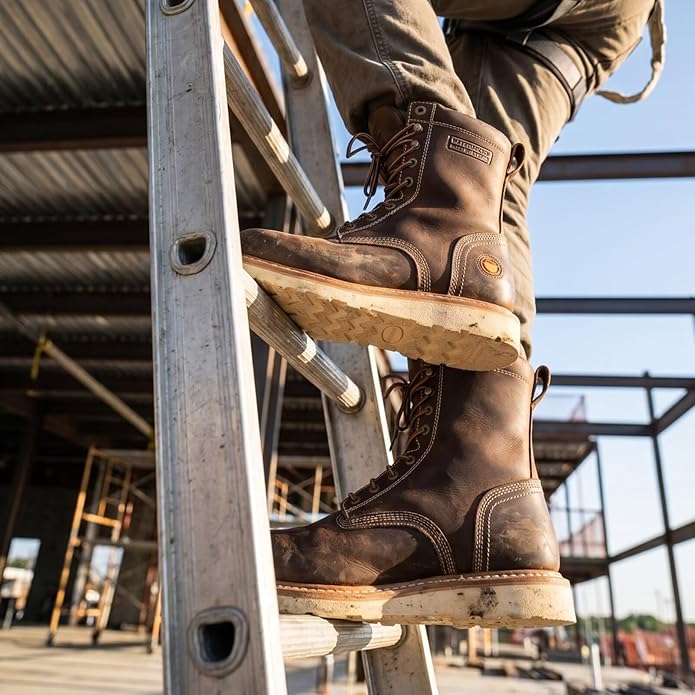
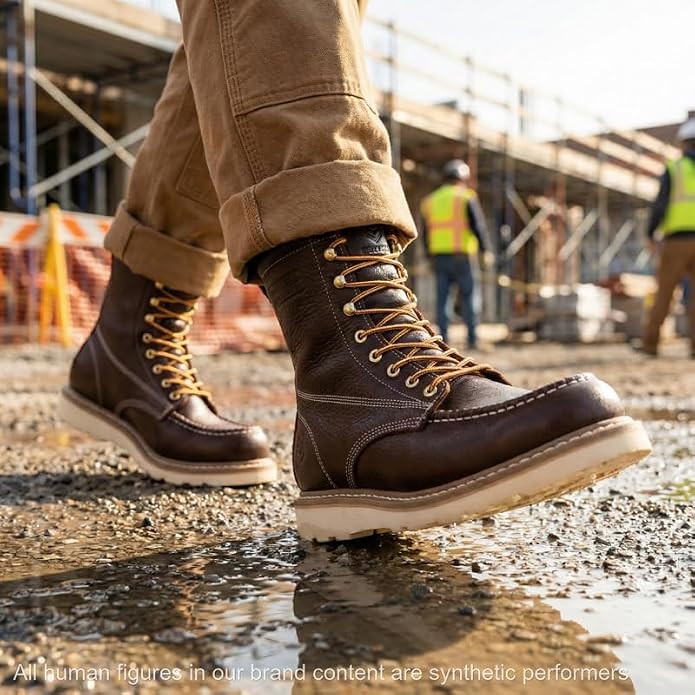
Workers face long hours on hard concrete floors. You need reliable warehouse work shoes to protect your feet. Proper footwear prevents injuries from falling objects and slippery surfaces. Your warehouse work shoes must feature safety toes, slip-resistant outsoles, and durable materials. Furthermore, quality boots reduce muscle fatigue during twelve-hour shifts. Sureway boots will explore the exact specifications of the best shoes for warehouse work.
Safety Toe Options for Warehouse Work Shoes
Safety toes shield your feet from heavy impacts. Brands design warehouse shoes with three main toe types.
Firstly, steel toes offer maximum crush resistance. Steel materials stop heavy pallets from crushing your toes. Concurrently, workers trust steel toes for extreme hazard environments.
Secondly, composite toes use Kevlar, carbon fiber, or plastic. These non-metallic materials resist extreme temperatures. Accordingly, composite toes do not conduct electricity. Warehouse employees working near electrical hazards choose composite toes.
Thirdly, alloy toes combine aluminum and titanium. Alloy materials create a lightweight safety barrier. Specifically, alloy toes reduce shoe weight but maintain high safety ratings.
You must select the toe type matching your specific daily tasks. Steel provides maximum protection. Composite materials offer electrical safety. Alloy delivers lightweight comfort.
Comfort and Support in Warehouse Work Shoes
Standing for long hours causes extreme foot pain. Cushioned insoles absorb the shock from walking on concrete. Polyurethane memory foam insoles mold to your feet. In detail, the foam reduces pressure points on your heels and toes.
Arch support maintains your foot alignment. A strong fiberglass shank supports the middle of your foot. Consequently, good arch support stops plantar fasciitis pain. You experience less lower back pain with proper arch support.
Additionally, lightweight midsoles decrease leg fatigue. EVA foam midsoles cushion every single step. In the long run, workers finish shifts with more energy. The best casual boots for men incorporate these exact comfort features for everyday wear.
Durability and Longevity
Frequent walking destroys weak footwear quickly. Full-grain leather uppers resist daily wear and tear. Leather naturally repels minor scrapes from wooden pallets. Moreover, synthetic nylon materials add breathability to the shoe upper.
Reinforced stitching keeps the shoe together. Shoemakers use triple-stitched seams on high-stress areas. As a result, the seams do not rip open during heavy lifting. Goodyear welt construction securely attaches the outsole to the upper leather.
Undoubtedly, durable shoes save you money. Cheap boots break apart after two months. Conversely, premium work boot warehouse products last over a year. You spend less money buying one strong pair than buying three weak pairs.
Water and Dust Resistance
Many warehouses contain liquid spills and chemical hazards. Waterproof membranes keep your feet completely dry. The membrane blocks water drops but lets sweat vapor escape. Therefore, you avoid blisters from wet socks.
Sealed seams stop dust from entering the shoe. Warehouse environments generate massive amounts of cardboard dust. A gusseted tongue blocks debris from falling inside the boot. Simultaneously, leather materials resist chemical fluid spills. You easily wipe chemical splashes off a leather upper.
In addition, breathable meshes evaporate internal moisture quickly. You maintain dry feet during intense physical labor.
How to Choose the Right Warehouse Work Shoes
You must assess your exact job duties first. Forklift operators need flexible soles for pedal control. Heavy lifters require maximum steel toe protection. Order pickers walk ten miles daily. Pickers need lightweight EVA midsoles for fast movement.
Accurate sizing prevents horrible foot blisters. You must measure both feet at the end of your shift. Feet swell after ten hours of standing. Consequently, you should buy boots with a wide toe box. A wide toe box gives your toes room to expand.
Budget dictates your final choice. Premium brands cost more initially. Even so, expensive boots outlast cheap alternatives. You gain better materials and superior warranties with premium options.
We prepared a detailed specification comparison table. Use this table to compare toe materials.
|
Feature |
Steel Toe |
Composite Toe |
Alloy Toe |
|
Material |
Heavy Steel |
Plastic, Kevlar |
Aluminum, Titanium |
|
Weight |
Very Heavy |
Medium Weight |
Lightest Weight |
|
Impact Protection |
Maximum Protection |
High Protection |
High Protection |
|
Temperature Control |
Poor (Gets cold/hot) |
Excellent (Insulates) |
Moderate |
|
Electrical Hazard Safe |
No |
Yes |
No |
|
Best For |
Heavy Machinery |
Electricians, Scanners |
Fast Walkers, Pickers |
Common Questions and Answers
- Are warehouse work shoes slip-resistant?
Yes, most feature slip-resistant soles with deep treads to prevent accidents on wet or oily surfaces.
- Do warehouse work shoes have safety toes?
Many include steel, composite, or alloy toes to protect against heavy impacts or compression.
- Are these shoes comfortable for long shifts?
Yes, they often include cushioned insoles and arch support to reduce fatigue during extended standing or walking.
- Can warehouse work shoes handle water and debris?
Many are water-resistant or waterproof, with sealed seams to protect against spills and dust.
- How do I maintain my warehouse work shoes?
Clean regularly, air them out after use, and replace insoles when cushioning wears out.
Comment