Top Plumber Work Boots: Necessary Features for Daily Protection
Apr 03,2026 | Chad Sureway
Plumbers face daily hazards on job sites. Professional tradesmen require proper footwear to prevent injuries and maintain comfort during long shifts. High-quality plumber work boots provide necessary protection against wate. You must select the right footwear to ensure safety and productivity throughout the workday. Sureway is a top choice for plumbers seeking reliable, high-performance boots. This article explores the key attributes of premium plumbing footwear, provides guidance on selecting the ideal pair
Key Features of High-Quality plumber work boots
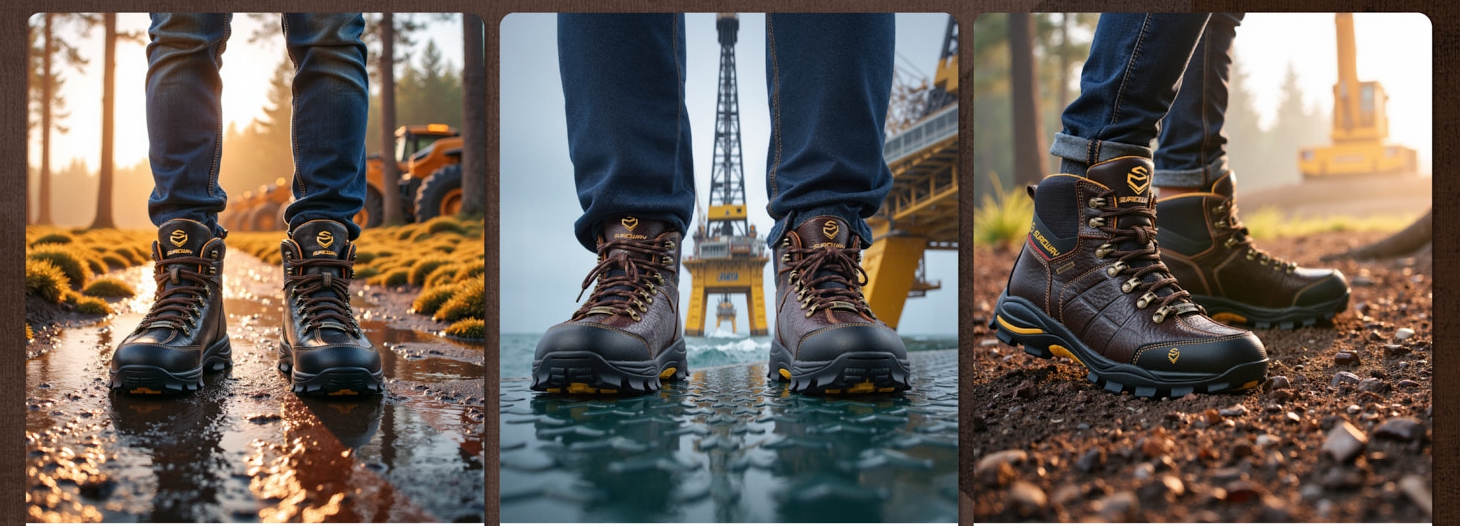
Premium plumber work boots incorporate specific protective elements to withstand harsh job site conditions.
Waterproofing Capabilities
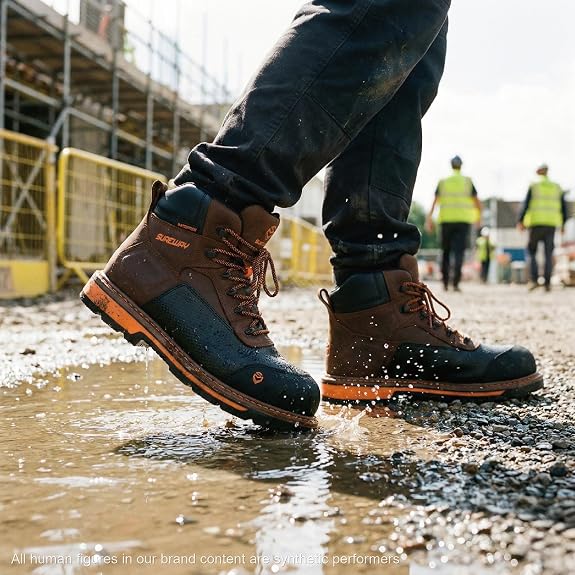
Plumbers constantly step into puddles, flooded basements, and muddy trenches. Waterproofing keeps your feet completely dry. Dry feet prevent painful blisters and dangerous fungal infections. High-quality membranes block external moisture effectively. Simultaneously, these materials allow sweat vapor to escape. Therefore, you maintain comfortable feet throughout a long shift. Manufacturers often use treated leather and sealed seams to enhance water resistance.
Protective Safety Toes
Safety toes protect your feet from heavy impacts. You regularly handle heavy pipes, large wrenches, and metal fixtures. Dropping these items causes severe foot injuries. Steel toe boots offer maximum impact resistance. Composite toes provide excellent protection without conducting heat or cold. Additionally, safety toes help you meet strict workplace safety standards.
Electrical Hazard (EH) Protection
Plumbers often work near electrical lines and water sources. Water conducts electricity easily. EH-rated outsoles provide a secondary source of protection against accidental electrocution. Special rubber compounds insulate your feet from the ground. Consequently, this insulation significantly reduces the risk of electrical shock. You must verify the EH rating on the boot label before purchasing.
How to Choose the Right plumbing shoes
Selecting the ideal plumbing shoes requires careful evaluation of comfort, support, and durability factors.
All-Day Comfort and Arch Support
You spend hours standing on hard concrete or crouching in tight spaces. Supportive footbeds reduce fatigue and prevent back pain. Good arch support aligns your body properly. Shock-absorbing midsoles cushion your steps. Furthermore, removable insoles allow you to add custom orthotics for personalized comfort.
Ankle Support and Flexibility
Uneven terrain and slippery surfaces demand excellent ankle support. High lace-up shafts stabilize your joints. This stabilization prevents painful sprains. However, the boots must flex easily at the forefoot. Flexibility allows you to kneel and crouch without restriction. Soft padded collars enhance comfort around the ankle area.
Material Durability
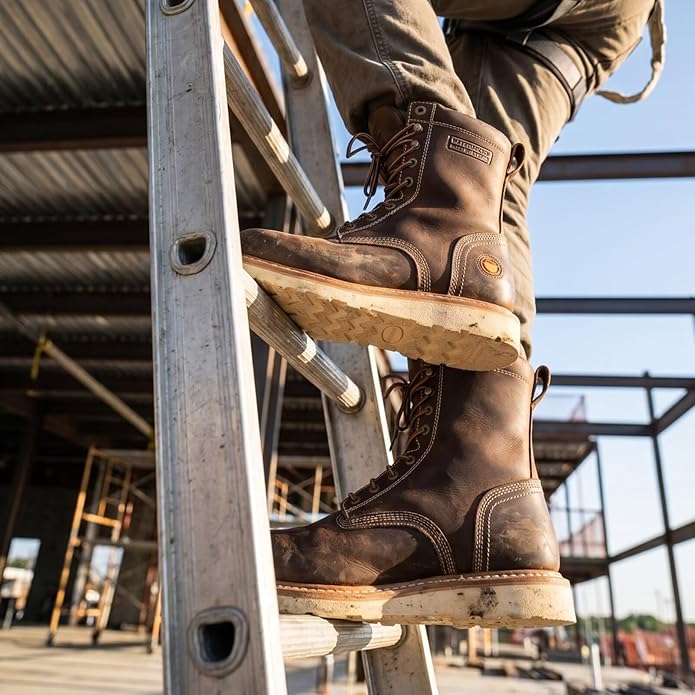
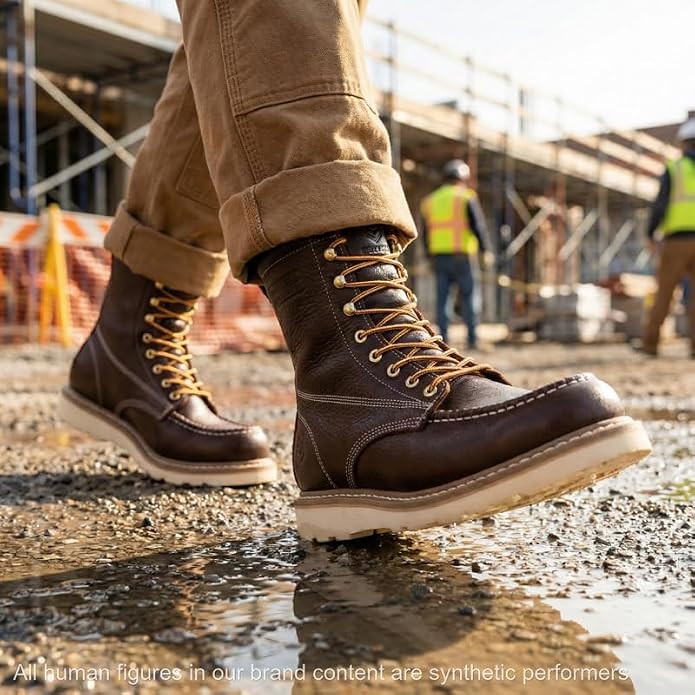
Job site environments destroy weak footwear quickly. Full-grain leather offers superior durability and abrasion resistance. Reinforced stitching prevents premature blowouts. Thick rubber outsoles resist wear from concrete and gravel. Rubber toe bumpers protect the front of the boot from scuffs. Ultimately, durable materials ensure a longer lifespan for your footwear.
Evaluating the best boots for plumbers
Different brands offer distinct advantages for specific plumbing tasks. The table below compares the specifications of the best boots for plumbers.
|
Boot Category |
Recommended Material |
Key Feature |
Outsole Type |
Safety Toe |
EH Rating |
|
Top Waterproof |
Full-Grain Leather |
Breathable Membrane |
Slip-Resistant Rubber |
Composite |
Yes |
|
Most Comfortable |
Premium Leather |
Anti-Fatigue Midsole |
Flexible Rubber |
Steel |
Yes |
|
Maximum Protection |
Heavy-Duty Leather |
Metatarsal Guard |
Heat-Resistant Rubber |
Steel |
Yes |
Top Waterproof Performers
These options feature advanced waterproof membranes. The leather undergoes extensive waterproofing treatments during the tanning process. Sealed seams block out moisture completely. Gusseted tongues prevent water from entering through the lace area. As a result, your feet stay dry in fully flooded environments.
Most Comfortable Options
Comfort-focused boots utilize dual-density polyurethane midsoles. These midsoles absorb shock from hard concrete floors. Padded insoles cradle your feet perfectly. Lightweight construction reduces leg fatigue. Additionally, breathable linings keep the interior cool and dry.
Maximum Protection Picks
These models prioritize ultimate job site safety. Heavy-duty steel toes withstand massive impacts. Puncture-resistant plates protect the bottom of your feet from sharp nails. Slip-resistant outsoles grip wet surfaces aggressively. In short, these models deliver comprehensive protection for the most hazardous jobs.
Frequently Asked Questions
- Do plumbers need waterproof boots?
Yes. Plumbers constantly work around leaks and standing water. Waterproof footwear keeps feet entirely dry, preventing blisters and fungal infections while maintaining essential comfort during long shifts.
- Are steel toe boots required for plumbing?
While not always legally mandated by every employer, safety toes are highly recommended. Steel or composite toes protect your feet from dropped wrenches, heavy pipes, and machinery, significantly reducing injury risks.
- What are slip-resistant boots, and why do plumbers need them?
Slip-resistant outsoles use special rubber compounds and tread patterns to grip slick surfaces. They are critical for plumbers to prevent dangerous falls in flooded basements, wet bathrooms, or muddy trenches.
- How long should plumber work boots last?
High-quality protective boots generally last between 12 and 18 months with daily use. Their exact lifespan depends on the harshness of the work environment and how frequently you clean and condition the leather.
- Can I wear regular sneakers instead of plumbing shoes?
No. Standard sneakers lack the waterproofing, slip resistance, and structural protection required for plumbing tasks. Wearing them heavily increases your risk of slipping, getting soaked feet, and suffering crushing injuries.
Comment