Quality Safety Shoes: Types and Features
May 11,2026 | Chad Sureway
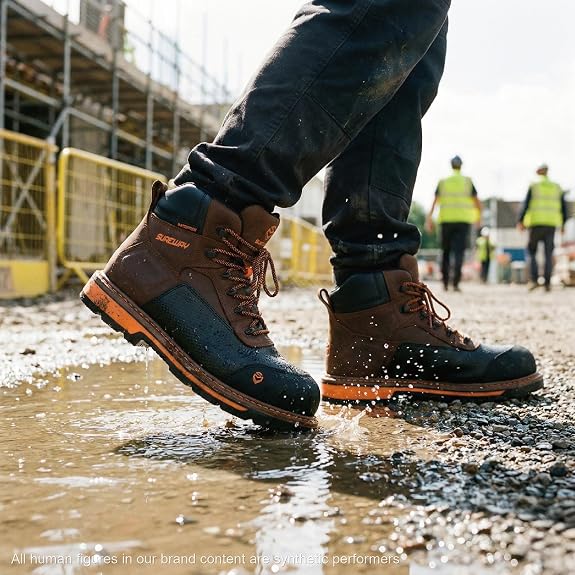
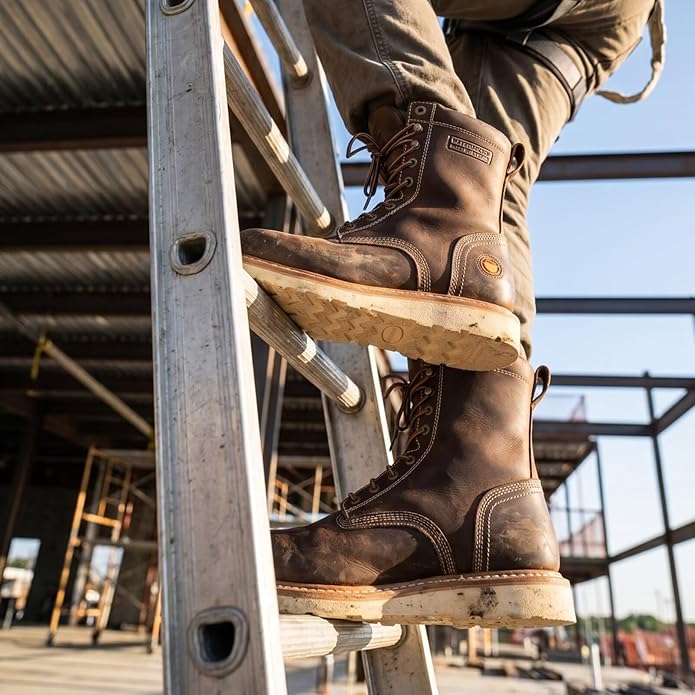
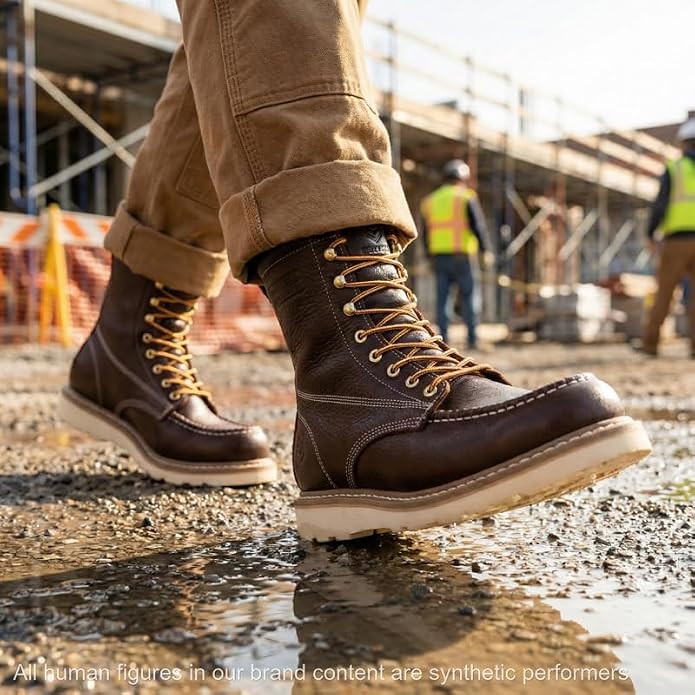
Workers need reliable gear for daily tasks. Finding quality safety shoes prevents serious workplace injuries. Employers mandate proper footwear for hazardous environments. Safety shoes for work shield feet from heavy impacts. You must evaluate workplace risks first. After that, you select the appropriate footwear. Quality safety shoes offer slip resistance and toe protection. This Sureway guide explores the different types of quality safety shoes and highlights essential protective features to help you choose the best option for your workplace.
Types of Quality Safety Shoes
Different jobs demand specific safety shoes types. You must match the shoe to the hazard. Manufacturers create unique designs for various industries.
1. Steel Toe Shoes
Safety shoes steel toe models block heavy impacts perfectly. These shoes defend toes against falling objects. Construction workers wear steel toe boots daily. Manufacturing plant employees also need this solid protection. Steel inserts withstand massive compression forces. Heavy machinery operators rely on this sturdy construction. Furthermore, warehouse staff prevent crush injuries with these boots.
2. Composite Toe Shoes
Composite toe shoes provide lightweight protection. Manufacturers make these shoes from non-metallic materials. Brands utilize carbon fiber and plastic compounds. Employees wear composite shoes in extreme temperatures. Cold environments require non-conductive toe caps. Additionally, security personnel pass through metal detectors easily with these shoes. Airport staff avoid constant alarm triggers this way.
3. Slip-Resistant Shoes
Slip-resistant shoes grip wet surfaces securely. Specialized tread patterns channel water away from the sole. Kitchen staff prevent falls with these specialized soles. Hospital workers navigate slick floors safely. Cleaners work confidently on freshly mopped areas. Therefore, restaurant managers require this specific sole type for all servers.
4. Waterproof and Chemical-Resistant Shoes
Waterproof shoes block liquid penetration completely. Treated leather materials stop hazardous acids. Food processing workers rely on waterproof footwear. Chemical industry staff avoid skin burns with these shoes. Laboratory technicians handle dangerous spills safely. Similarly, agricultural workers keep their feet dry in muddy fields.
Specifications and Comparison
|
Shoe Type |
Best Environment |
Primary Material |
Key Benefit |
Weight Profile |
|
Steel Toe |
Construction sites |
Heavy steel alloys |
Maximum crush protection |
Heavy |
|
Composite Toe |
Security zones |
Carbon fiber plastics |
Non-metallic design |
Lightweight |
|
Slip-Resistant |
Commercial kitchens |
Rubber compounds |
Prevents dangerous falls |
Medium |
|
Waterproof |
Food processing |
Treated leather fabrics |
Keeps feet entirely dry |
Medium |
Features of Quality Safety Shoes
Top-tier boots offer multiple protective elements. You must inspect these features carefully.
1. Toe Protection
Strong toe caps withstand massive compression forces. Brands test these caps against strict industry standards. Heavy steel blocks drop onto the shoe during factory tests. Consequently, workers trust these certified protection levels.
2. Slip Resistance
Specialized tread patterns channel water away from the shoe base. Deep rubber grooves maintain floor contact consistently. Oil-resistant compounds prevent material degradation. Thus, mechanics walk safely across greasy garage floors.
3. Electrical Hazard Protection
Non-conductive materials stop dangerous electrical currents. Thick rubber soles block ground conductivity. Electricians wear these boots to prevent fatal shocks. Power line workers depend on this specific feature daily.
4. Puncture Resistance
Heavy-duty plates line the footwear midsole area. Manufacturers use flexible steel or Kevlar plates. These plates block sharp nails and glass shards. Roofers avoid serious foot wounds with this underfoot armor.
5. Comfort and Ergonomics
Supportive insoles reduce foot fatigue significantly. Breathable internal linings keep feet cool during long shifts. Padded collars prevent uncomfortable ankle friction. Shock-absorbing heel cushions reduce joint stress. Ultimately, comfortable workers perform their duties efficiently.
How to Choose the Right Safety Shoes
You must evaluate your options carefully. Proper selection prevents long-term health issues.
1. Assess workplace hazards.
Workers face specific daily risks. You inspect the work environment for heavy objects. You identify slick floors or chemical exposure risks. Safety managers provide hazard assessment checklists.
2. Match features to job requirements.
You align shoe specifications with your daily tasks. Electricians buy hazard-rated soles. Construction crews select puncture-resistant plates. Healthcare workers prioritize slip-resistant bottoms.
3. Consider comfort and fit.
You try on shoes at the end of the day. Feet swell naturally during afternoon hours. You wear thick work socks during the fitting process. Proper fit prevents painful heel blisters.
Common Questions and Answers
- What are the most durable safety shoes?
Steel toe shoes are highly durable and ideal for heavy-duty environments like construction and manufacturing.
- How do I maintain my safety shoes?
Clean regularly, dry naturally, and replace insoles as needed. Inspect for wear and tear frequently.
- Are composite toe shoes as safe as steel toe?
Yes, composite toe shoes meet safety standards and are suitable for environments requiring lightweight and non-metallic options.
- What is the difference between waterproof and water-resistant shoes?
Waterproof shoes prevent water entry entirely, while water-resistant shoes repel water but may allow some penetration over time.
- How often should safety shoes be replaced?
Replace safety shoes every 6-12 months or immediately if they show signs of damage or compromised protection.
Comment