Different Types of Safety Footwear for Work
May 11,2026 | Chad Sureway
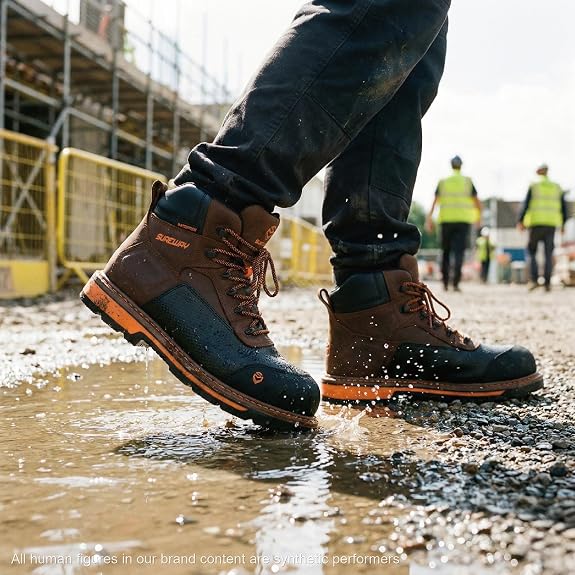
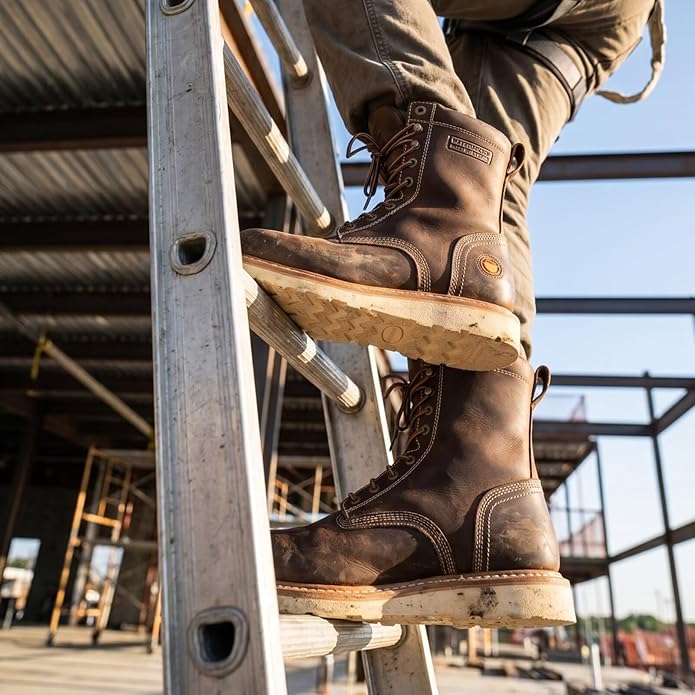
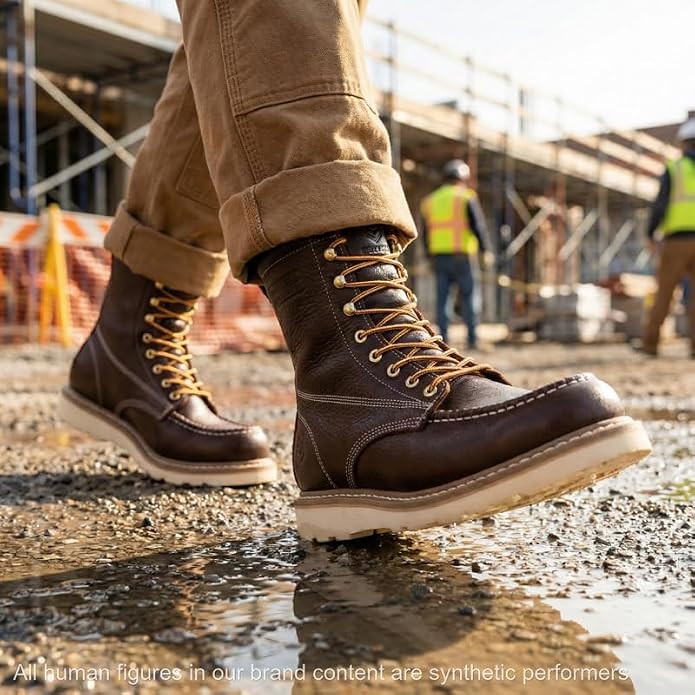
Safety footwear protects workers from workplace hazards. You need the right gear for daily tasks. Employers require proper shoes for injury prevention. Sureway explore different work boot types for various industries. You must know specific shoe features for maximum protection. Furthermore, safety footwear prevents serious foot injuries. This guide discuss different safety work boots and details specific features to help you choose the best footwear for your industry.
What Are the Different Types of Safety Footwear?
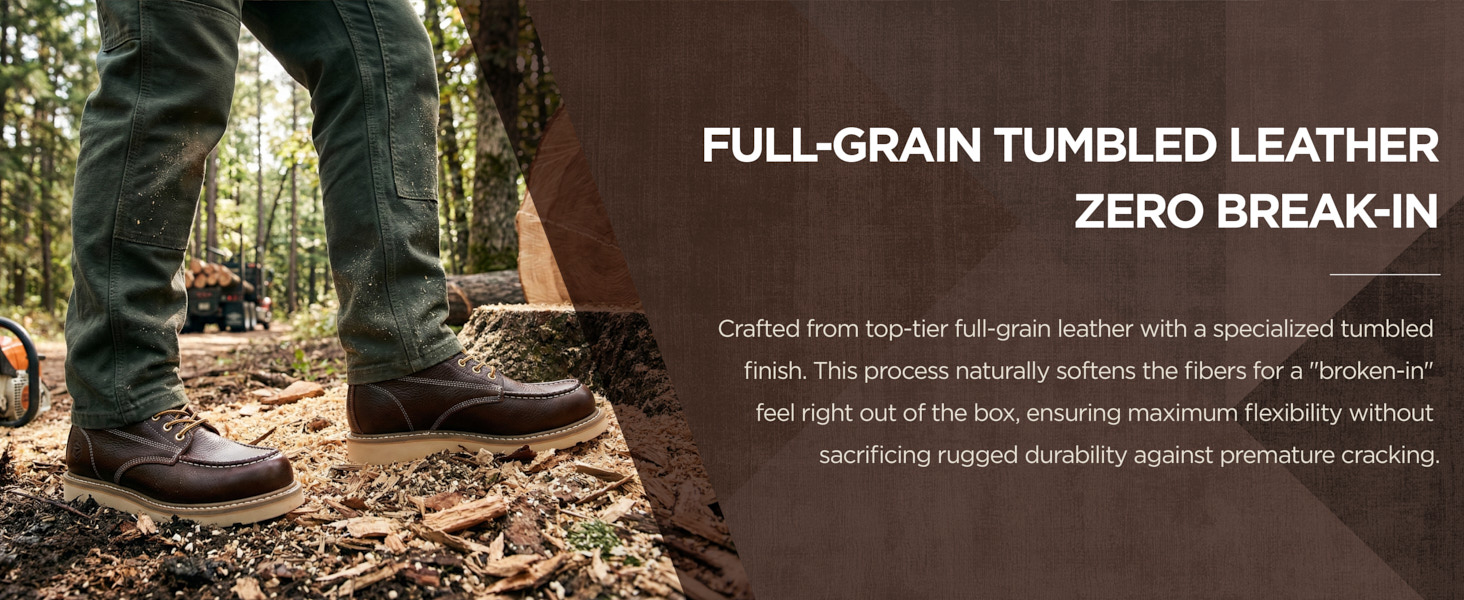
Workers choose specific shoes for unique workplace environments. Manufacturers design different styles for specific industry needs. You must evaluate your daily tasks before purchasing. For example, construction workers need heavy-duty protection. On the other hand, kitchen staff require grip and stability.
1. Steel Toe Shoes
Steel toe shoes protect against impact and compression. Heavy metal inserts shield the toes from falling objects. Construction workers wear these boots daily. Manufacturing employees use them for heavy machinery protection. Additionally, steel toe shoes offer maximum durability. They withstand extreme pressure easily. Then, many industrial sites mandate steel toe protection.
2. Composite Toe Shoes
Composite toe shoes provide excellent protection without heavy metal parts. Manufacturers use plastics, carbon fiber, or Kevlar materials. These shoes remain lightweight for all-day comfort. They do not conduct electricity. Therefore, electricians choose composite materials frequently. Cold environments require composite shoes for better insulation. Furthermore, workers pass through metal detectors easily with these boots.
3. Slip-Resistant Footwear
Slip-resistant footwear prevents dangerous falls on slick surfaces. Shoe creators use specialized rubber outsoles for maximum traction. Deep tread patterns channel liquids away from the shoe bottom. Kitchen staff wear slip-resistant shoes on wet floors. Industrial workers need them for oily surfaces. Moreover, these shoes prevent severe injuries from unexpected slips. Health care professionals also utilize slip-resistant footwear daily.
How Does Safety Footwear Protect Against Specific Hazards?
Work environments present specific dangers to employees. You encounter unique risks during different tasks. Proper footwear blocks these specific threats directly. Manufacturers test safety work boots against strict safety standards. You rely on these certifications for daily protection.
1. Electrical Hazard Shoes
Electrical hazard shoes insulate the wearer from electric shocks. The shoe materials stop the flow of electricity to the ground. Electricians rely on this protection daily. Utility workers require these boots for power line maintenance. Specifically, the non-conductive soles block dangerous currents. Therefore, these shoes save lives during accidental wire contact.
2. Puncture-Resistant Boots
Puncture-Resistant Boots stop sharp objects from piercing the sole. Construction sites have dangerous nails on the ground. Glass factories present sharp debris hazards. Shoe designers place a protective plate inside the sole. This plate blocks sharp items effectively.
3. Metatarsal Guard Boots
Metatarsal guard boots shield the top of the foot. Heavy falling objects crush small foot bones easily. A protective flap covers the delicate metatarsal area. Welders wear them to block hot sparks. Loggers use them for heavy timber protection. In brief, this extra armor prevents devastating crush injuries.
Choosing the Right Safety Footwear for Your Job
You must select the perfect shoe for your specific daily tasks. Wrong choices cause discomfort and safety risks. We detail the selection process below.
1. What Features Should You Look For?
You need waterproofing for outdoor jobs. Insulation keeps feet warm in cold climates. Static dissipation prevents dangerous static electricity buildup. Some jobs require heat-resistant outsoles. Others need ankle support for uneven terrain. Therefore, you must match the features to your daily environment.
2. How to Ensure a Proper Fit
Proper fit prevents blisters and daily foot pain. You must measure your feet at the end of the day. Feet swell naturally during work shifts. You should wear your regular work socks during the measurement. Walk around the store to test the comfort. Also, check for adequate toe room. Boots must not pinch your toes.
3. Are There Industry-Specific Requirements?
Different jobs dictate specific footwear rules. Electricians need electrical hazard ratings. Loggers require high traction and metatarsal guards. Welders need heat resistance and spark protection. Additionally, chemical plant workers need chemical-resistant materials. You must consult your safety manager for exact requirements.
Specifications and Comparison
We compare the different work boot types below. You can view the specific features easily.
|
Boot Type |
Primary Protection |
Weight |
Best Environment |
Key Feature |
|
Steel Toe |
Impact and compression |
Heavy |
Construction sites |
Maximum toe crush resistance |
|
Composite Toe |
Impact and compression |
Light |
Electrical work |
Non-conductive materials |
|
Slip-Resistant |
Slips and falls |
Medium |
Kitchens and clinics |
High-traction rubber sole |
|
Electrical Hazard |
Electric shocks |
Medium |
Power utility sites |
Insulating sole materials |
|
Puncture-Resistant |
Sole punctures |
Heavy |
Demolition sites |
Protective midsole plate |
|
Metatarsal Guard |
Top of foot crush |
Heavy |
Logging and welding |
Extended foot top armor |
Common Questions and Answers
- What is the most common type of safety footwear?
Steel toe shoes are the most common, offering protection against impact and compression.
- What is the difference between steel toe and composite toe shoes?
Steel toe shoes are heavier and more durable, while composite toe shoes are lighter and non-conductive.
- Are slip-resistant shoes necessary for all jobs?
They are essential for jobs involving wet or oily surfaces, such as kitchens or industrial settings.
- What are electrical hazard shoes?
These shoes insulate the wearer from electric shocks by preventing the flow of electricity.
- How do I maintain my safety footwear?
Regularly inspect for damage, clean them as per manufacturer guidelines, and replace them when worn out.
Comment