Non Slip Work Boots
Feb 23,2026 | Chad Sureway
Imagine walking across a slick, oily floor in a busy warehouse or a wet kitchen. Your safety depends entirely on what you have on your feet. For people who work in dangerous places, non-slip work boots are more than just shoes; they are a vital way to protect themselves from getting hurt. Slips, trips, and falls remain some of the most common workplace accidents, costing businesses millions and causing severe injuries to workers. Sureway will explore key features, materials, and benefits so you can make an informed decision that keeps you safe and comfortable on the job.
What Are Non Slip Work Boots?
Non slip boots are specialized safety footwear designed to provide superior traction on slippery surfaces. Unlike standard shoes, these boots feature unique outsole patterns and materials that grip the ground firmly. They channel water, oil, and grease away from the sole.
Industries That Rely on Them
Many sectors prioritize safety footwear to protect their workforce.
- Healthcare: Nurses and doctors often encounter wet floors from spills or cleaning.
- Hospitality: Chefs and servers work in kitchens where grease and water are constant hazards.
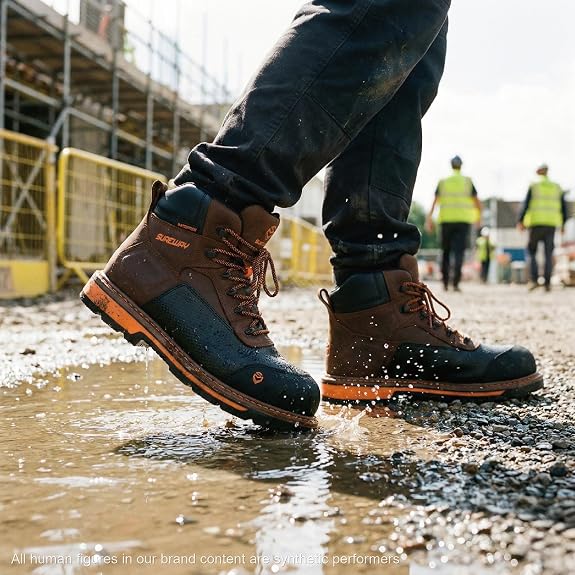
- Construction: Workers navigate mud, wet concrete, and uneven terrain.
- Manufacturing: Factory floors can become slick with oil or industrial fluids.
Features to Look for in Non Slip Work Boots
When shopping for safety gear, you need to know exactly what separates a high-quality boot from a mediocre one. Pay attention to these necessary features.
Slip-Resistant Outsoles
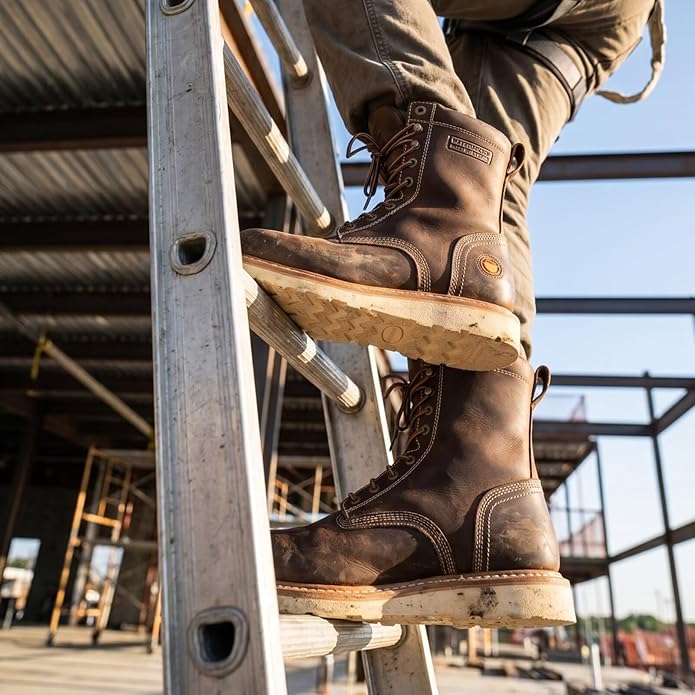
The outsole is the most important component of non slip work boots. Look for rubber compounds that stay soft and grippy even in cold temperatures. The tread pattern matters too. A design with many small lugs or an interlocked pattern helps push liquid away from the sole. This prevents hydroplaning.
Waterproof Materials
Working with wet feet is miserable and dangerous. Waterproof slip resistant workboots use membranes or treated leathers to keep moisture out while letting sweat escape. This feature is important for outdoor workers or anyone dealing with constant spills.
Safety Toe Options
Your environment dictates the type of toe protection you need.
- Steel Toe: Offers maximum protection against heavy falling objects.
- Composite Toe: Strong but lighter than steel; excellent for electrical hazard environments.
- Soft Toe: Good for jobs where crushing hazards are minimal but slip resistance is still required.
Comfort Features
You likely wear your boots for 8 to 12 hours a day. Therefore, comfort is non-negotiable. Look for:
- Cushioning: EVA or PU midsoles absorb shock with every step.
- Arch Support: Prevents fatigue and foot pain.
- Lightweight Design: Reduces leg strain over long shifts.
Durability and Material Quality
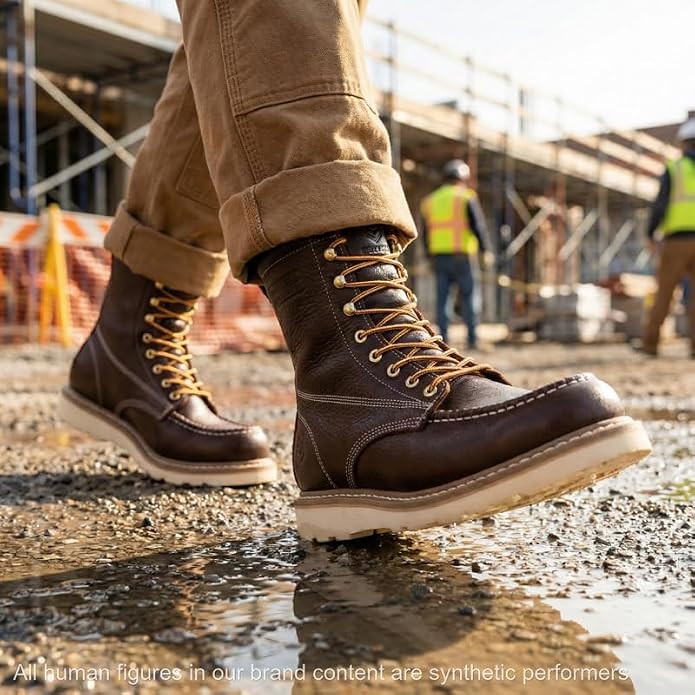
High-quality leather or advanced synthetic uppers resist abrasion and wear. Double stitching and reinforced heels ensure your investment lasts longer than a few months.
Top Benefits of Non Slip Work Boots
Investing in quality footwear pays off immediately. Here is why you should prioritize slip resistance.
Enhanced Workplace Safety
The primary goal is safety. By wearing the right boots, you significantly lower the risk of accidents. This keeps you healthy and working, rather than recovering from an injury at home.
Prevention of Slips, Trips, and Falls
Proper traction stabilizes your stance. Whether you walk on a greasy kitchen tile or a muddy job site, stable footing prevents dangerous falls. This stability gives you confidence as you move through your workday.
Long-Lasting Performance in Tough Environments
Manufacturers build these boots to withstand abuse. They resist chemicals, oils, and heat better than standard fashion boots. Consequently, you save money over time by replacing your footwear less frequently.
Comfort During Long Shifts
Modern work boots use athletic shoe technology. They support your feet and align your spine. This reduces back and knee pain.
Types of Non Slip Work Boots
Different jobs require different tools. Similarly, your choice of boot should match your specific work environment. Below is a comparison to help you choose.
Steel Toe Non Slip Work Boots
These are the heavyweights of safety footwear. They are best for construction sites, heavy manufacturing, and warehousing where heavy machinery operates. The steel cap protects toes from crushing impacts up to 75 pounds or more.
Composite Toe Non Slip Work Boots
Composite materials like carbon fiber or plastic provide strong protection without the weight of steel. They do not conduct cold or heat. Electricians often prefer these because they do not conduct electricity.
Soft Toe Non Slip Work Boots
If your workplace does not have heavy falling objects, soft toe boots offer the most comfort. They are lighter and more flexible. Hospitality workers and janitorial staff often choose this style for agility and ease of movement.
Waterproof Non Slip Work Boots
For those who work outdoors or in wet facilities. Waterproof slip resistant workboots feature sealed seams and waterproof liners. They prevent trench foot and fungal infections caused by prolonged dampness.
Comparison of Boot Specifications
|
Feature |
Steel Toe |
Composite Toe |
Soft Toe |
Waterproof |
|
Protection Level |
High (Impact/Compression) |
High (Impact/Compression) |
Low (No Impact Protection) |
Varies (Weather Protection) |
|
Weight |
Heavy |
Medium |
Light |
Medium/Heavy |
|
Temperature |
Conducts Heat/Cold |
Insulates |
Neutral |
Insulates |
|
Best Industry |
Construction, Heavy Industry |
Electrical, Security, Airports |
Hospitality, Healthcare |
Farming, Utilities, Outdoor |
|
Metal Detector Friendly |
No |
Yes |
Yes |
Varies |
Frequently Asked Questions
- What makes a work boot slip-resistant?
Slip-resistant boots feature specially designed outsoles with high-traction patterns that channel liquids away, providing better grip on wet or oily surfaces.
- Are non slip work boots waterproof?
Not all non slip boots are waterproof. Look for models labeled as "waterproof" for protection against water exposure.
- How do I maintain my non slip work boots?
Clean them regularly, apply waterproofing treatments, and replace worn-out insoles to maintain comfort and performance.
- What industries require non slip work boots?
Industries like construction, healthcare, hospitality, and manufacturing often require non slip boots to ensure worker safety.
- How long do non slip work boots last?
With proper care, high-quality non slip work boots can last 1-2 years, depending on usage and workplace conditions.
Comment