Key Features of Mechanic Safety Boots
Apr 02,2026 | Chad Sureway
Mechanics face heavy equipment, slick floors, and electrical hazards daily. Proper gear prevents serious foot injuries. Quality mechanic safety boots shield your feet from impact and compression. You must select footwear with the right safety ratings for your specific garage environment. Sureway boots will explore materials, safety features, and maintenance routines to maximize your boot lifespan.
Key Features of Mechanic Safety Boots
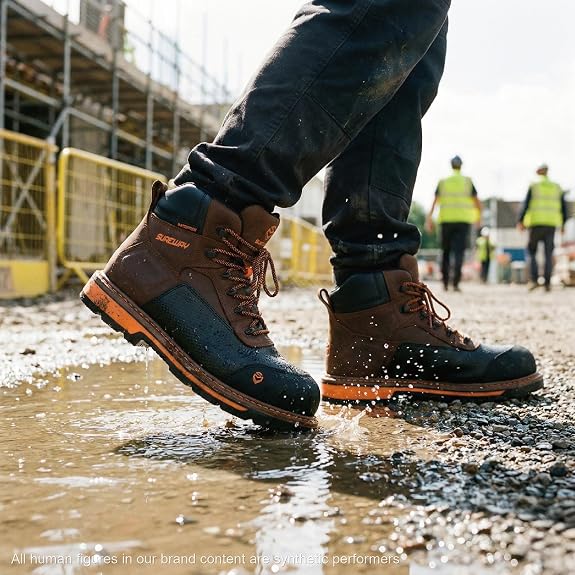
Manufacturers design safety footwear for specific workshop hazards. First, steel toe mechanic boots offer maximum crush resistance against heavy engine blocks. These traditional metal caps deflect massive dropping forces effectively. On the other hand, composite toe boots use non-metallic materials like Kevlar or carbon fiber. These lightweight alternatives do not conduct electricity or temperature. Thus, composite options keep your feet warmer during winter months.
Furthermore, slip resistant mechanic boots feature deep rubber treads. These specialized outsoles grip oily and wet concrete floors securely. The rubber compounds resist chemical degradation from common garage fluids. Additionally, electrical hazard protection blocks stray currents from live wires. The non-conductive soles stop electrical circuits from completing through your body.
At last, waterproof mechanic boots keep your feet completely dry during outdoor repairs or fluid spills. Advanced waterproof membranes block exterior liquids completely.
|
Specification |
Composite Toe Boots |
|
|
Core Material |
Heavy metal alloy |
Kevlar, fiberglass, carbon fiber |
|
Overall Weight |
Heavy |
Lightweight |
|
Impact Resistance |
Extremely high |
High |
|
Electrical Conductivity |
Conducts electricity |
Non-conductive |
|
Temperature Control |
Retains cold and heat |
Insulates against extreme temperatures |
|
Metal Detector Reaction |
Triggers alarms |
Passes through silently |
Choosing the Right Mechanic Safety Boots
Your daily comfort dictates your productivity on the shop floor. Therefore, you must prioritize a snug fit with ample toe room. Tight footwear causes blisters and restricts blood circulation over a twelve-hour shift. Simultaneously, loose footwear creates dangerous tripping hazards. You should test new footwear at the end of your workday. Feet naturally swell out after hours of standing.
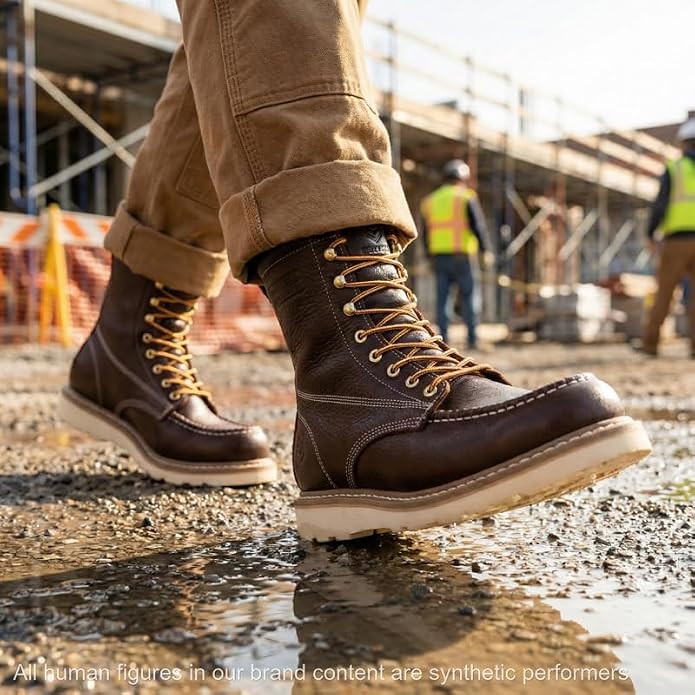
You can choose between lace-up designs and pull-on styles. Lace-up models provide superior ankle support for uneven surfaces. You can adjust the laces to secure your heel tightly. Alternatively, pull-on styles allow quick removal during chemical emergencies. They also eliminate the annoyance of broken shoelaces.
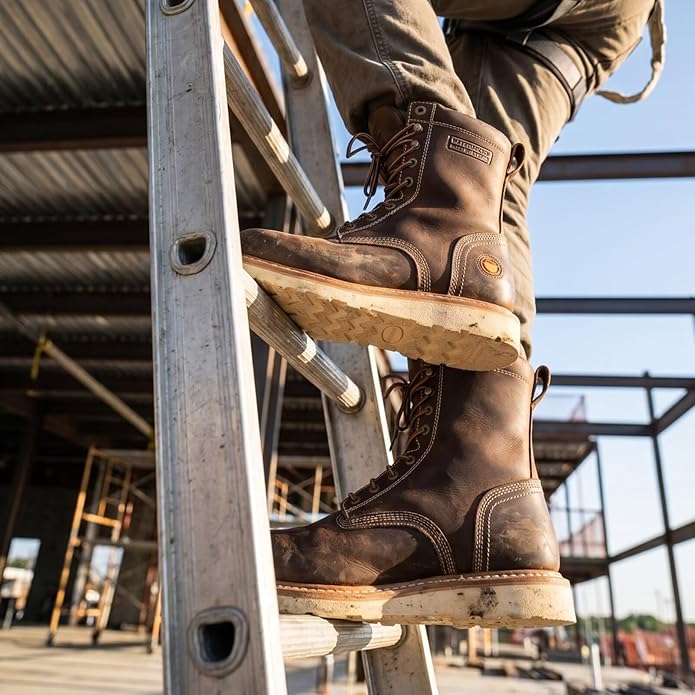
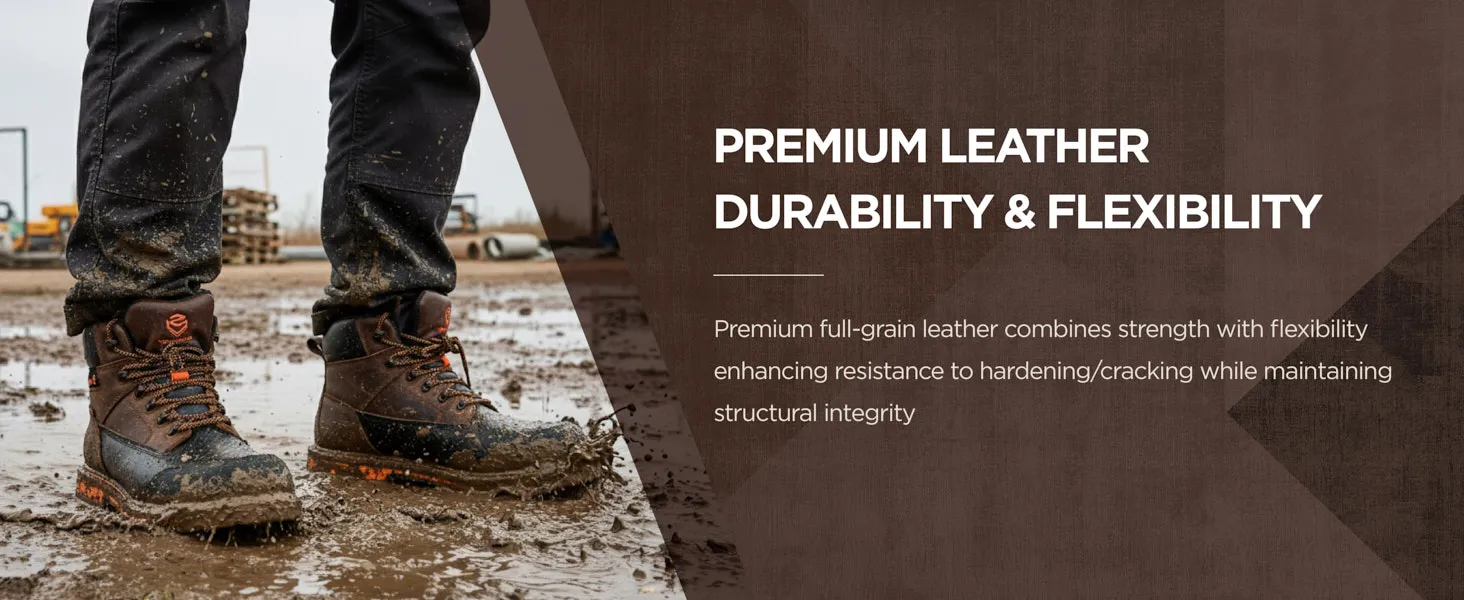
Additionally, material selection determines overall durability. Full-grain leather resists chemical spills and abrasions effectively. Synthetic materials reduce overall weight for high-movement tasks. However, synthetic options usually wear out faster than premium leather. You also need thick shock-absorbing midsoles to reduce heel pain. Premium anti-fatigue insoles support your arches all day long. Always check ASTM safety certifications before you purchase any work footwear.
Maintenance Tips for Mechanic Safety Boots
Proper care extends the life of your expensive work gear significantly. First, you should clean your footwear after every single shift. A stiff brush removes corrosive grease and metal shavings from the treads. Afterward, a damp rag wipes away surface dirt easily. You must never dry your wet leather near a direct heat source. High heat bakes the leather and ruins the structural integrity.
Afterward, you must apply a quality leather conditioner. This conditioning process prevents severe cracking over time. Furthermore, leather requires natural moisture to repel water effectively. You should rub mink oil or synthetic waxes into the exterior weekly.
At last, you should rotate between two pairs of work shoes. This daily rotation allows trapped sweat to dry completely. Dry footwear prevents bacterial growth and rapid material degradation. You should also replace worn out insoles every three months. Fresh insoles restore the interior cushioning completely. You must inspect the exterior stitching regularly. You should replace the entire unit once the safety toe cap becomes visible through the leather.
Common Questions and Answers
- What’s the difference between steel toe and composite toe boots?
Steel toe boots provide maximum impact protection, while composite toe boots are lighter and non-metallic, ideal for environments requiring non-conductive materials.
- How long do mechanic safety boots last?
With proper care, they typically last 6–18 months, depending on usage intensity.
- Are waterproof boots necessary for mechanics?
Waterproof boots are essential for outdoor or liquid-heavy environments, while breathable options are better for indoor work.
- Can lightweight safety boots still be protective?
Yes, as long as they meet ASTM safety standards, lightweight boots provide adequate protection.
- What features should I prioritize for 12-hour shifts?
Look for anti-fatigue technologies, cushioned midsoles, and proper fit to reduce strain during long shifts.
Comment