How to Choose the Lace Up Work Boots
Jan 15,2026 | Chad Sureway
Choosing the right footwear is necessary for safety and comfort on the job. The correct pair of lace up work boots can make a significant difference in your workday. They offer a unique combination of support, protection, and a customizable fit. This guide will walk you through everything you need to know. In this post, We will cover the benefits, key features, and popular styles. Subsequently, you will know how to select the perfect pair for your specific needs.
Why Choose Lace Up Work Boots?
Lace-up designs provide distinct advantages in demanding work environments. They are a popular choice for many professionals for several important reasons.
First, these boots offer enhanced ankle support. You can tighten or loosen the laces. This action creates a secure fit around your ankle. This support is important for preventing sprains and injuries, especially on uneven surfaces. Additionally, the adjustable fit accommodates different foot shapes and sock thicknesses. This ensures comfort throughout long shifts.
Furthermore, lace up work boots are known for their durability. Manufacturers often use robust materials and construction methods. They build these boots to withstand tough conditions. This makes them a versatile option for various job roles, from construction sites to workshops. Their reliable performance makes them a long-lasting investment.
Features to Look for in Men's Lace Up Work Boots
When shopping for mens lace up work boots, several features deserve your attention. These elements contribute to the boot's safety, comfort, and overall performance.
Safety Features
Safety is the most important consideration for work footwear. Different job sites have different requirements.
- Toe Protection: You have several options for toe protection. Steel toes provide the highest level of impact and compression resistance. They are a classic choice for heavy-duty work. Composite toes are a lighter alternative. They use non-metallic materials like carbon fiber or plastic. These are ideal for environments with metal detectors. Soft toe boots offer no extra toe protection. They are suitable for jobs with minimal risk of falling objects.
- Electrical Hazard (EH) Protection: Many boots come with an EH rating. This means their soles can protect you from open electrical circuits. This is a important feature for electricians and maintenance workers.
Comfort Features
You spend many hours in your work boots. Therefore, comfort is not a luxury; it is a necessity.
- Cushioning and Support: Look for boots with cushioned insoles. These help absorb shock with every step. Good arch support is also important. It helps reduce foot fatigue and prevent conditions like plantar fasciitis.
- Outsole Properties: The outsole is the part of the boot that contacts the ground. A slip-resistant sole provides excellent traction on wet or oily surfaces. This feature significantly reduces the risk of falls. An oil-resistant sole will not break down when exposed to petroleum products.
Material and Build
The materials and construction determine the boot's lifespan and ability to handle specific conditions.
- Upper Material: High-quality leather is the most common material. Full-grain leather is especially durable and breathable. It molds to your foot over time for a custom fit.
- Environmental Protection: For outdoor work, consider waterproof boots. These use a waterproof membrane to keep your feet dry in wet conditions. Insulated options are available for cold weather. They use special linings to trap heat and keep your feet warm.
Top Styles of Lace Up Boots Work Boots
Work boots come in various styles. Each style is suited for different preferences and job requirements.
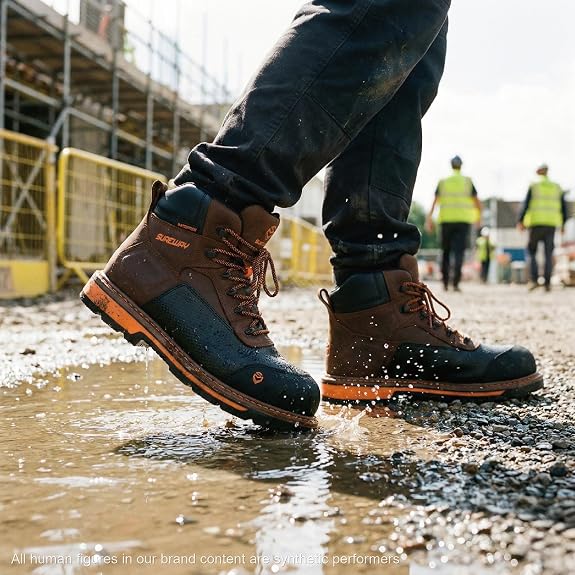
- 6-Inch Boots: The 6-inch boot is a classic and versatile style. It offers a good balance of ankle support and flexibility. This height is sufficient for most general construction and trade jobs.
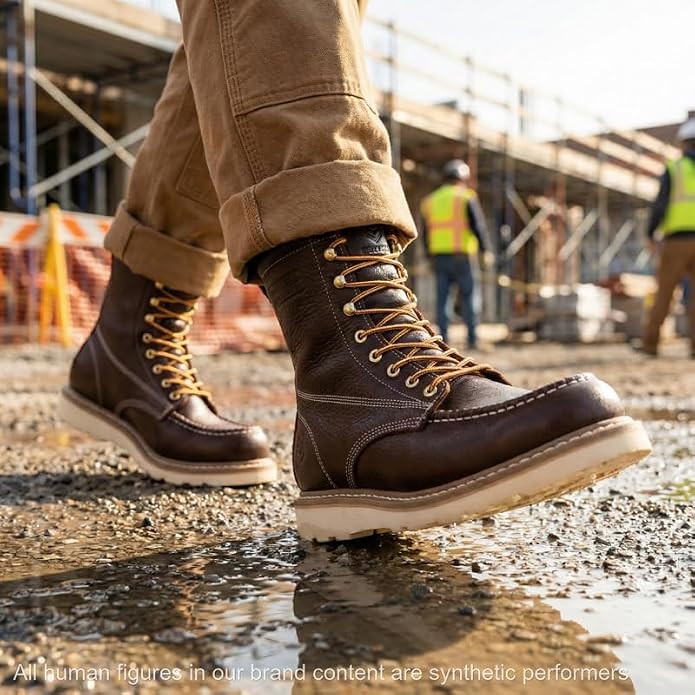
- Moc Toe Boots: Moc toe boots feature a U-shaped seam stitched around the top of the toe box. This design provides more room in the toe area. It is a comfortable choice for workers who spend a lot of time on their feet.
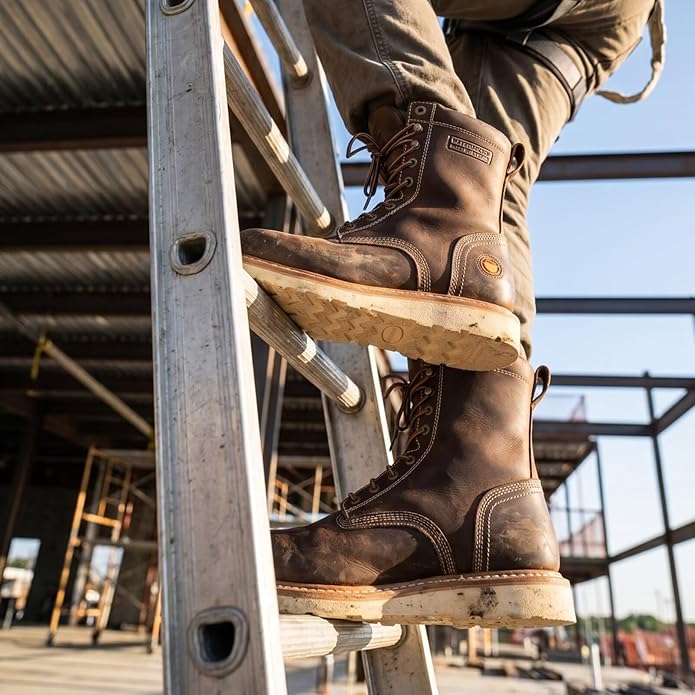
- Logger Boots: Logger boots have a much taller shaft, often 8 inches or more. They also feature a raised heel. This design provides maximum ankle support and traction on rough, uneven terrain. They are ideal for logging, forestry, and lineman work.
- Lightweight vs. Heavy-Duty: You can find both lightweight and heavy-duty options. Lightweight boots use modern materials to reduce weight without sacrificing support. They are great for jobs requiring a lot of walking. Heavy-duty boots prioritize maximum protection and durability for the most demanding environments.
Best Uses for Men's Lace Up Work Boots
The versatility of lace up boots work boots makes them suitable for a wide range of applications. Matching the boot to the job is key.
Construction and Industrial Work
For construction and industrial settings, safety is paramount. Heavy-duty boots are the best choice here. Look for pairs with certified safety toes (steel or composite). Also, ensure they have slip-resistant and puncture-resistant soles. A durable leather upper will protect against abrasions and impacts.
Outdoor and Farming
Work in agriculture or other outdoor fields requires protection from the elements. Waterproof boots are necessary for keeping feet dry in mud or rain. Insulated boots are necessary for working in cold climates. A rugged outsole with deep lugs will provide the traction needed on soft or uneven ground.
Casual and Everyday Wear
Many modern work boots have a stylish design. This makes them suitable for casual wear. A pair of quality leather lace up work boots can easily transition from the job site to everyday life. They offer a rugged aesthetic combined with superior comfort and durability.
Purchasing the Best Men's Lace Up Work Boots online: Sureway
Buying boots online offers convenience and a wide selection. When you shop at a trusted retailer like Sureway, you get access to detailed product descriptions and customer reviews. Measure your feet carefully and check the brand's sizing chart. Look for clear information on safety ratings and features to ensure you get the right boot for your job. A good return policy provides peace of mind in case the fit isn't perfect.
FAQs
What are the best lace-up work boots for construction?
For construction, you should look for boots with steel toes, slip-resistant soles, and waterproof features. These provide the necessary protection and durability for demanding job sites.
Are lace-up boots better than slip-on boots?
Lace-up boots provide better ankle support and a customizable fit. This makes them ideal for demanding jobs that involve walking on uneven terrain or climbing. Slip-on boots offer convenience but less support.
How do I clean and maintain leather lace-up boots?
You should regularly use a leather cleaner and conditioner. This keeps the leather from drying out and cracking. Applying a waterproofing spray also helps protect them from moisture.
What is the difference between steel toe and composite toe boots?
Steel toes offer maximum protection against impact and compression. They are the traditional choice for heavy-duty protection. Composite toes are lighter and non-metallic.
Can lace-up work boots be used for hiking?
Yes, many lace up work boots are designed for rugged outdoor use. They provide excellent traction and support.
Comment