Why Reliable Work Boots Safety Shoes Save Your Feet
Apr 27,2026 | Chad Sureway
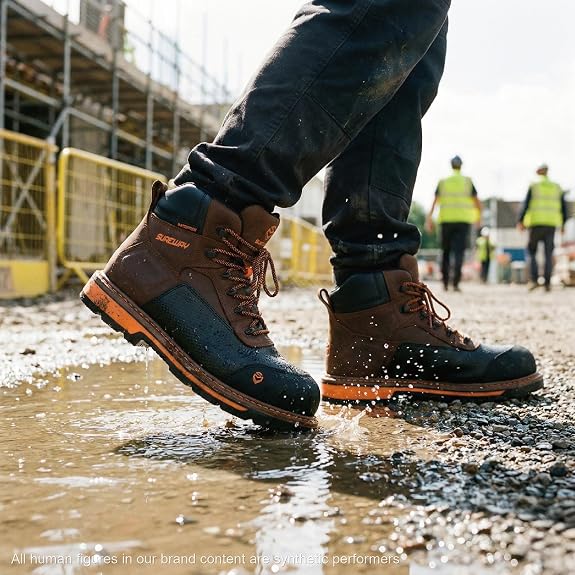
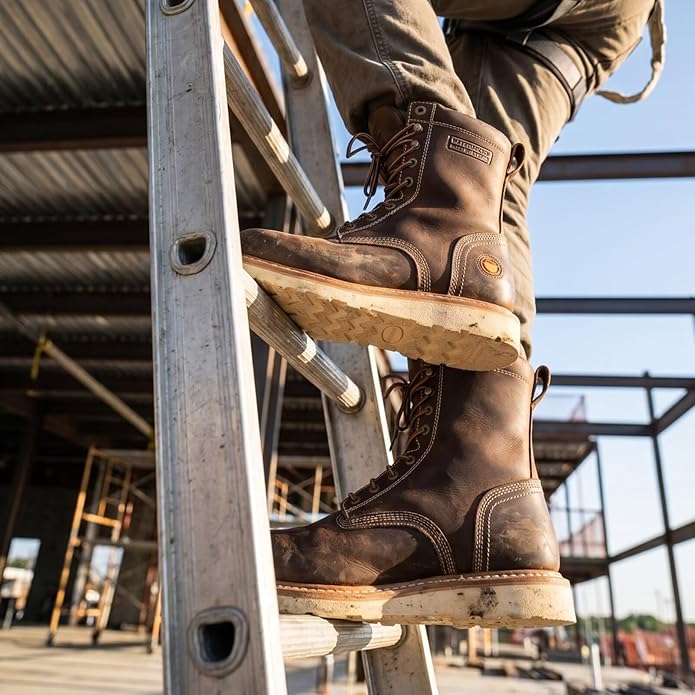
Workers face dangerous conditions daily. Proper work boots safety shoes protect feet from heavy impacts and dangerous slips. Heavy objects fall without warning. Slippery floors cause severe injuries. A sturdy pair of work boots safety shoes solves these problems immediately. Furthermore, quality boots prevent long-term joint pain. You avoid painful blisters and foot fatigue. In the long run, proper footwear increases your daily productivity. You perform tasks efficiently. They support your ankles on uneven ground. Protective footwear saves lives and prevents irreversible damage.
What Are Work Boots Safety Shoes?
Work boots safety shoes provide reinforced protection for hazardous environments. Manufacturers build these boots with tough materials. They include protective toe caps and slip-resistant outsoles. Construction workers and electricians wear them daily. The footwear meets strict industry standards. They shield feet from electrical shocks and sharp objects. Specifically, safety toe work boots block crushing forces. You stay safe on tough job sites. In addition, these specialized shoes resist corrosive chemicals. Industrial workers encounter dangerous acids frequently. Thick leather blocks these liquids effectively. Strong rubber soles stop sharp nails from piercing your feet. As a result, you walk across cluttered sites confidently. Plumbers and carpenters rely on this armor. Every pair undergoes rigorous stress tests. They prove their worth before reaching the store shelves. Moreover, specialized designs accommodate different foot shapes. You find the perfect fit easily.
Why Are Work Boots Safety Shoes Necessary?
Protection Against Workplace Hazards
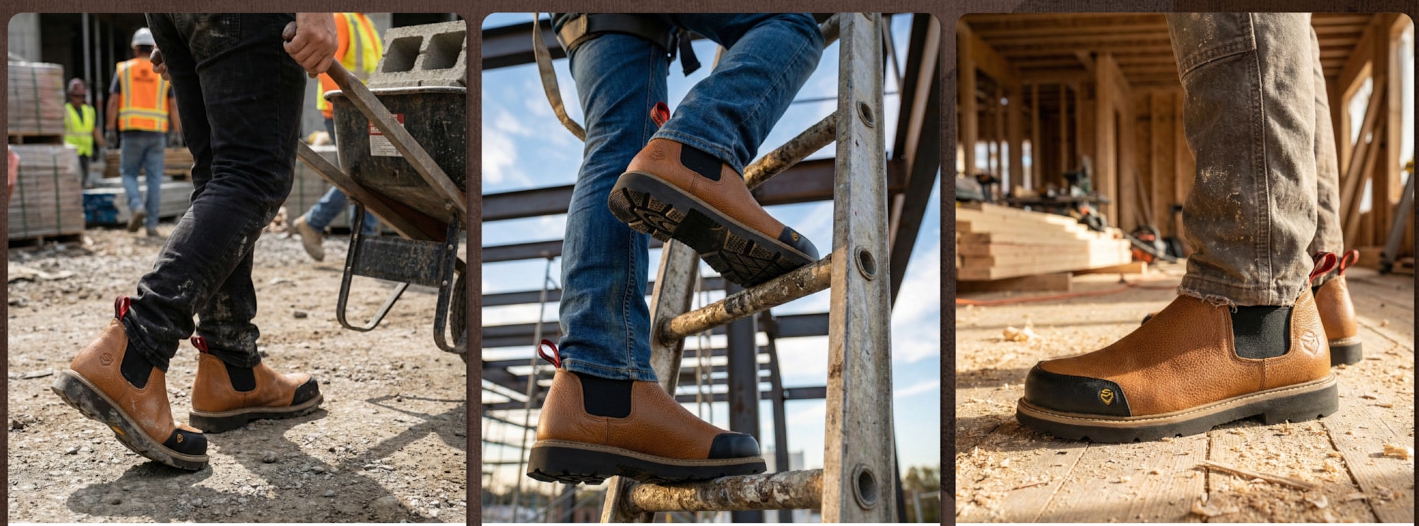
Work sites present daily dangers. Heavy tools drop suddenly. Nails puncture thin shoe soles. You need strong barriers against these threats. The steel boots men rely on deflect heavy weights. The tough exterior stops sharp debris. Additionally, specialized rubber soles resist electrical currents. You prevent terrible workplace injuries. A dropped hammer fractures unprotected toes instantly. Exposed wires deliver fatal shocks. Protective footwear neutralizes these specific threats. The reinforced materials absorb massive kinetic energy. In fact, safety toes withstand thousands of pounds of pressure. You walk away from accidents unhurt. Protective boots act as your personal shield. Thus, you maintain complete physical safety.
Enhanced Comfort for Long Shifts
Workers stand on hard concrete for hours. Bare flat shoes cause immense foot pain. Cushioned insoles absorb harsh shocks. Ergonomic designs support your arches properly. So, you experience less fatigue during long shifts. Quality boots align your spine. Soft interiors prevent friction. You work comfortably all day. Plantar fasciitis ruins careers. Thick midsoles distribute your body weight evenly. They relieve stress on your heels. Furthermore, padded collars prevent painful ankle chafing. Breathable linings keep your skin dry. You finish a twelve-hour shift without agonizing aches. Comfort directly impacts your job performance. Therefore, premium footwear represents an important career investment.
Durability for Tough Environments
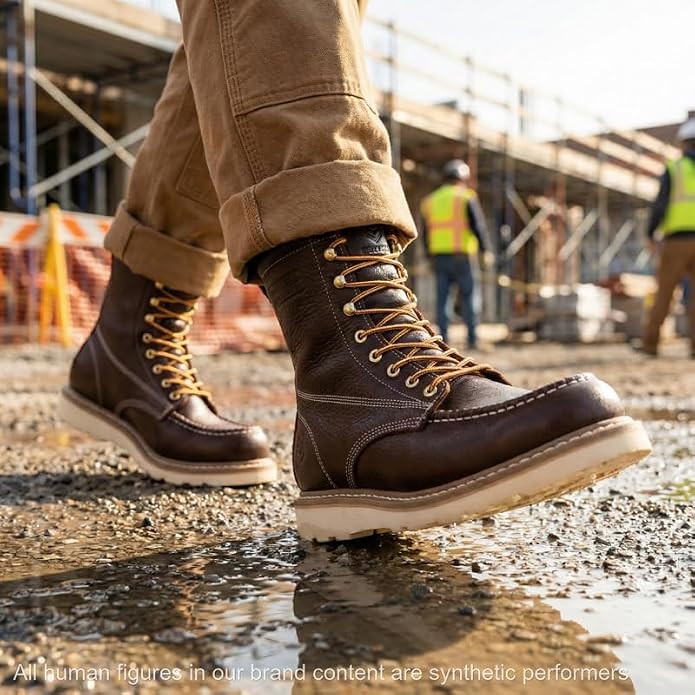
Cheap shoes tear quickly on rough sites. Manufacturers use full-grain leather for maximum strength. Goodyear welt construction stitches the sole firmly to the upper. Therefore, the boots survive extreme wear and tear. They withstand harsh chemicals and jagged rocks. You save money over time. The footwear lasts for years. Mud and gravel destroy synthetic fabrics fast. True leather repels abrasions naturally. A strong welt allows cobblers to replace worn soles. You extend the lifespan of your favorite pair. In the final analysis, premium materials offer superior value. They endure the harshest weather conditions. Accordingly, professionals refuse cheap alternatives. They demand exceptional durability.
Key Features of Safety Shoes
You must evaluate multiple components before buying. Every feature serves a distinct protective function. Manufacturers build different boots for specific trades.
|
Feature Specification |
Steel Toe Cap |
Composite Toe Cap |
|
Core Material |
Heavy Steel |
Plastic and Kevlar |
|
Overall Weight |
Heavy |
Very Light |
|
Heat Conduction |
Conducts Extreme Cold |
Non-conductive |
|
Electrical Hazard |
Dangerous if exposed |
Completely Safe |
|
Primary Application |
Heavy Construction |
Electrical Work |
Safety Standards
Safety organizations test workplace footwear rigorously. The ASTM sets specific performance requirements. Certified boots pass strict impact tests. They resist heavy compression forces. Always look for the ASTM tag inside the tongue. You guarantee your personal safety on site. Inspectors verify safety compliance regularly. Non-compliant shoes result in heavy fines. You must follow strict occupational rules. Certified shoes eliminate legal liabilities. They prove your commitment to workplace safety. Ultimately, standards save toes from destruction.
Toe Protection
Toe caps defend your fragile bones. Steel caps offer maximum shatter resistance. At the other hand, composite caps use tough plastics and Kevlar. Composite materials do not conduct electricity. Therefore, electricians choose composite models. Both options meet mandatory safety rules. The steel boots men trust handle the heaviest impacts. Alloy toes offer a third lightweight alternative. They utilize thin aluminum layers. You get maximum room inside the toe box. The right cap depends on your specific daily tasks. Specifically, safety toe work boots prevent severe crushing injuries.
Slip Resistance
Oil and water create dangerous walking surfaces. Slip-resistant soles grip slick floors tightly. The deep tread patterns channel liquids away from the shoe base. As a result, you maintain steady balance. You avoid disastrous falls on wet concrete. Falls cause broken arms and concussions. High-traction rubber bites into smooth surfaces. Mechanics walk confidently across oil spills. Chefs navigate greasy kitchen floors safely. The sole pattern determines the maximum grip level. Therefore, you must inspect the tread depth before purchase.
Common Questions and Answers
- What are the best work boots safety shoes for construction?
Look for ASTM-approved boots with steel or composite toes, slip-resistant soles, and waterproofing. - Are composite toe boots as safe as steel toe boots?
Yes, composite toes meet the same safety standards as steel toes but are lighter and non-conductive, ideal for electricians. - How do I choose the right size for safety shoes?
Ensure a snug fit with enough room for toe movement. Try boots with your work socks for accurate sizing. - Can safety shoes be waterproof and breathable?
Yes, many models feature waterproof membranes that keep water out while allowing moisture to escape, like the Sureway Men's Moc Toe Work Boots 601. - How often should I replace my work boots safety shoes?
Replace them when the soles wear out, the toe cap is exposed, or they no longer provide adequate support or protection.
Comment