Why Choose Composite Toe Work Boots Waterproof for Harsh Environments?
Jun 06,2026 | Chad Sureway
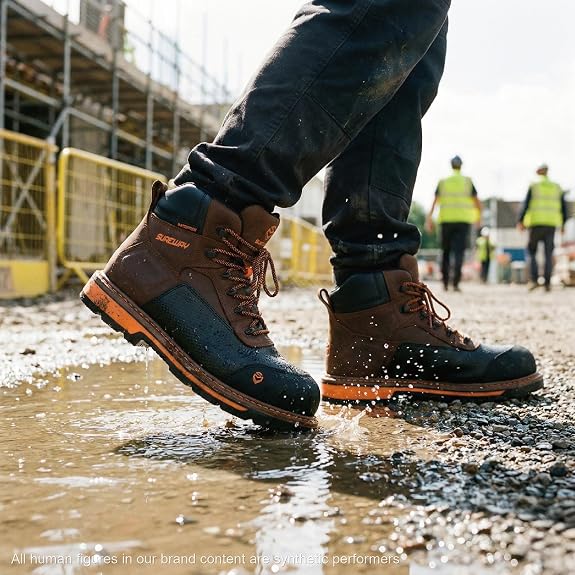
Workers encounter dangerous hazards and navigate uneven terrain daily, making reliable foot protection an absolute necessity. Carefully examining your specific work environment often reveals the constant threat of sharp objects or accidentally dropped heavy tools. To combat these exact risks, manufacturers specifically design composite toe work boots waterproof to handle extreme conditions. A robust toe cap completely absorbs heavy impacts, keeping your toes safe from crushing blows.
How Do Composite Toe Work Boots Waterproof Compare to Steel Toes?
Buyers constantly evaluate different safety materials to find the most effective protective gear. When compared to traditional metal options, waterproof composite toe work boots offer massive advantages. While heavy steel caps weigh down your feet and cause premature exhaustion, modern composite materials significantly reduce overall shoe weight. Consequently, walking longer distances feels effortless, and wearers experience drastically less leg fatigue by the end of the day.
Temperature regulation presents another major difference between the two protective styles. Because steel conducts heat and cold rapidly, your toes can easily freeze during harsh winter shifts. In contrast, composite structures naturally insulate your extremities, ensuring you stay warm and perform your duties excellently even in freezing environments.
Navigating daily security checkpoints also highlights the convenience of modern non-metallic footwear. Traditional steel toes instantly trigger metal detectors, wasting valuable time before a shift even begins. Conversely, composite materials pass smoothly through scanners, allowing workers to quickly enter secure buildings or government facilities. Whether you work at an airport or a highly regulated site, carefully reading safety ratings to confirm ASTM compliance ensures your footwear perfectly matches your strict workplace requirements.
|
Feature |
Composite Toe |
Steel Toe |
|
Weight |
~30% Lighter |
Heavy |
|
Thermal Conductivity |
None (stays warm) |
High (gets cold) |
|
Airport and Security |
Metal detector friendly |
Triggers alarms |
How Do Composite Toe Work Boots Waterproof Protect You?
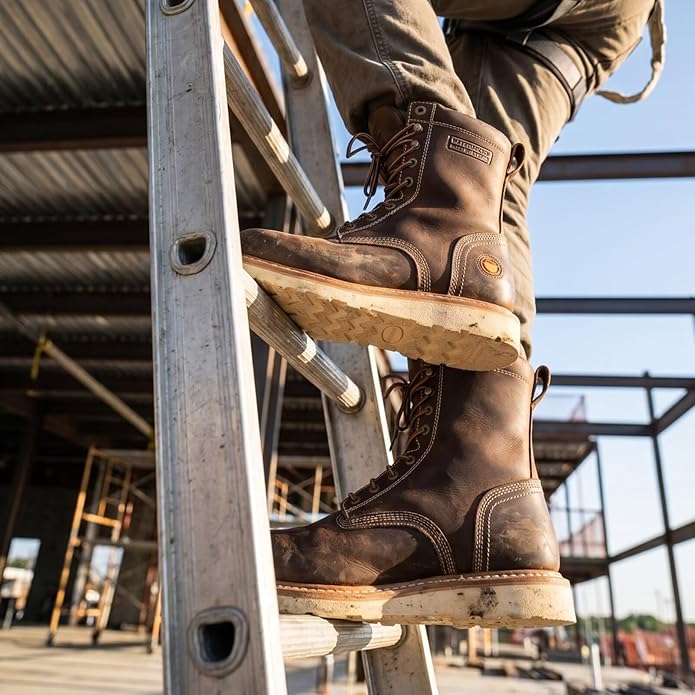
Slippery floors cause severe workplace accidents. Because of this hazard, proper traction is essential. Manufacturers address this by attaching waterproof, slip-resistant soles to their work boots. Deep rubber treads securely grip wet concrete. Workers can safely navigate oily shop floors as a result. Climbing wet ladders becomes a confident endeavor. Daily tasks rely heavily on these specialized treads. Meanwhile, the upper materials block liquid penetration. Harsh weather demands the reliability of waterproof, composite-toe footwear.
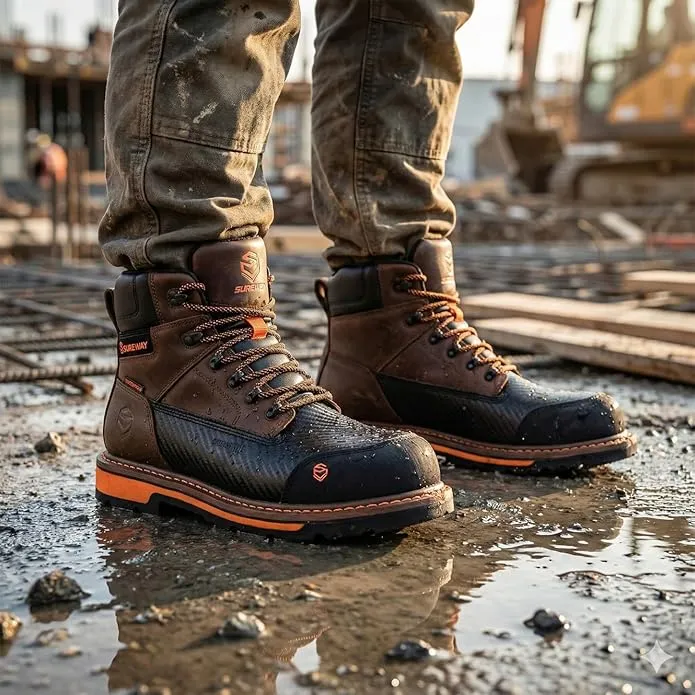
Consider, for instance, the Sureway Men's Composite Toe Waterproof Work Boot. Tackling muddy job sites is much easier with this gear. Falling lumber poses no threat to your protected toes. Additionally, heavy-duty options exist for more extreme conditions.
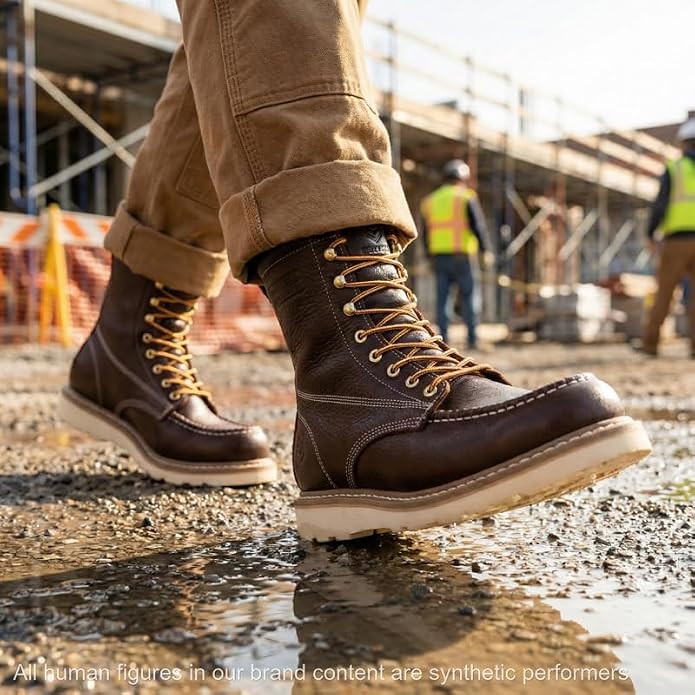
Purchasing the Sureway Men's 8 inch Waterproof composite Toe Work Boots offers even more protection. Perfect ankle support is guaranteed with this taller design. Trudging through deep snow feels virtually effortless. Winter logging requires exactly this type of rugged footwear. Plumbing jobs also benefit from such specialized designs. Altogether, these robust features prevent catastrophic injuries. Maintaining your daily income depends on staying healthy on the job. Finishing tasks quickly requires the confidence of proper gear. Indeed, trusting experienced shoemakers is a smart investment. Rigorous testing ensures their products hold up to real-world demands. Absolute safety remains their ultimate goal.
Top 5 Common Questions
- Are composite toes as strong as steel toes?
Yes, they must pass the exact same ASTM safety standards for impact and compression as steel toes.
- Do composite toe boots make feet sweat more?
The toe itself doesn't, but the waterproof membrane can reduce breathability. Look for boots with moisture-wicking linings.
- Can a composite toe shatter?
Under extreme, catastrophic pressure that exceeds safety ratings, composite materials will crack or shatter, whereas steel bends.
- How do I maintain waterproof work boots?
Clean mud off regularly, as dirt degrades the leather. Apply a water-repellent conditioning wax to protect the outer layer.
- Are composite boots good for electricians?
Yes, because composite materials are non-metallic, they do not conduct electricity, making them ideal for electrical hazard (EH) environments.
Comment