The Ultimate Guide to Men's Work Slip On Boots
Jun 08,2026 | Chad Sureway
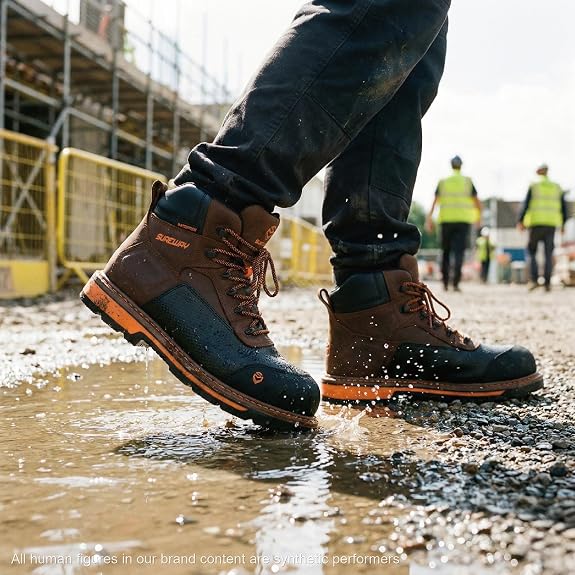
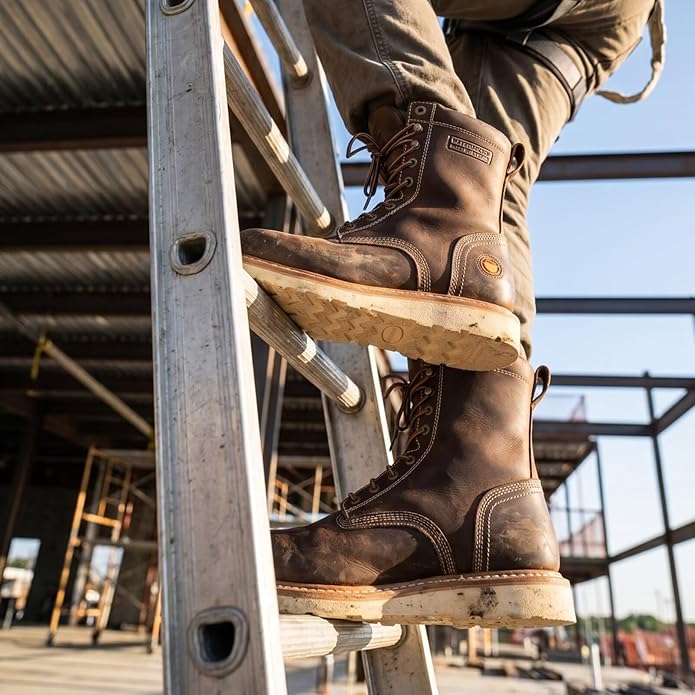
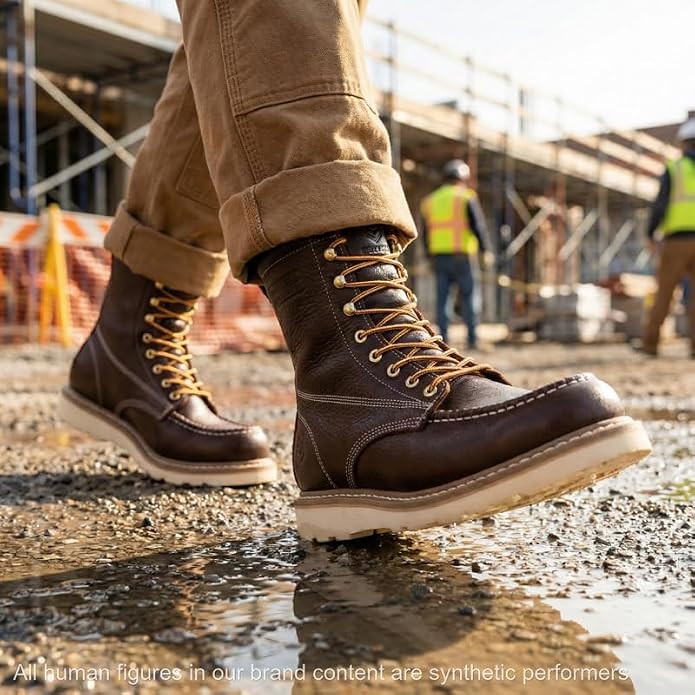
Workers face tight schedules daily. Accordingly, professionals need convenient footwear. Many laborers transition to men's work slip on boots for speed. Laces break constantly. Dirt clogs traditional eyelets quickly. On the other hand, laceless designs solve these annoying problems. Users slide their feet inside instantly. Furthermore, modern manufacturers build tough soles. The thick rubber resists slippery oils. So, workers maintain perfect balance on slick warehouse floors. Proper footwear prevents dangerous workplace accidents.
What Defines the Best Men's Work Slip On Boots?
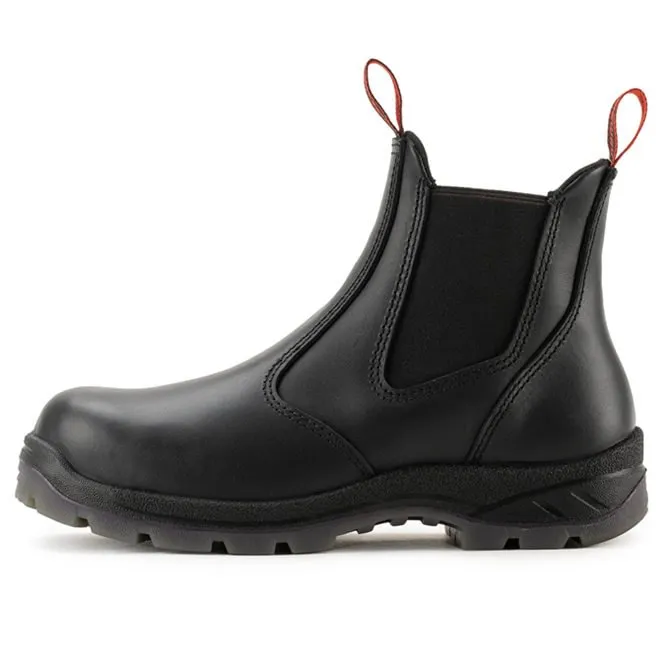
Shoppers must identify critical footwear components. Basically, specific structural parts define the best mens slip on work boots. The lack of laces requires clever engineering. Boot makers utilize specialized hidden structures. For example, companies design men's work slip on boots with reinforced heels. This hidden plastic cup secures the back foot. Sturdy pull loops facilitate easy daily entry. Stiff shanks support heavy body weight efficiently. Customers evaluate these features carefully. A poor design causes terrible foot pain. High quality materials ensure long lasting comfort. Buyers check the leather thickness first. Additionally, the sole material matters immensely. Polyurethane outsoles absorb hard concrete shocks. Afterward, workers feel less leg fatigue. Men wear men's work slip on boots for maximum daily comfort. Durable stitching holds the elastic panels firmly. Weak thread breaks under heavy stress. Therefore, premium thread prevents premature blowout.
|
Specification |
Importance for Slip On Boots |
|
Heel Counter |
Prevents heel slip without the aid of laces |
|
Pull Loops |
Leverages the boot onto the foot easily |
|
Safety Shank |
Provides arch support missing from standard laceless shoes |
|
Elastic Gussets |
Stretches sideways during foot entry |
|
Contoured Insole |
Cradles the foot bottom tightly |
How to Size Men's Work Slip On Boots Correctly?
Proper fit dictates overall comfort. First, buyers measure their feet accurately. Usually, mens slip on work boots fit differently than sneakers. The heel requires a slight slip initially. Specifically, new thick leather feels very stiff. The stiff leather softens over time, and the annoying heel slip disappears eventually.
Customers must test boots with thick socks. The toes need ample wiggle room. Tight toe boxes cause painful toe blisters. On the other hand, the instep must feel snug. A tight instep holds the foot securely. Otherwise, the foot slides forward dangerously. Shoppers walk around the store slowly. You must evaluate the arch support directly. Finally, men's work slip on boots contour to your unique foot shape permanently.
Top Recommendations for Men's Work Slip On Boots
Shoppers find the best mens slip on work boots in specific brand collections. Workers need reliable foot protection daily. For example, the Sureway Men's Composite Toe Slip on Work Boots provide maximum workplace safety. The strong composite toe blocks heavy dropped tools effectively. Additionally, many professionals prefer versatile footwear styles. The Sureway Men's Slip On Work Boots Casual boots blend tough construction with everyday comfort. Users wear them on job sites and weekend outings equally. Furthermore, premium materials elevate the entire workwear experience. Customers buy the Sureway Men's Imported Leather Slip On Casual Chelsea Boots 608 for superior outdoor durability. The rich imported leather repels water naturally. Consequently, laborers conquer demanding tasks confidently. These quality options meet diverse professional needs perfectly.
Top 5 Common Questions
- Are slip-on work boots bad for your feet?
No, provided they fit correctly and feature strong arch shanks and contoured insoles to support the foot natively.
- How long do slip-on work boots last?
High-quality leather pull-ons with Goodyear welts can last several years, depending on the job site's harshness and leather care.
- Can slip-on boots handle uneven terrain?
They offer less ankle lockdown than lace-up boots, making them better suited for flat concrete, warehouse floors, or machine operation.
- Are slip-on work boots allowed on job sites?
Yes, as long as they feature the required safety toe and slip-resistant ratings mandated by site safety managers.
- How do I stop my heel from slipping in pull-on boots?
If broken-in boots still slip, add a thicker insole to raise your foot into the narrower part of the boot's upper.
Comment