What Do You Know about Soft Toe Waterproof Work Boots
Jan 17,2026 | Chad Sureway
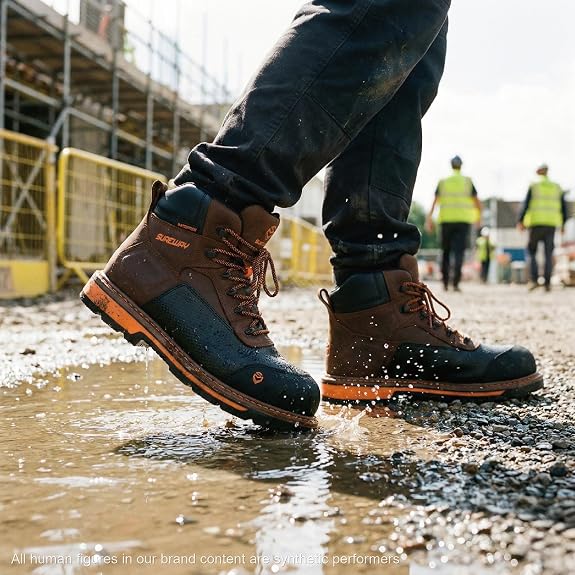
Finding the right gear for your job often feels like a balancing act between safety and comfort. While heavy-duty protection gets a lot of attention, soft toe waterproof work boots offer a unique solution for workers who prioritize agility and dry feet over heavy impact protection. These boots provide necessary support without the added weight of steel or composite caps. You might wonder if they are tough enough for your daily grind. In this guide, Sureway will explore everything you need to know about these versatile boots.
Why Choose Soft Toe Waterproof Work Boots?
Selecting the right footwear affects your entire workday. Soft toe work boots serve specific needs that heavy safety boots cannot meet. They bridge the gap between casual comfort and industrial durability.
Benefits of Soft Toe Boots for Comfort and Flexibility
Your feet bear the brunt of your workload. Heavy boots often lead to fatigue before your shift ends. Soft toe boots eliminate the bulky cap found in safety footwear. This reduction in weight allows you to move faster and with less effort.
Flexibility is another major advantage. When you crouch, climb, or kneel, rigid toe caps often dig into your feet. Soft toe designs bend naturally with your movement. This natural range of motion reduces strain on your ankles and arches. Workers in warehouses.
Importance of Waterproofing in Work Environments
Wet feet are more than just an annoyance. Moisture inside your boot leads to blisters, fungal infections, and cold stress. Waterproofing acts as a critical barrier against the elements. Whether you work outdoors in the rain or indoors near wash-down stations.
Quality waterproofing also extends the life of the boot. Water damages leather and degrades synthetic materials over time. A reliable waterproof membrane protects the boot's structure while keeping your socks dry. This feature ensures you stay focused on your tasks rather than your discomfort.
Comparison with Steel Toe and Composite Toe Boots
Knowing the differences between boot types helps you make an informed choice. Below is a detailed breakdown of how soft toe waterproof work boots compare to their safety toe counterparts.
|
Feature |
Soft Toe Waterproof Boots |
||
|
Weight |
Lightweight (best for agility) |
Heavy (steel adds significant weight) |
Medium (lighter than steel, heavier than soft) |
|
Toe Protection |
Minimal (no impact rating) |
Maximum (ANSI/ASTM rated) |
High (ANSI/ASTM rated) |
|
Temperature Control |
Excellent (doesn't conduct cold/heat) |
Poor (steel conducts cold/heat) |
Good (insulates better than steel) |
|
Flexibility |
High (bends easily) |
Low (rigid toe box) |
Low to Medium (bulky toe box) |
|
Security Checkpoints |
Metal-detector friendly |
Triggers metal detectors |
Metal-detector friendly |
|
Best Use Case |
Landscaping, drivers, light industry |
Heavy construction, demolition |
Electricians, outdoor winter work |
Best Soft Toe Waterproof Work Boots for Specific Needs
Different jobs require different boot configurations. Identifying your primary work environment helps you narrow down the vast options available.
For Construction Workers
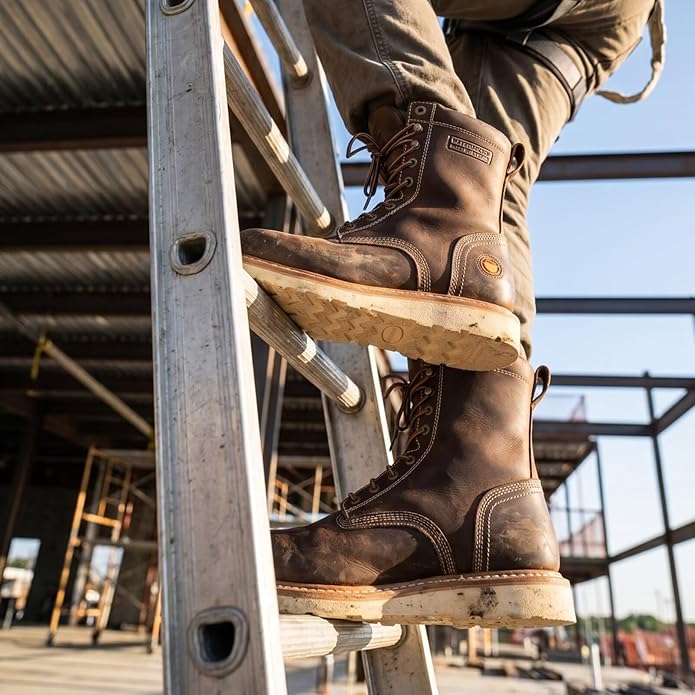
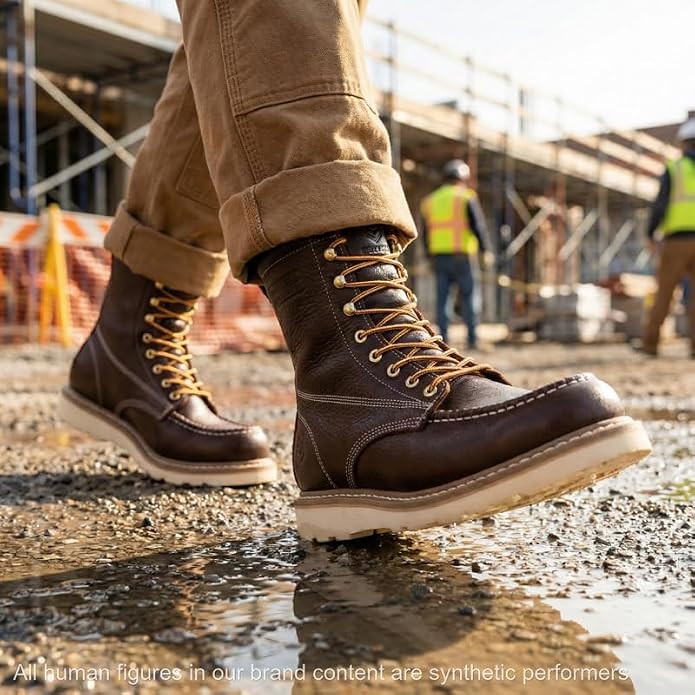
While heavy construction requires safety toes, light construction often allows for soft toes. Framers, painters, and drywall installers benefit from waterproof soft toe work boots that offer superior grip. You need a boot with a wedge sole for stability on flat surfaces.
Durability is key here. Look for triple-stitching on high-stress areas. A Goodyear welt construction allows you to resole the boots. These boots handle the dust, mud, and debris of a job site without weighing you down.
For Outdoor Jobs
Landscapers, farmers, and delivery drivers face the elements daily. If you work outdoors, insulation becomes a priority alongside waterproofing. Thinsulate™ or similar linings trap body heat without adding bulk.
You also need a more aggressive tread pattern. Deep lugs dig into mud, grass, and snow. A higher shaft height, such as 6 or 8 inches, prevents debris and water from entering the top of the boot. These features ensure your feet stay warm and dry regardless of the weather forecast.
For Light Industrial Work
Factory workers and warehouse staff walk miles every day. Weight is your enemy in these environments. You need athletic-style work boots that feel like sneakers but perform like tools.
Breathability is important indoors. Synthetic uppers or hybrid leather designs allow maximum airflow. Combined with a slip-resistant sole, these boots keep you safe on polished concrete floors. They provide the support you need for long shifts without the heat buildup of heavy leather boots.
Frequently Asked Questions
What are soft toe waterproof work boots?
Soft toe waterproof work boots are designed without a protective toe cap.
Are soft toe boots suitable for construction work?
Yes, they are ideal for light construction tasks where toe protection is not mandatory but comfort and waterproofing are necessary.
How do I maintain waterproofing in my boots?
Use waterproof sprays and conditioners regularly, and clean boots after exposure to mud or water.
Can soft toe boots provide slip resistance?
Yes, many models feature slip-resistant soles.
Comment