Safety Boots for Mechanics: Choosing the Right Composite Toe Work Boots
Apr 01,2026 | Chad Sureway
Mechanics face unique workplace dangers that demand specialized footwear. From heavy tools to slippery floors and live electrical wires, the risks are constant and severe. Ordinary shoes simply can't provide the protection needed in such hazardous environments. In this article, Sureway will explore the importance of safety boots for mechanics, focusing on composite toe work boots, slip-resistant soles, and waterproof designs.
Why You Need Safety Boots for Mechanics
Garage environments test human physical endurance. Mechanics lift heavy engine blocks constantly. Technicians drop heavy steel wrenches frequently. Slippery transmission fluids leak onto the ground. Exposed battery wires carry live electrical currents. Sharp metal scraps puncture normal shoe soles. Obviously, bare feet or thin shoes invite disaster.
Therefore, safety boots for mechanics provide necessary workshop armor. Tough toe caps absorb massive crushing forces. Thick rubber soles resist sharp iron nails. Non-conductive materials prevent deadly electrical shocks.
Additionally, robust ankle supports stop painful joint twists. Mechanics navigate cluttered shop floors constantly. Mechanics stand on hard concrete for ten hours daily. Proper work footwear cushions these heavy impacts. Furthermore, safety boots for mechanics reduce severe joint fatigue. Strong boot shanks support your foot arches.
Features to Look for in Safety Boots for Mechanics
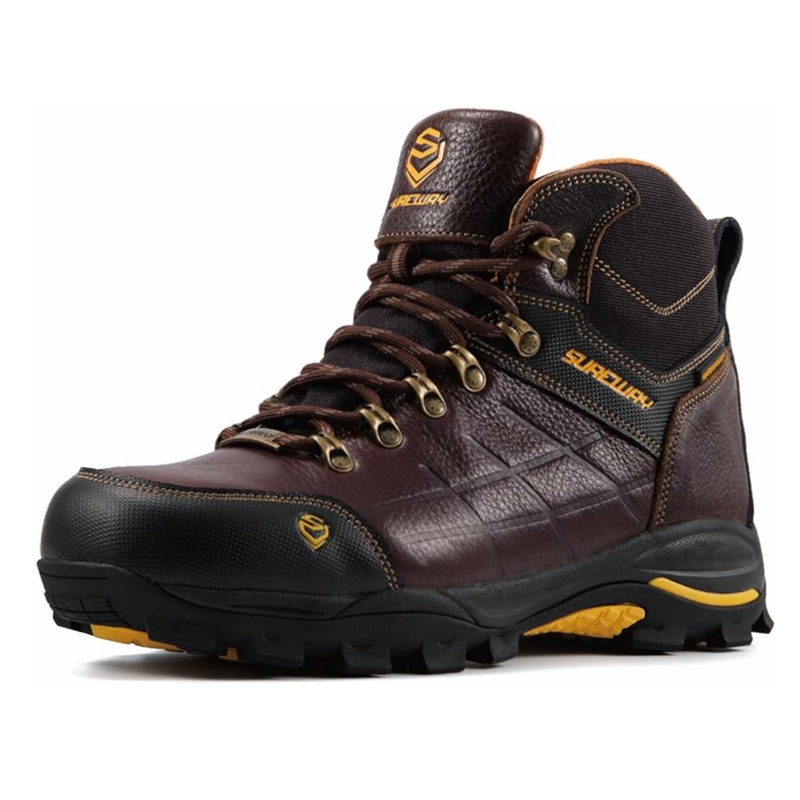
You must evaluate safety boots for mechanics carefully. Different shoe materials offer different hazard protections. First, we examine composite toe work boots. Manufacturers construct composite toes from strong Kevlar, rigid plastic, or carbon fiber. These strong materials resist massive falling weights. Furthermore, composite toe work boots feel incredibly lightweight. Heavy steel toes drag your feet down.
On the other hand, lightweight composite materials save your leg energy. They also insulate your toes perfectly. Steel toes freeze your feet during winter. Composite toes retain natural body heat efficiently. Composite toes block external heat during summer.
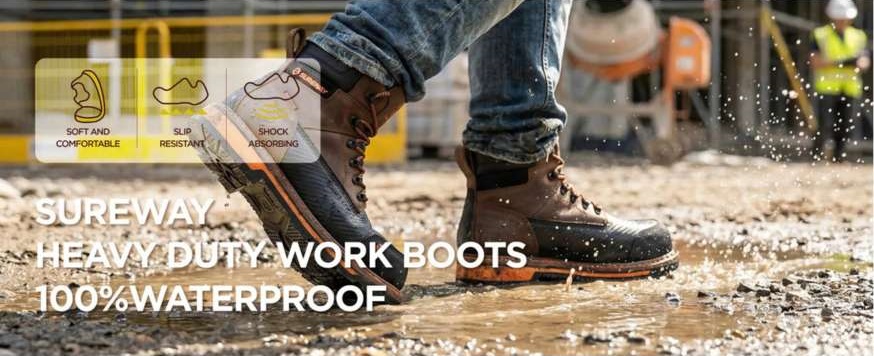
Secondly, mechanics need slip resistant safety boots. Automotive shops contain hazardous puddles constantly. Engine oil mixes with water on smooth floors. Mechanics slip and fall frequently. Slip resistant safety boots grip wet surfaces aggressively. Engineers design special rubber tread patterns. These deep grooves channel slippery liquids away. This important traction stops sudden dangerous falls. Soft rubber compounds stick to greasy concrete effectively. You walk confidently across slick garage floors.
Thirdly, you must consider waterproof mechanic boots. Technicians wash dirty cars often. Engine coolant leaks soak work areas quickly. Waterproof mechanic boots block external liquid penetration. Special waterproof membranes wrap the inner boot entirely. At the same time, these breathable membranes expel internal sweat vapor. Dry feet prevent painful skin blisters. Furthermore, dry feet stop fungal infections entirely. Breathable boot linings cool your hot feet. You stay comfortable during intense summer shifts.
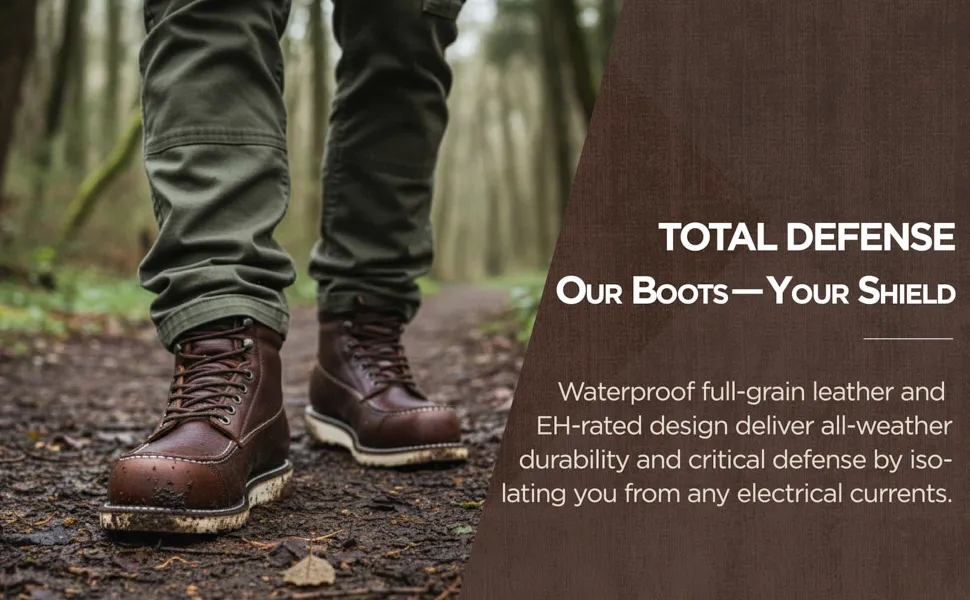
Lastly, safety boots for mechanics provide electrical hazard protection. Mechanics test high voltage car batteries daily. Alternators carry strong electrical currents. Electrical hazard boots feature thick insulating rubber soles. They block dangerous currents entirely. They save lives during unexpected electrical accidents. Thick leather uppers provide extra electrical resistance. You work safely around hybrid vehicle batteries.
Composite Toe Versus Steel Toe Specifications
Let us compare composite and steel toe options directly. You must know these functional differences. Accordingly, we list the exact boot specifications below. You compare these features easily.
|
Boot Specification |
Composite Toe Boots |
Steel Toe Boots |
|
Core Material |
Kevlar or Carbon Fiber |
Solid Steel Alloy |
|
Total Weight |
Extremely Lightweight |
Very Heavy |
|
Electrical Conductivity |
Zero Conductivity |
High Conductivity |
|
Temperature Insulation |
Retains Natural Heat |
Freezes in Winter |
|
Impact Resistance |
Meets ASTM Standards |
Meets ASTM Standards |
|
Metal Detector Alert |
Passes Through Silently |
Triggers Loud Alarms |
|
Toe Box Profile |
Thick and Bulky |
Thin and Sleek |
Daily Boot Maintenance Tips
Work environments ruin safety boots for mechanics rapidly. Dirt degrades expensive leather materials rapidly. Engine oil rots synthetic boot stitching quickly. Therefore, you must clean your safety boots for mechanics daily. You brush off thick dry mud first. You wipe away corrosive garage chemicals next. You use a damp cloth for basic cleaning. Afterward, you let the boots dry naturally. You never place wet boots near hot space heaters. Intense heat cracks premium leather permanently.
Additionally, you must apply waterproof sprays monthly. Silicone sprays repel shop water effectively. This chemical barrier preserves natural leather flexibility. You rub mink oil into dry boot surfaces. The leather absorbs this protective oil quickly. Soft leather prevents painful foot blisters. Conditioned leather repels liquid oil stains better.
Moreover, you must replace worn insoles every six months. Flat insoles ruin your foot support completely. Fresh insoles cushion your heavy steps perfectly. Good arch support reduces lower back pain. You also must control internal boot odors. You sprinkle baking soda inside your boots weekly. Baking soda absorbs foul foot sweat effectively.
At last, you check your safety boots for mechanics weekly. You inspect rubber soles for deep cracks. You look for exposed safety toe caps. Worn treads cause dangerous workplace slips. You replace severely damaged boots immediately.
Frequently Asked Questions
- Are composite toe boots as safe as steel toe boots?
Yes, composite toe boots meet ASTM safety standards and provide lightweight, non-metallic protection.
- Can composite toe boots be used in extreme temperatures?
Yes, they don’t conduct heat or cold, making them suitable for various environments.
- How do I choose the right size for safety boots?
Ensure a snug fit with enough room for toe movement. Consider trying boots with your work socks.
- Are composite toe boots suitable for electrical work?
Absolutely, as they are non-conductive and provide electrical hazard protection.
- How long do safety boots typically last?
With proper care, high-quality safety boots can last 1-2 years, depending on usage.
Comment