Lace Work Boot
Feb 27,2026 | Chad Sureway
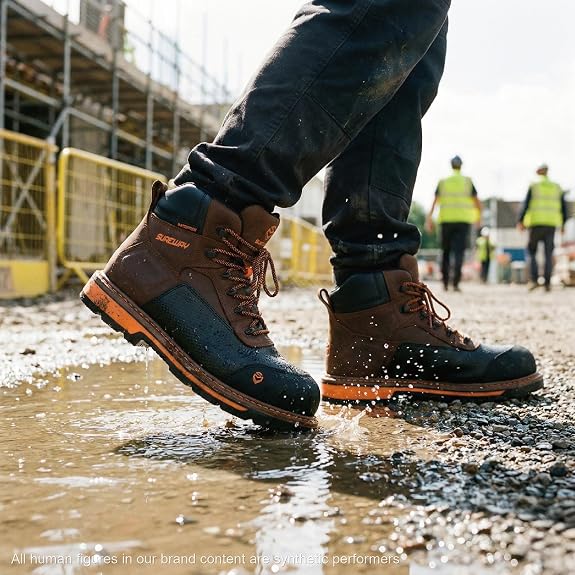
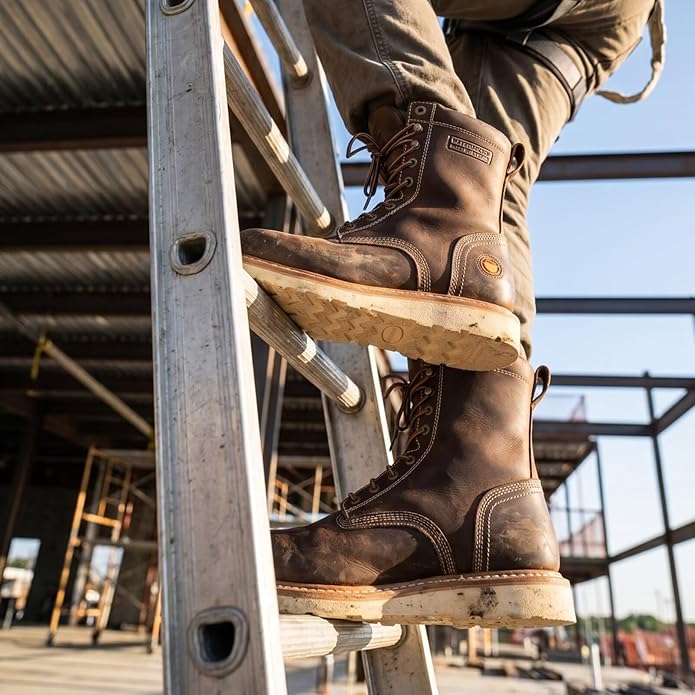
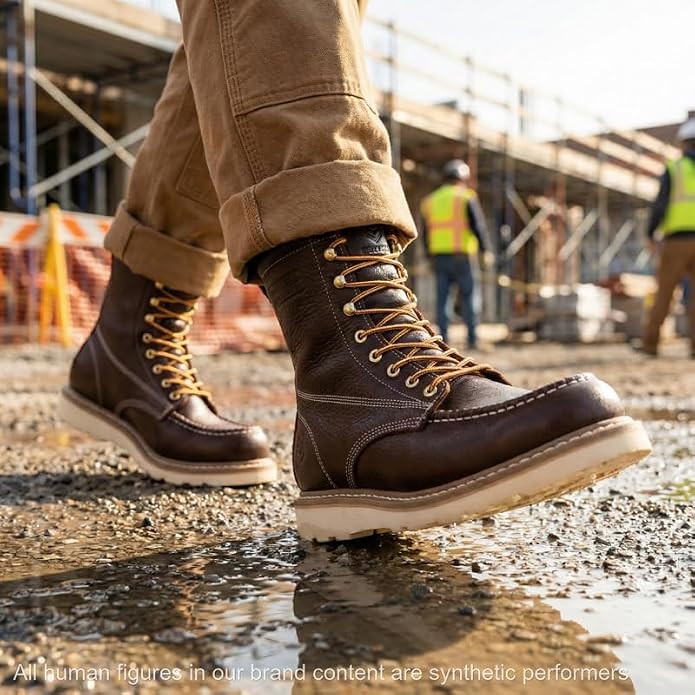
When selecting footwear for demanding jobs, workers need boots that offer safety, support, and durability. Among the many styles available, the traditional lace work boot remains a top choice for professionals across various industries. Its design provides a customizable fit and superior ankle support. Also, knowing how to lace up properly and what features are important makes sure that you are both comfortable and safe at work all day.
Why Choose a Lace Work Boot?
Lace-up designs offer distinct advantages over other styles, such as pull-on boots. The primary benefit is the ability to achieve a secure, customized fit. You can adjust the tightness of the laces to accommodate your foot shape and sock thickness. This ensures your foot does not slip inside the boot.
Moreover, a well-fitted lace boot provides excellent ankle support. This is important for workers who navigate uneven terrain or carry heavy loads. The laces help lock the heel in place and stabilize the ankle joint. This significantly reduces the likelihood of twists and sprains. Their adaptability makes them suitable for construction sites.
Features to Look for in a Heavy Duty Work Boot
Not all work boots are created equal. For tough jobs, you need a heavy duty work boot with features designed for maximum protection and longevity.
Material Durability
The upper part of the boot is made of a material that is very important for its overall strength. Full-grain leather is a popular choice. It is incredibly tough, breathable, and molds to your foot over time for a personalized fit. Synthetic materials, on the other hand, often provide enhanced water resistance and can be lighter in weight. The choice between leather and synthetics generally depends on your specific work conditions and personal preference.
Toe Protection
Protecting your toes from impact and compression is non-negotiable in many professions. Steel-toe boots offer the highest level of protection against heavy falling objects. They are a staple in construction and industrial settings. An alternative is the composite toe. It is made from non-metal materials like carbon fiber or plastic. Composite toes are lighter than steel and do not conduct electricity.
Sole Traction
The outsole is your boot’s point of contact with the ground. Therefore, its design is important for safety. A slip-resistant sole is necessary for anyone working on wet, oily, or smooth surfaces. Look for outsoles made from high-traction rubber with deep lugs or specialized tread patterns. This feature provides the grip you need to stay on your feet in hazardous conditions.
Frequently Asked Questions
- What are the benefits of lace work boots over pull-on boots?
Lace work boots offer a customizable fit, better ankle support, and enhanced safety for demanding jobs.
- Are steel-toe boots necessary for all jobs?
Steel-toe boots are essential for jobs involving heavy machinery or potential foot injuries.
- How can I make my work boots last longer?
Regular cleaning, conditioning, and replacing worn-out laces or soles can extend their lifespan.
Comment