Heavy Duty Work Boots Waterproof: Features, Benefits, and Maintenance
Mar 26,2026 | Chad Sureway
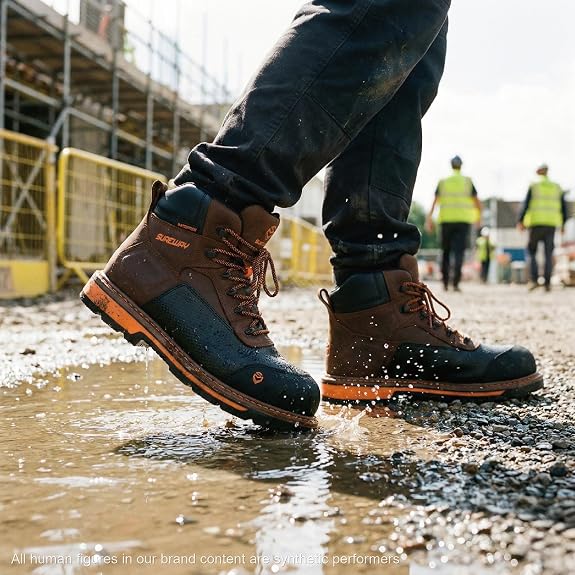
Construction workers and industrial professionals face wet environments daily. You need proper foot protection on every job site. Heavy duty work boots waterproof provide this exact shield against harsh elements. In this article, Sureway will explore the necessary features for these boots. You will learn the specific benefits for your daily works.
.jpg?w=1464&h=600)
What to Look for Heavy Duty Work Boots Waterproof
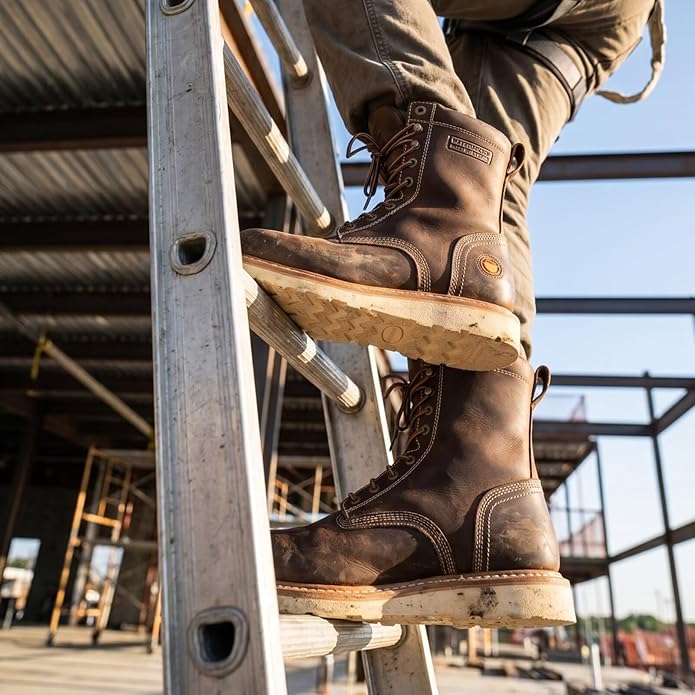
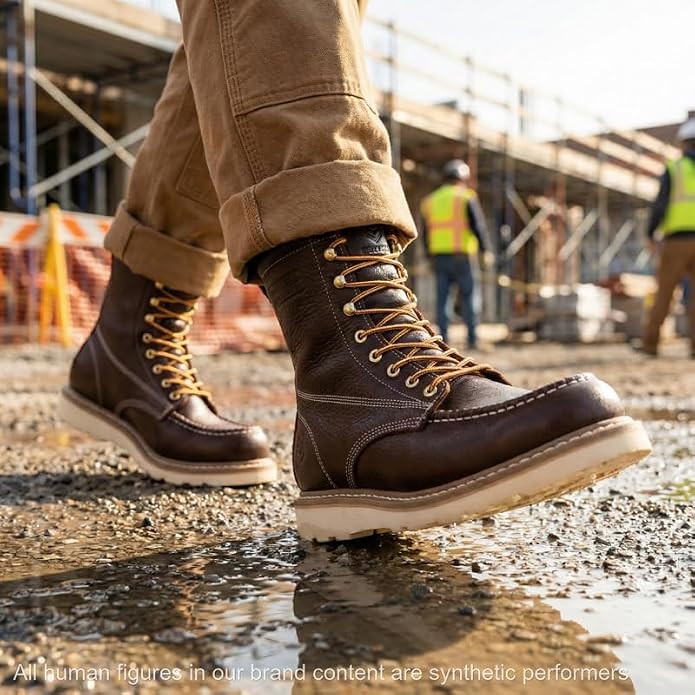
Manufacturers build premium boots with specific protective components. Waterproof membranes and sealed seams block water completely. Specifically, durable materials like leather and rubber resist physical damage. Leather withstands sharp objects effectively. Rubber outsoles grip wet floors securely. Furthermore, you select reinforced toe options for impact protection. Steel toe caps stop heavy falling objects. Composite toe caps resist electrical currents safely. Soft toe options offer flexibility for light tasks.
You inspect the stitching quality carefully. Double stitching prevents material separation. You gain ultimate protection on rugged sites. Workers appreciate breathable linings inside the boots. Breathable materials push sweat away from your skin. Then again, the exterior layer blocks external rain perfectly. You look for gusseted tongues on your boots. Gusseted tongues stop dirt entry completely. As a result, your feet stay completely clean.
Benefits of Waterproofing in Work Boots
Workers experience harsh weather constantly during outdoor shifts. First, waterproof barriers offer protection against water, mud, and harsh weather. Mud ruins standard footwear quickly. Water damages untreated leather permanently. So, dry feet prevent painful blisters and dangerous fungal infections. Second, you achieve enhanced comfort for long shifts in wet conditions. Comfort directly increases your daily productivity. Therefore, dry feet keep your energy levels high all day long.
Additionally, waterproof features save you money over time. Dry materials do not rot quickly. Subsequently, your boots last much longer than standard options. You avoid frequent replacement costs. You also protect your immune system. Cold feet lower your body temperature rapidly. In effect, waterproof boots keep you healthy during winter storms. You work confidently through massive rainstorms. Thus, you complete your projects strictly on schedule.
Heavy Duty Work Boots Features
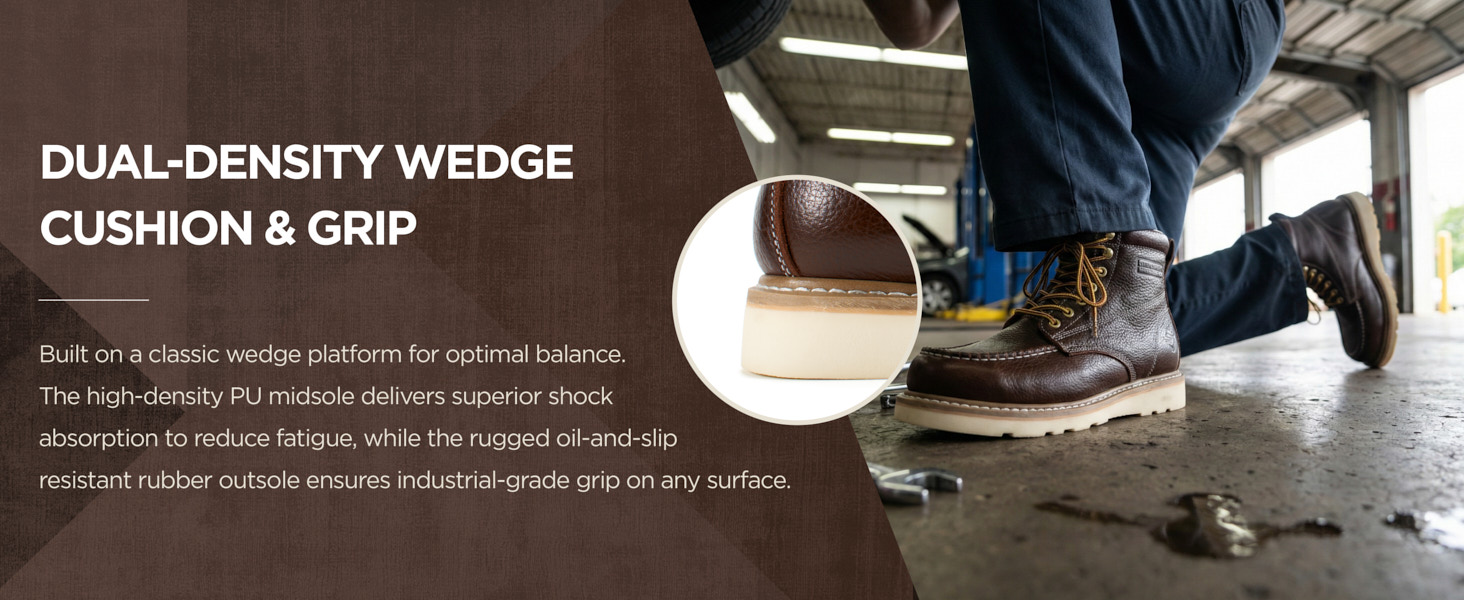
Work boots heavy duty feature specific safety elements for extreme environments. Slip resistant soles grab wet surfaces securely. Manufacturers cut deep tread patterns into the rubber bottoms. Consequently, you avoid dangerous falls on slick concrete. Electrical hazard protection blocks strong currents effectively. Special rubber compounds stop electricity travel. Insulation traps body heat in cold environments. Thick insulating layers reflect cold air away. Therefore, you work safely during extreme winter months.
You also require proper arch support. Strong shanks support your foot arches perfectly. Steel shanks stop foot fatigue during long standing periods. Moreover, shock absorbing midsoles cushion your heavy steps. Foam layers reduce joint pain significantly. As a result, your knees feel great after long shifts. Puncture resistant plates stop sharp nails. Kevlar materials block sharp metal objects effectively. All in all, these features save lives daily.
Heavy Duty Work Boots Comparison
You must evaluate different boot designs for your specific profession. Pull on designs allow fast changes. You simply slide your foot inside the shaft. The lace up designs offer tight ankle support. You tie the laces tightly for uneven terrain. You also find various height variations on the market. Manufacturers produce 6-inch, 8-inch, and 10-inch models. You choose the right heavy duty work boot based on job requirements. Tall boots block deep water effectively. Short boots allow fast ankle movement.
|
Feature |
Pull On Design |
Lace Up Design |
6 Inch Height Boot |
8 Inch Height Boot |
10 Inch Height Boot |
|
Ankle Support Level |
Low |
Maximum |
Medium |
High |
Maximum |
|
Application Speed |
Fast |
Slow |
Fast |
Medium |
Slow |
|
Water Blocking Ability |
Medium |
High |
Low |
Medium |
Maximum |
|
Terrain Suitability |
Flat surfaces |
Uneven ground |
Indoor sites |
Outdoor sites |
Extreme mud |
|
Flexibility |
High |
Medium |
Maximum |
Medium |
Low |
|
Debris Protection |
Medium |
High |
Low |
Medium |
Maximum |
|
Weight Profile |
Heavy |
Adjustable |
Light |
Medium |
Heavy |
You analyze your daily work terrain carefully. You buy lace up boots for rocky hills. You purchase pull on boots for flat warehouse floors. You buy 10-inch boots for deep trench work. Furthermore, you buy 6-inch boots for indoor warehouse duties. You match the boot profile to your daily hazards exactly.
Maintenance Tips for Heavy Duty Work Boots Waterproof
You must maintain your footwear properly for maximum longevity. Cleaning and drying techniques extend boot life significantly. First, you wipe thick mud off the leather daily. You use a stiff brush for heavy dirt.
Then, you dry the material far from direct heat sources. Extreme heat cracks leather materials permanently. You place them in a warm room instead. Secondly, you know the importance of reapplying waterproof treatments. You spray waterproof coatings monthly. Specifically, you rub wax into the seams carefully.
At last, storing boots properly maintains shape and durability perfectly.
FAQs
- What are the best materials for waterproof Heavy duty work boots?
Leather with waterproof membranes and rubber outsoles are ideal for durability and water resistance.
- How do I ensure my work boots remain waterproof?
Regularly clean and apply waterproofing sprays or waxes to maintain the waterproof layer.
- Are steel toe boots better than composite toe boots?
Steel toe boots offer maximum protection, while composite toe boots are lighter and nonconductive.
- What is the average lifespan of heavy duty work boots?
With proper care, they can last 13 years, depending on usage and conditions.
- Can waterproof work boots be used in snow?
Yes, especially if they are insulated and have slip resistant soles for icy conditions.
Comment